
Technology
Why AI Video is the Future of Content: A Comprehensive Look at Vidnoz AI

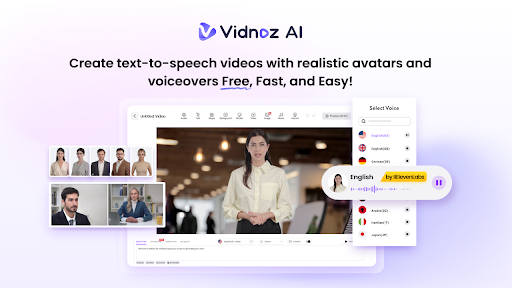
Video has become the dominant force in digital communication, reshaping how brands, creators, and businesses connect with their audiences. In an era where attention spans are shrinking and competition for visibility is intense, AI-powered video tools are transforming content creation by making it faster, smarter, and more accessible. AI video technology removes traditional barriers such as high production costs, technical expertise, and time constraints. Platforms like Vidnoz AI enable anyone to create professional, engaging videos with minimal effort. In this guide, we’ll give you a comprehensive overview of Vidnoz AI, helping you understand how this powerful tool streamlines the video creation process and makes producing high-quality videos effortless.
Part 1: What is Vidnoz AI?
Vidnoz AI is a web-based AI video creation platform that enables users to generate high-quality videos from a simple text prompt or any source material. It is certified with ISO/IEC 27001:2022 for Information Security Management. Offering over 1900 lifelike avatars, 2800 pre-designed video templates, and an extensive selection of 2000+ realistic AI voices across multiple languages and styles. With features like text-to-video, AI avatars, and brand customization, Vidnoz AI is ideal for marketing, e-learning, social media, training, and corporate communication — making video creation faster, scalable, and cost-effective. The standout feature of this program is that it offers an intuitive interface, which is best for non-tech and beginner users.
Part 2: Why Vidnoz AI Stands Out in AI Video Creation

Vidnoz AI’s amazing features and capabilities make it one of the top tools for video creation. Here are the top features of this program:
- Personalized Video Templates: Vidnoz AI offers over 2800+ AI video templates, allowing users to create various types of videos, including how-to guides, tutorials, product demos, marketing ads, social media reels, explainer videos, and educational content. Plus, each template in this program is fully customizable, giving users complete creative control over their videos.
- Lifelike AI Avatars: The program includes 1900+ realistic avatars, each with “Head Pose and Expression Control” features. The tool offers lifelike avatars of doctors, nurses, customer support, chiefs, teachers, and more. Further, users can do quick creations and generate a digital twin that can speak in over 40 languages using Avatar Lite, and Avatar Pro offers deeper customization features.
- Lip Sync AI Voices: It provides 2000+ natural-sounding AI voices in 140+ languages, each with unique accents and characteristics. All voices available on this program are powered by ElevenLabs, Microsoft, and Google. The lip-syncing AI voiceovers can perfectly match the text script with accurate lip movement, appropriate tones, and pitches, as well as gestures.
- Free Version: The standout feature of Vidnoz AI is that it also includes a free version, allowing users to create high-quality videos without spending a single penny. The free version of this tool includes 60 free credits, Avatar Lite, Text-to-Video, AI Voice Changer, Avatar Generator, and more.
- AI Video Wizard: With Vidnoz AI, users can generate professional-looking videos with a simple text prompt of any source material. AI Video Wizard makes the video creation process effortless and intuitive by automatically selecting suitable scenes, avatars, voiceovers, and visuals.
Part 3: Key Benefits and Drawbacks of Using Vidnoz AI
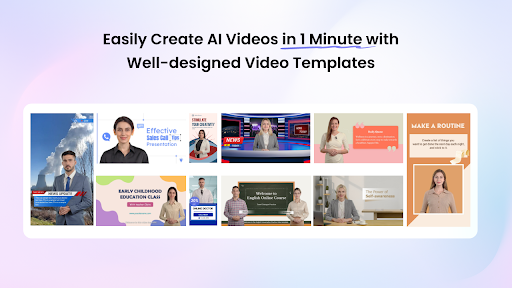
As mentioned earlier, Vidnoz AI provides a powerful and user-friendly approach to video creation, making it suitable for both beginners and professionals. However, the program also has some limitations. Here are the pros and cons of Vidnoz AI:
Benefits
- Vidnoz AI offers an intuitive and user-friendly interface, making it ideal for non-tech and beginner users. No professional help or editing experience required.
- Web-based tool, meaning no software downloading or installation is required. Users can access it from any device, including Android, iOS, Windows, and macOS.
- Easy AI Video Editor allows users to cut and trim footage, add animated effects, change backgrounds, and more.
- AI Image Generator enables users to create images in various styles, including realistic, flat, illustration, 3D cartoon, anime, and flat illustration.
Drawbacks
- Web-based tool, meaning it require stable and active internet connection to generate high-quality videos.
Part 4: How to Create Professional-Looking Videos With Vidnoz AI?
With this tool, users can generate high-quality and engaging videos with simple steps. Here is how to do it:
- Open your web browser and go to Vidnoz AI’s official site. Click on the “Create Video Now Free” button. Choose AI Avatar and Templates.

- Input your video prompt and select the AI voice. Users also have the option to choose the language of their video.

- Next, use the AI Video Editor to customize it according to your requirements. Users can change the background, add effects, and more.
- Finally, click on the “Generate” button to begin the video creation process. Within seconds, your video will be ready. Preview it and click on “Download” to import it in popular format.
Conclusion
Within just a few years, AI has completely transformed the video creation process, making it faster and more efficient. Vidnoz AI stands at the forefront of this revolution, empowering creators, marketers, educators, and businesses to produce professional-quality videos with minimal effort.

Annual inspections are a mandatory and essential part of private aircraft ownership. Required by aviation authorities, these inspections ensure that every aircraft meets safety, performance, and regulatory standards. While some owners may find the process time-consuming or expensive, annual inspections provide peace of mind and help avoid costly issues that might emerge later.
Understanding what to expect helps aircraft owners prepare, stay informed, and make the process as smooth as possible.
The Inspection Process: From Start to Finish
The annual inspection begins with a detailed review of maintenance records and logbooks. Technicians verify compliance with previous repairs, part replacements, and airworthiness directives. After the documentation review, the hands-on examination begins.
Technicians inspect the airframe, engine, avionics, landing gear, control systems, and electrical components. They look for wear, corrosion, leaks, or damage. This thorough process ensures the aircraft remains compliant with safety standards and is ready for continued operation.
Component Testing and System Evaluation
During the inspection, various systems undergo functional testing. This may include engine performance checks, avionics diagnostics, and structural evaluations. Operational tests verify that everything works correctly under standard and emergency conditions.
If issues arise, technicians document their findings and consult with the owner about recommended repairs. This transparency helps owners make informed decisions and prioritize the most critical tasks.
Parts Replacement and Repair Recommendations
It is common for annual inspections to reveal components that need replacement or service. Routine wear items such as filters, hoses, and seals often require updating. In some cases, more significant repairs may be necessary.
When parts must be replaced or a private aircraft needs gse repair and overhaul, sourcing components from a dependable aircraft supplier ensures that the aircraft receives high-quality, certified parts. Using reliable components is essential for maintaining safety and supporting long-term performance.
Documentation and Final Airworthiness Approval
Once all required repairs and testing are complete, the technician updates the aircraft’s logbooks and certifies its airworthiness. This documentation is essential for maintaining compliance and protecting the aircraft’s value.
The owner receives a summary of the inspection, including details about completed tasks and future recommendations. This clarity helps aircraft owners plan for upcoming maintenance needs.
Conclusion
The private airplane annual inspection is a vital process that safeguards your aircraft’s safety, reliability, and compliance. By understanding what to expect, aircraft owners can prepare effectively and make informed maintenance decisions. With thorough inspections, proper repairs, and high-quality components, your aircraft remains ready for safe and confident operation. Annual inspections are not just regulatory requirements—they are essential investments in your aircraft’s long-term performance and value.

When people scroll through their social media, they often skip the content if it is not in a language they understand. Video translation experts know that good translation does more than convert words; it makes the viewer feel seen and understood. The audience will find the videos interesting when they can watch the content without difficulty and they experience the message as culturally relevant. That’s why translating videos is key for driving engagement and meaningful marketing.
Industry professionals note that carefully localized video beyond basic subtitles can increase watch time and viewer interaction. People watch longer when they can follow the message smoothly. Translation brings that clarity and connection.
Translation also improves discoverability. When subtitles, tags, and metadata are translated, search engines can index them in more languages, making the content visible to entirely new audiences worldwide.
Now let’s look at industry by industry and what translated video content can actually do for brands.
Finance: Trust Through Comprehension
Talking about money in an unfamiliar language can create confusion fast. A financial video that’s perfectly clear in one country might feel confusing somewhere else. Across global markets, people trust messages delivered in their own language.
Translated videos on financial topics, like explainer clips on how a loan product works or short segments on saving strategies, give each audience group a chance to connect. They understand the numbers and also feel included and respected. That trust can influence big decisions.
Adapted scripts, not just word‑for‑word translation, can help the message land in ways that weren’t possible before. Financial institutions that take the time to localize and translate their videos see higher engagement and retention because the viewer gets it without second-guessing.
E‑Learning: Accessible Knowledge for All
Online learning platforms face a real challenge: making content accessible to everyone. Language can easily get in the way. Translated captions, dubbed narration, and culturally relevant examples remove that barrier and help learners feel included.
This is more than convenient. Students feel heard and respected when a lesson feels like it was designed with them in mind. That’s why brands that localize learning materials see higher completion rates and high learner retention.
The big impact comes from adopting subtitles and synchronized captioning so every learner, regardless of hearing ability or language, can understand and retain the content.
Healthcare: Clear Messages Save Lives
Healthcare is a field where misunderstanding isn’t just annoying; it can be dangerous. Patients dealing with health decisions need clear explanations. When a clinic or health brand posts a video about a treatment option or preventive care plan, translating it into local languages can make the difference between confusion and confidence.
Every phrase, idiom, and medical term should feel natural and reliable to viewers. Done well, this reduces misunderstandings and builds confidence when people watch videos about treatments or health guidance. That’s especially important when discussing care instructions or treatment benefits. Transforming a video so it feels local can dramatically reduce misinterpretation and increase engagement with critical health information.
Automotive: Gaining Ground with Global Audiences
Automotive is a global industry, but challenges arise when their brand narratives remain restricted to one particular language. Therefore, many global automotive companies published product demonstration videos that are translated and subtitled to reach customers in various global markets. Local audiences showed better engagement with the content when it was presented in their native language, which resulted in increased watch time and higher rates of dealership visits through localized calls to action.
Social Media Trends and Content Impact
Short video platforms are testing tools that automatically translate content into viewers’ languages, even matching lip movements. This makes videos feel familiar and authentic, no matter the language. That kind of tech signals where the industry is heading: messaging doesn’t have to feel foreign just because the language is different.
This does matter for brands. It changes how a viewer perceives authenticity. A tutorial in German that sounds naturally voiced will feel more genuine than someone who sounds awkward and forced. Many companies are now investing in media and entertainment translation services to ensure content resonates across global audiences without losing nuance or impact.
Real Business Outcomes
Across sectors, a translated video isn’t just another asset. It’s a gateway to new audiences. Translating the visuals and spoken script helps brands pull in viewers who might never have engaged with the original clip. More viewers means more shares, plus comments and interactions from people who feel directly addressed.
Second, it helps retention. People who understand the material are more likely to watch longer. That’s true whether it’s a quick ad or a 10‑minute explainer. Third, it boosts reputation. Nothing builds credibility quite like showing respect for a customer’s language and context.
Lastly, there’s the SEO side. When subtitles, titles, and descriptions are localized, search engines index them differently. That effect alone can significantly expand reach across platforms and markets.
Conclusion
Video translation is a powerful tool to make marketing content persuasive. When videos speak the language of their audience and reflect their cultural context, trust develops naturally. The brands that spend time translating their videos into different languages and cultural formats achieve two benefits. When viewers clearly understand the message, it leads to their ongoing engagement. The content feels natural, not forced. When people understand your message, they store and retain the information, and they return. That’s how a simple video can spark a conversation that resonates worldwide.
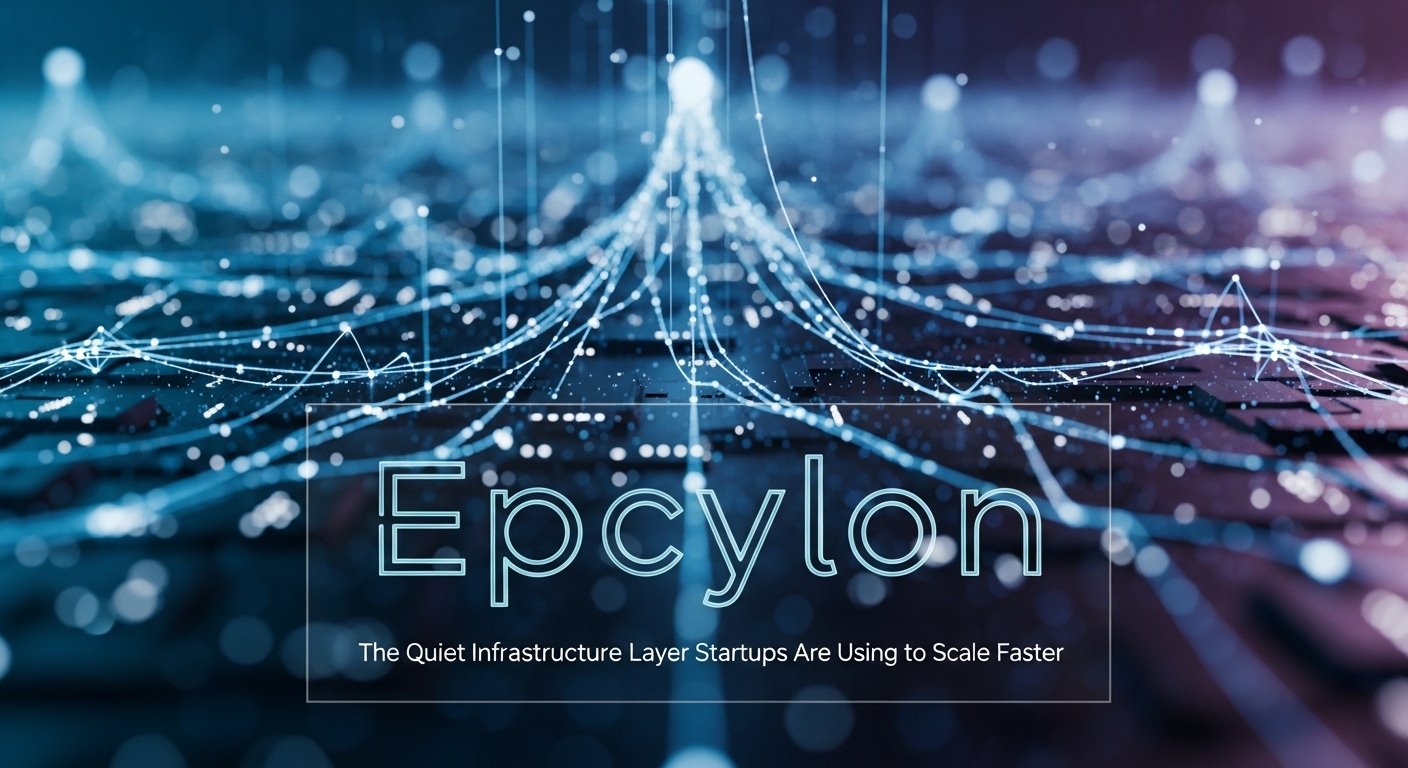
If you’ve built anything in tech an app, a marketplace, a SaaS platform, even a simple internal tool—you already know the uncomfortable truth: the product is rarely what breaks first. The cracks usually show up in the infrastructure underneath it. Performance slows down. Deployments become risky. Security becomes reactive. Costs climb in ways nobody can explain. And suddenly your team is spending more time keeping the lights on than building what customers actually pay for.
That’s where epcylon enters the conversation.
Epcylon isn’t just another buzzword floating around the startup ecosystem. It represents a practical shift in how modern teams think about digital foundations especially when they’re moving fast, operating lean, and scaling under pressure. For founders and tech leaders, the real value of epcylon isn’t theoretical. It’s operational: fewer bottlenecks, cleaner growth, better reliability, and a smoother path from MVP to mature platform.
Let’s unpack what epcylon means in real-world terms, why it matters right now, and how startups can use it to build faster without creating a fragile mess.
What Is Epcylon and Why Is It Showing Up Now?
At its core, epcylon is best understood as a modern infrastructure and operational framework—one designed for teams that want to scale product delivery without scaling chaos.
In the early days of a startup, speed is everything. You ship quickly, patch quickly, and iterate constantly. But the same speed that helps you win early can quietly create long-term technical debt. The bigger your user base grows, the more expensive every small shortcut becomes.
Epcylon is the response to that pattern. It’s the mindset (and often the architecture) that prioritizes scalable foundations early—without slowing down product velocity. Think of it as a way to build like a high-growth company from day one, even if you’re still a team of five.
This matters more today than ever because startups aren’t just competing on features. They’re competing on uptime, trust, security, and experience. Customers expect your product to feel stable, polished, and fast—even if you’re still pre-Series A.
The Real Problem Epcylon Solves: Growth Without Fragility
Most startups don’t fail because their engineers are bad. They fail because complexity arrives earlier than expected.
One day, your app has a few thousand users. The next month, a marketing push brings in 100,000. Suddenly:
-
Your database becomes a single point of failure
-
Your logging can’t tell you what went wrong
-
Your deployment pipeline becomes scary
-
Your cloud bill doubles without explanation
-
Your team starts firefighting instead of building
Epcylon solves this by pushing teams toward systems that are resilient by design. That doesn’t mean overengineering. It means designing with a simple assumption: if the product succeeds, the infrastructure must survive the success.
That is a very different way of thinking than “we’ll fix it later.”
Epcylon for Startup Founders: Why It’s Not Just a Developer Concern
Founders sometimes treat infrastructure as “engineering stuff,” something to worry about after traction. That’s understandable—but it’s also risky.
Because infrastructure decisions don’t stay technical. They become business decisions:
-
Reliability impacts retention
-
Speed impacts conversion
-
Security impacts partnerships
-
Cost impacts runway
-
Deployment velocity impacts innovation
In other words, epcylon isn’t only about technology. It’s about protecting the business from operational surprises.
A founder who understands epcylon isn’t trying to become an engineer. They’re trying to avoid the moment when their product is working, customers are paying, and the entire system collapses under its own weight.
How Epcylon Changes the Way Teams Build Products
The most important shift epcylon introduces is a move away from “build first, stabilize later.”
Instead, teams adopt a model that looks like this:
-
Build quickly
-
Standardize early
-
Automate relentlessly
-
Observe everything
-
Scale deliberately
This doesn’t require a massive platform team. It requires discipline and a clear strategy. The best epcylon-driven teams focus on repeatable systems: predictable deployments, consistent monitoring, clean architecture boundaries, and a culture of operational ownership.
When those systems are in place, shipping becomes less stressful. Engineers stop fearing production. New hires ramp faster. And founders can trust that growth won’t trigger a crisis.
Epcylon Architecture: What It Typically Includes
Epcylon is not one tool. It’s a collection of best practices and infrastructure patterns that work together. While implementations vary, most epcylon setups include a few key pillars:
A modern deployment workflow is one of the first signs. Instead of manually pushing code and hoping nothing breaks, teams use automated pipelines, testing gates, and rollback options.
Another pillar is observability. When something goes wrong, the team doesn’t guess. They know. Metrics, logs, and traces give visibility into what the system is doing and why.
Finally, epcylon emphasizes scalable data handling. That might mean smarter caching, separating read-heavy workloads, or moving toward event-driven patterns when needed.
The result is a platform that grows without becoming brittle.
A Practical View: Epcylon vs Traditional Startup Infrastructure
To make this clearer, here’s a simple comparison of what startups often do versus what epcylon encourages:
| Area | Traditional Early-Stage Approach | Epcylon Approach |
|---|---|---|
| Deployments | Manual, risky, inconsistent | Automated, repeatable, safe |
| Monitoring | Minimal, reactive | Built-in, proactive |
| Scaling | Add servers when things break | Design for growth early |
| Security | Patch after incidents | Secure-by-default practices |
| Cloud Costs | “We’ll optimize later” | Cost visibility from day one |
| Engineering Culture | Speed over stability | Speed with stability |
This table isn’t about judging early-stage teams. It’s about showing why epcylon is becoming a serious advantage—especially in competitive markets.
Why Epcylon Matters for SaaS, AI, and Marketplace Startups
Different startup models feel infrastructure pain in different ways.
For SaaS companies, epcylon becomes essential once enterprise conversations begin. Enterprise buyers ask uncomfortable questions: uptime guarantees, data handling, compliance readiness, audit trails. If your platform is shaky, those deals die.
For AI startups, epcylon matters because compute is expensive and unpredictable. Without strong operational systems, AI products can burn cash faster than they earn it. Epcylon helps teams track cost per request, optimize workloads, and scale responsibly.
For marketplaces, reliability is everything. When payments fail, listings break, or latency increases, users lose trust quickly. Epcylon supports stable transaction flows and reduces downtime during peak activity.
The common theme is simple: the moment customers depend on you, epcylon stops being optional.
Epcylon and the “Hidden Costs” That Kill Momentum
Startups don’t just pay for infrastructure in cloud bills. They pay in lost momentum.
A fragile system creates invisible taxes:
-
Engineers hesitate to deploy
-
Bugs take longer to diagnose
-
Incidents pull leaders into emergency mode
-
New features take longer because the system is tangled
-
Customers lose confidence
This is one of the biggest reasons epcylon is powerful. It protects velocity.
It’s easy to assume that adding structure slows teams down. In reality, the right structure speeds teams up because it reduces uncertainty. When developers trust the pipeline and trust production, they ship more often.
That is how epcylon quietly turns into a growth engine.
How to Adopt Epcylon Without Overengineering
Here’s the part founders and early-stage CTOs care about most: you can’t afford to build a “perfect” system.
The smartest epcylon adoption strategy is incremental. You don’t need to rewrite everything. You need to identify the highest-leverage improvements.
Usually, that starts with:
A stable deployment workflow. If deployments are stressful, everything else will feel unstable. Automating the release process and ensuring rollbacks are easy is a high-impact first step.
Next is observability. You don’t need an expensive platform. You need consistent metrics and logs that tell you what matters: uptime, latency, error rates, and cost trends.
Then comes data reliability. If your database is doing too much, you’ll eventually hit a wall. Epcylon encourages teams to reduce database pressure early through caching, read replicas, or smarter query design.
The point is not to build enterprise infrastructure. The point is to build startup infrastructure that survives success.
Epcylon as a Competitive Advantage in Hiring
Most people don’t realize this, but infrastructure maturity impacts hiring.
Strong engineers want to work in environments where they can do meaningful work, not spend their lives battling messy deployments and unclear systems. If your platform is chaotic, you’ll lose candidates who have options.
Epcylon signals something important: the company takes engineering seriously.
It doesn’t mean you need a huge DevOps team. It means you have a clear operational philosophy. That attracts talent, improves retention, and reduces onboarding time.
In a world where hiring is one of the hardest scaling problems, epcylon becomes a strategic advantage.
The Founder’s Perspective: What You Should Measure
If you’re a founder or business leader, you don’t need to learn every technical detail. But you should care about measurable signals that epcylon is working.
A company aligned with epcylon tends to improve on:
-
Deployment frequency (shipping becomes routine)
-
Incident frequency (fewer surprises)
-
Recovery time (issues are fixed faster)
-
Cost predictability (cloud bills stop spiking)
-
Customer trust (fewer outages, smoother experience)
These aren’t vanity metrics. They’re the operational health indicators of a business that can scale.
And when these improve, product growth becomes easier.
Where Epcylon Fits Into the Future of Startup Operations
The startup world is changing.
It’s no longer enough to “move fast and break things.” Customers don’t tolerate broken. Regulators don’t tolerate sloppy data handling. Partners don’t tolerate unreliable platforms. And competitors will happily replace you if you can’t deliver consistent performance.
Epcylon reflects the modern reality: startups must move fast and stay stable.
The companies that win in the next decade will not be the ones with the most features. They’ll be the ones who can ship quickly, scale reliably, and earn trust early.
That’s why epcylon is gaining traction. It’s not hype. It’s a survival strategy.
Conclusion: Epcylon Is How Startups Scale With Confidence
Startups live in a high-pressure environment where speed is necessary and mistakes are expensive. The traditional approach build now, fix later worked when customers had lower expectations and products were simpler.
That world is gone.
Epcylon represents a smarter way forward: build quickly, but build on foundations that won’t collapse when the product succeeds. It helps teams ship faster by reducing operational friction. It improves reliability without forcing enterprise-level complexity. And it gives founders confidence that growth won’t trigger a crisis.
If you’re building a modern startup, epcylon isn’t something to “consider someday.” It’s the quiet infrastructure mindset that makes everything else easier—product delivery, customer trust, cost control, and long-term scale.
-
 Technology2 months ago
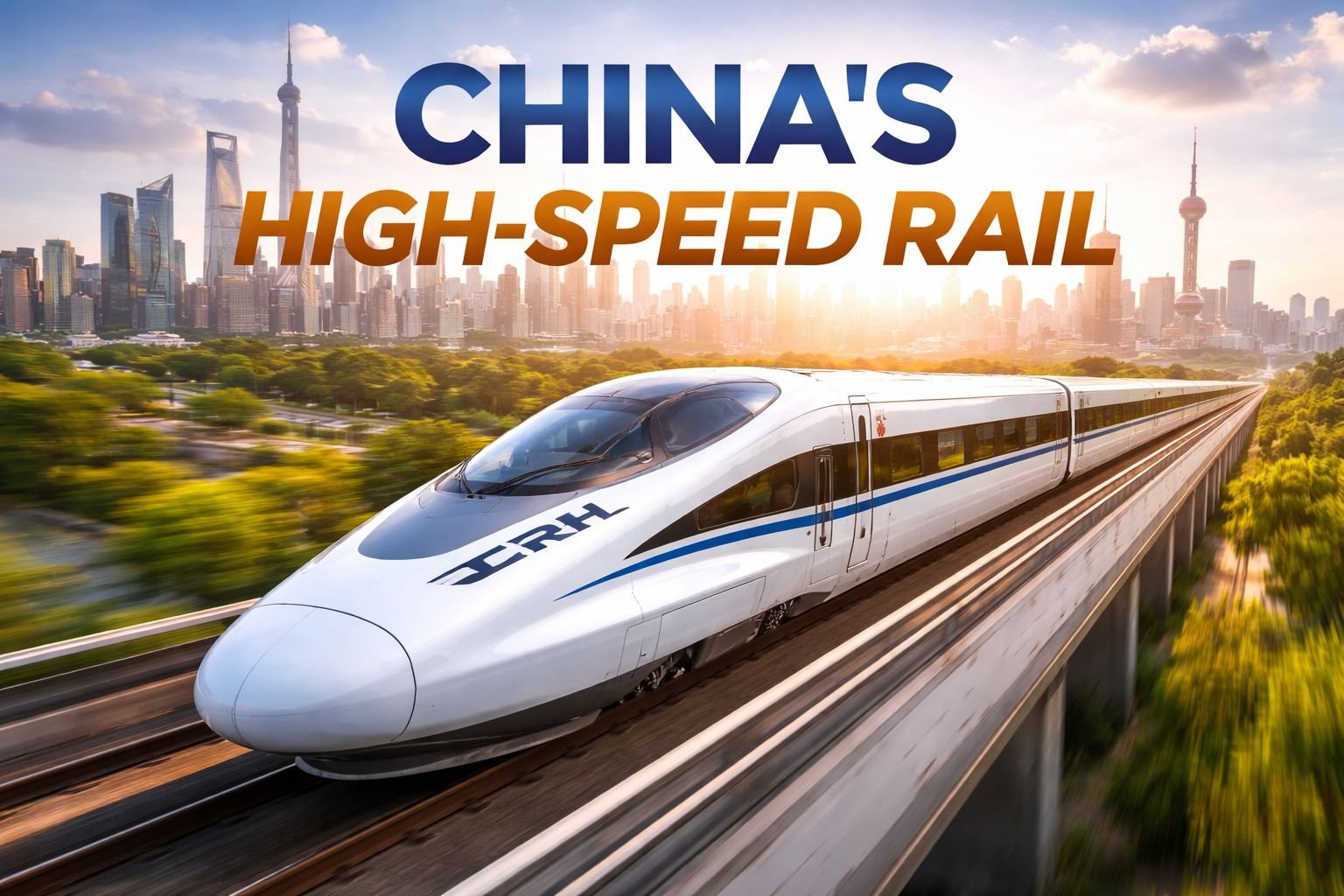
China’s High-Speed Rail: A Transformational Journey Through Speed, Innovation, and National Progress
-
 Business2 months ago
Top Reasons Stussy Clothing Dominates the Streetwear Scene
-
 Blog2 months ago
Unlocking the Mystery: What is Zosqk and Why It Matters
-

 Blog6 months ago
3 Amazing Multi-Purpose Phone Chargers You Need in 2026
-
 Technology3 months ago
Frehf Explained: Understanding Its Impact on Modern Culture
-

 Technology4 weeks ago
Epcylon: The Quiet Infrastructure Layer Startups Are Using to Scale Faster
-
 Blog3 months ago
Discovering Alaskan Seiti: The Untold Stories of This Unique Fish
-

 Technology2 months ago
Eschopper: A Smarter Approach to Scalable Online Commerce