
Blog
Unveiling Leonaarei: A Deep Dive into Its Rich History and Culture


Welcome to the intriguing world of Leonaarei, a name that has begun to resonate with many. What exactly is Leonaarei? Is it simply a brand, or is there something deeper at play? As we dive into its rich history and vibrant culture, you’ll discover why this unique term is capturing attention across various platforms. Whether you’re an avid digital explorer or just curious about emerging trends, Leonaarei promises to unfold layers of meaning that are both fascinating and relevant today. Join me on this journey as we unveil the essence of Leonaarei!
What is Leonaarei?
Leonaarei is more than just a name; it embodies a rich tapestry of ideas and influences. Originating from diverse cultural roots, Leonaarei has evolved into a symbol that resonates with creativity, individuality, and connection.
At its core, Leonaarei represents an exploration of identity in the digital age. It invites people to engage deeply with their personal narratives while fostering community among those who share similar passions and experiences. This makes Leonaarei both unique and relatable in today’s fast-paced world.
Why Is Leonaarei Becoming Popular?
Leonaarei is gaining traction for its unique appeal in a saturated digital landscape. As people search for distinctive identities online, this term resonates with those looking to stand out.
Social media platforms are buzzing about Leonaarei, creating a community around it. People are drawn to its vibrant essence and the stories behind it. This growing interest signifies a shift towards more personalized expressions in our interconnected world. The buzz continues to fuel curiosity and engagement, making Leonaarei increasingly popular among diverse audiences.
Leonaarei as a Digital Identity
Leonaarei is more than just a name; it represents a unique digital identity that resonates in the online landscape. As individuals and brands seek to carve out their own spaces, Leonaarei serves as a beacon for creativity and self-expression.
In an age where personal branding is vital, having a distinct identity like Leonaarei can set one apart. It invites exploration and connection, allowing users to engage with its essence across various platforms seamlessly.
Is Leonaarei a Brand, a Name, or a Concept?
Leonaarei transcends simple definitions. It embodies a unique fusion of identity and creativity, making it more than just a brand or name. As a concept, Leonaarei captures the essence of individuality in a digital age.
This multifaceted nature allows for versatility in its use. Whether as an artistic expression or an entrepreneurial venture, Leonaarei invites exploration. Its significance grows as people resonate with its spirit, shaping their experiences around this intriguing notion.
How Leonaarei Fits into Modern Online Culture
Leonaarei resonates deeply within modern online culture, reflecting the unique blend of identity and creativity that defines today’s internet landscape. It embodies a sense of individuality while also embracing community, making it an ideal representation for those seeking to stand out.
As digital spaces evolve, Leonaarei serves as a canvas for self-expression. Users incorporate it into their profiles, brands, and content strategies to forge connections with like-minded individuals across various platforms. Its versatility makes it both relevant and engaging in this dynamic environment.
SEO and Leonaarei: Why Search Engines Care
Search engines thrive on unique and engaging content. Leonaarei stands out as a keyword that sparks curiosity, drawing users into its rich narrative. By optimizing for Leonaarei, websites can enhance their visibility and attract diverse audiences seeking information.
Moreover, the distinctiveness of Leonaarei provides opportunities for niche targeting. This specificity can lead to better rankings in search results. When users input related queries, they find relevant resources centered around Leonaarii, driving traffic and engagement to optimized sites.
How to Use Leonaarei Naturally in Content
Integrating Leonaarei into your content can be seamless. Start by incorporating it in relevant discussions, whether you’re describing a project or sharing insights about culture. Use it as an example or case study to illustrate points that resonate with your audience.
Another effective method is weaving Leonaarei into storytelling. Share anecdotes or experiences where this term holds significance. This approach not only enriches the narrative but also makes the mention feel organic and engaging for readers, enhancing their understanding of its importance.
Who Might Benefit from Using Leonaarei?
Individuals in creative fields, such as artists and writers, could find great value in using Leonaarei. It offers a unique identity that sets them apart from the crowd.
Businesses aiming to create a distinct brand presence can also leverage Leonaarei effectively. Its intriguing connotation attracts attention and fosters engagement, making it an ideal choice for startups or those rebranding their image.
A Personal Example: Why Names Matter
When I first started my blog, choosing the name was crucial. I wanted something unique that resonated with me and my audience. After much thought, I landed on a name that reflected both my personality and the content’s essence.
Over time, I’ve realized how impactful a name can be in establishing brand identity. It shapes perception and sets expectations. A strong name like Leonaarei carries weight; it invites curiosity and fosters connection in an ever-evolving digital landscape.
Leonaarei and Creativity
Leonaarei sparks creativity like few other concepts. It invites individuals to explore their artistic instincts, pushing boundaries and challenging norms. With its unique flair, it encourages innovative thinking.
Artists, writers, and creators find inspiration within Leonaarei’s essence. The name resonates with a sense of freedom—a canvas for imagination. Whether through visual art or storytelling, Leonaarei serves as a catalyst for new ideas and expressions in an ever-evolving digital landscape.
Common Questions People Ask About Leonaarei
People are naturally curious about Leonaarei. Many ask what it actually represents and its origins. Is it a name, a brand, or something entirely different?
Others wonder how they can integrate Leonaarei into their lives. They seek guidance on using it in content creation or branding strategies. As interest grows, the questions become more nuanced, reflecting deeper explorations into its significance and impact in today’s digital landscape.
How to Build Around Leonaarei
Building around Leonaarei starts with understanding its essence. Identify the unique elements that define it, such as cultural significance and community engagement. Use these aspects to create a compelling narrative that resonates with your audience.
Next, leverage social platforms for promotion. Share stories, visuals, or discussions about Leonaarei to spark interest. Collaborate with influencers who align with its values to amplify your reach. These strategies will help you cultivate an engaged community centered on Leonaarei’s rich offerings.
Leonaarei in the Long Run
Leonaarei is poised to evolve over time, adapting to the shifting landscapes of culture and technology. As it gains recognition, its significance may deepen within various communities.
In the long run, Leonaarei could become synonymous with creativity and innovation. As people embrace this unique identity, it will likely inspire new ideas and collaborations across different fields. The journey of Leonaarei is just beginning, yet its potential impact on personal branding and digital presence is vast.
Final Thoughts on Leonaarei
Leonaarei represents more than just a name; it embodies a blend of history, culture, and modern identity. Its rising popularity showcases the power of digital connections in shaping our perceptions. As we navigate through this evolving landscape, embracing Leonaarei can be an enriching experience for individuals and brands alike. By weaving this unique term into content naturally, we can foster creativity and engagement in ways that resonate with audiences.
As you explore your own relationship with Leonaarei, whether as a creative outlet or a digital presence consider how it reflects your values and aspirations. While its significance continues to unfold, one thing is certain: Leonaarei is here to stay, offering endless possibilities for those who dare to embrace it fully.


Myth 1: Short-Haired Dogs Don’t Need Grooming
A common misconception is that short-haired dogs require little to no grooming. While they may not mat like long-haired breeds, they still shed, accumulate dirt, and benefit from brushing. Regular cleaning reduces allergens, prevents odors, and supports skin health. Even short coats can hide irritations or pests that grooming helps uncover.
Neglecting grooming can lead to issues similar to those faced by longer-coated dogs.
Myth 2: Dogs Only Need Grooming When They Look Dirty
Waiting for visible dirt or odors is a mistake. Grooming is preventive—not reactive. Dogs need regular brushing, ear cleaning, and nail trimming regardless of how clean they appear. Mats, dry skin, or hidden problems can develop quietly over time.
Establishing a routine ensures consistent comfort and reduces the likelihood of sudden issues.
Myth 3: Bathing Too Often Is Always Bad
While excessive bathing can cause dryness, the right products and frequency prevent these issues. Some dogs—especially those with allergies or active lifestyles—require more frequent baths. Using hydrating shampoos or veterinary-recommended products keeps skin healthy without stripping natural oils.
Understanding your dog’s unique needs is key.
Myth 4: Grooming Is Purely Cosmetic
Grooming contributes directly to health. Trimming nails, cleaning ears, and brushing coats prevent infections, injuries, and discomfort. Ignoring these tasks can lead to behavioral issues rooted in physical pain.
Professional pet grooming in Georgetown, TX, also identifies problems early, providing an additional layer of preventive care.
Myth 5: Professional Grooming Isn’t Necessary
Even diligent owners sometimes need professional support. Groomers are trained to safely handle difficult mats, tricky nail trims, or sensitive areas. They also have specialized tools that enhance safety and comfort.
Balanced care includes both home grooming and occasional professional help.
Conclusion
Dog grooming myths can lead to overlooked care and unnecessary discomfort. Understanding the truth behind these misconceptions ensures your dog receives the consistent, preventive care they deserve. With accurate information and a proactive approach, you can help your dog stay healthy, happy, and comfortable year-round.
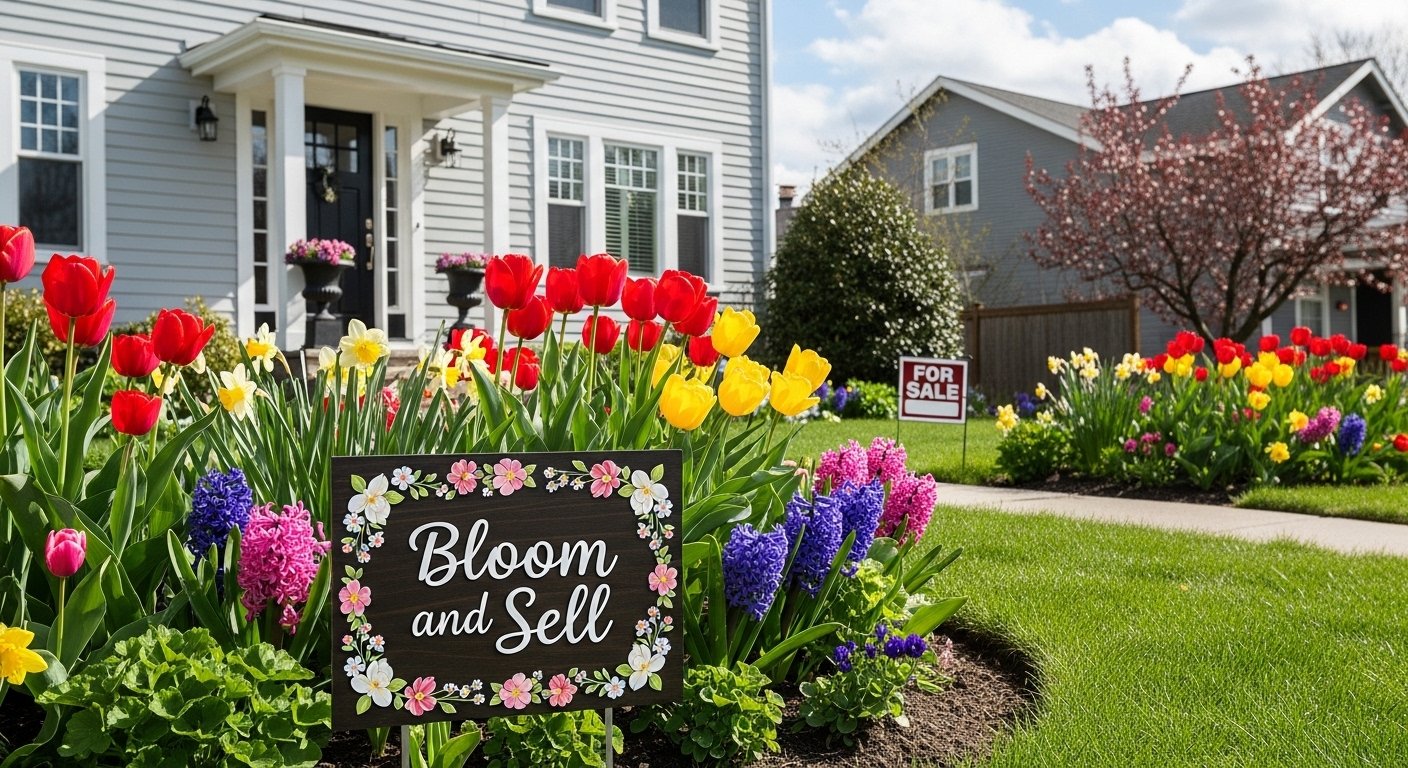
Spring is the season of renewal, and for homeowners preparing to sell, it’s the perfect time to showcase a property at its very best. Longer days, warmer weather, and blooming landscapes create an inviting atmosphere that can make buyers fall in love before they even step inside. In a competitive real estate market, curb appeal is more than aesthetics—it’s a powerful tool that can elevate your home’s value and attract serious offers. Here’s how to maximize your home’s exterior charm this spring.
First Impressions Matter
Buyers often decide within seconds whether a home feels right. The exterior sets the tone, and a well‑maintained façade signals care and pride of ownership. From manicured lawns to freshly painted doors, every detail contributes to that crucial first impression. In spring, nature lends a helping hand, but it’s up to you to harness it strategically.
Refresh Landscaping
Spring blooms are your secret weapon. Plant seasonal flowers along walkways, add vibrant potted plants near the entryway, and ensure hedges are neatly trimmed. A lush, green lawn instantly conveys vitality. Consider adding mulch to garden beds for a polished look. These simple touches create a welcoming environment that resonates with buyers seeking a fresh start.
Upgrade the Entryway
The front door is the focal point of your home’s exterior. A fresh coat of paint in a bold yet tasteful color can make it pop. Replace outdated hardware with modern fixtures, and ensure lighting is warm and inviting. Adding a stylish doormat or seasonal wreath provides a finishing touch that feels both personal and professional.
Clean and Repair
Curb appeal isn’t just about beauty—it’s about maintenance. Power‑wash driveways, sidewalks, and siding to remove dirt and grime. Repair cracked pathways, replace broken shingles, and clean gutters. Buyers notice these details, and addressing them upfront prevents concerns about hidden issues. A home that looks well cared for inspires confidence.
Highlight Outdoor Living Spaces
Spring is synonymous with outdoor enjoyment. Stage patios, decks, or porches with comfortable seating and tasteful décor. Show buyers how they can entertain, relax, or dine al fresco. Even small spaces can be transformed into cozy retreats with thoughtful staging. Outdoor living areas add lifestyle value that buyers increasingly prioritize.
Lighting for Ambiance
As days grow longer, natural light enhances curb appeal, but don’t overlook evening showings. Install pathway lights, accent lighting for landscaping, or lanterns by the entryway. A well‑lit exterior feels safe, welcoming, and elegant. Lighting also highlights architectural features and landscaping, ensuring your home shines at any hour.
Seasonal Touches
Spring offers unique opportunities to incorporate seasonal charm. Fresh flowers in window boxes, pastel accents, or subtle Easter décor can make your home feel current and inviting. Keep it tasteful—buyers should see potential, not personal themes. Seasonal touches should enhance, not overwhelm, the property’s natural appeal.
The Role of Pricing
While curb appeal draws buyers in, pricing determines whether they make an offer. Setting the right price requires strategy and market insight. Learning how to get a guaranteed offer on your home can provide peace of mind, but it’s equally important to understand local market trends. A beautifully staged exterior paired with a competitive price creates the perfect combination for a swift, successful sale.
Partnering with Professionals
Premium results often require professional expertise. Consider hiring a landscaper, painter, or staging consultant to elevate your home’s presentation. Real estate agents can provide guidance on which improvements yield the highest return. Investing in professional support ensures your home stands out in a crowded spring market.
Final Thoughts
Spring is the season of opportunity for home sellers. By focusing on curb appeal, you create an emotional connection that inspires buyers to envision their future in your property. From blooming gardens to refreshed entryways, every detail contributes to a narrative of care, renewal, and possibility. Pair these efforts with smart pricing strategies, and you’ll position your home for a successful sale.
In the end, curb appeal is more than cosmetic—it’s a reflection of value, lifestyle, and potential. This spring, let your home bloom and sell, capturing the attention of buyers ready to embrace their own fresh start.
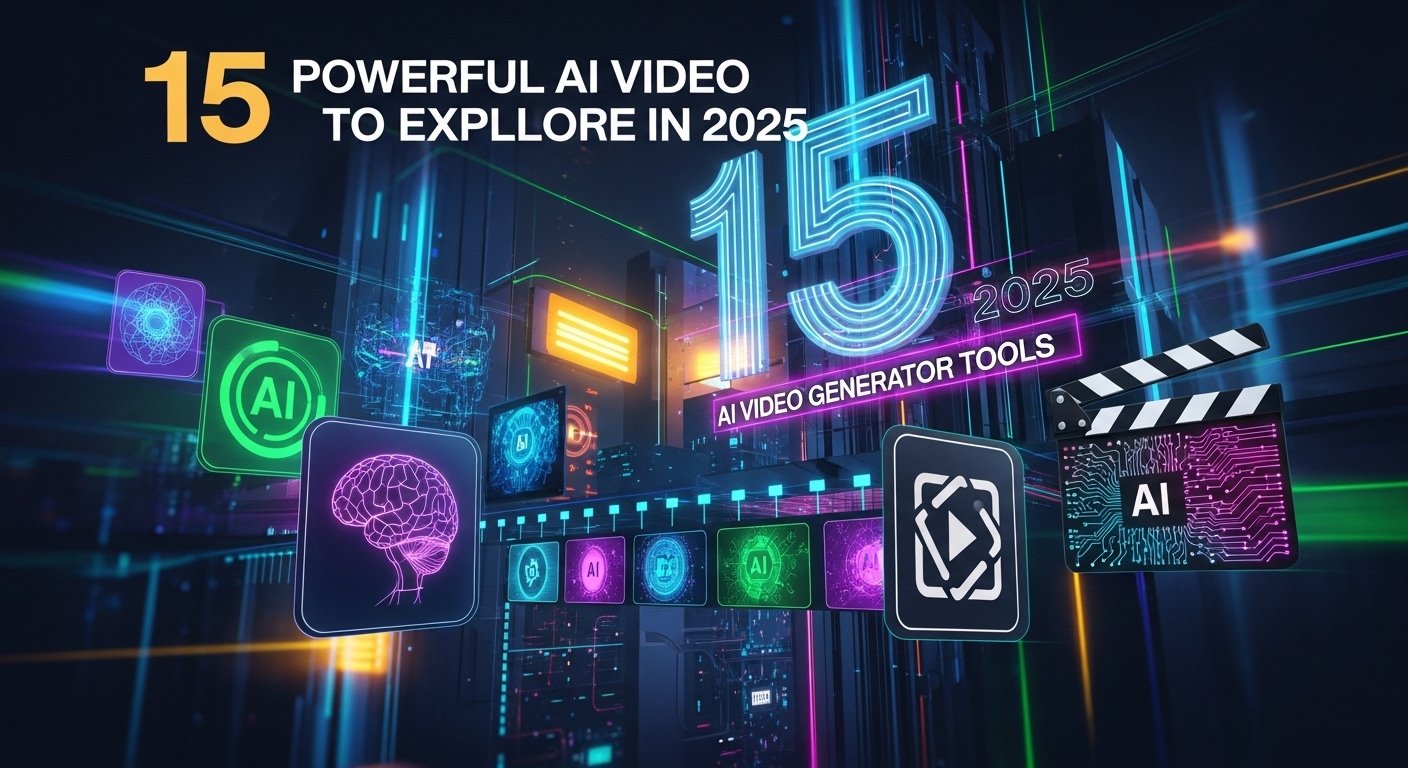
Video production is changing rapidly. With the rise of artificial intelligence, creating high-quality videos no longer depends on expensive gear, technical expertise, or large production teams.
AI-driven video tools are now widely available, budget-friendly, and highly capable. Whether you’re a marketer, educator, entrepreneur, or content creator, modern AI video generator platforms help you:
Below is a curated list of 15 top AI video maker tools to explore in 2025, starting with one of the most versatile platforms available today.

1. VidSpotAI — A Complete AI Video Creation Solution
VidSpotAI ranks at the top due to its all-in-one approach to video creation.
Rather than focusing on a single feature, it combines multiple AI technologies into one platform:
This versatility makes it suitable for:
While many tools specialize in a single area such as avatars or short clips, VidSpotAI brings everything together into one system.
For creators and teams aiming to generate AI video(生成ai 動画) content at scale, it offers one of the most forward-looking solutions in 2025.
D-ID’s Creative Reality™ Studio focuses on transforming static images into dynamic video presentations.
With D-ID, you can:
Best for: Avatar-based and image-driven animations
Pictory is designed to convert written and long-form content into short, engaging videos.
Key features include:
Best for: Blog-to-video workflows and repurposing content
FlexClip is a beginner-friendly AI video creator built for quick and simple content production.
It offers:
Best for: Social media content and quick explainers
Synthesia focuses on creating videos with AI-generated presenters.
Users can:
Best for: Business training and avatar-led presentations
DeepBrain AI provides realistic digital presenters along with automation features.
Recent updates include:
Best for: Educational and talking-head videos
Designs.ai is tailored for branding and motion graphics.
It enables users to:
Best for: Startups and branding-focused projects
Lumen5 transforms written articles into videos with minimal effort.
Simply input text, and the platform generates:
Best for: Content marketing and blog-to-video conversion
InVideo offers cloud-based editing enhanced with AI features.
It includes:
Best for: Marketing teams and collaborative workflows
Krock.io is built for AI-driven advertising and campaign optimization.
It helps users:
Best for: Paid advertising strategies
Runway provides advanced AI-powered video editing tools.
Features include:
Best for: Creative professionals and experimental projects
Voicera focuses on turning scripts into narrated videos using AI voice technology.
Best for: Educational content and voiceover-based videos
Biteable offers simple tools for creating marketing videos quickly.
It includes:
Best for: Small businesses and quick marketing content
Animoto enables drag-and-drop video creation with AI enhancements.
Recent features include:
Best for: Social media marketers
Vimeo Create automates several aspects of video production, including:
Best for: Simple slideshow-style videos
Kamua is designed for scalable and personalized video production.
It allows:
Best for: High-volume marketing teams
How AI Video Creation Is Evolving
AI video tools are redefining how stories are told:
The biggest shift is accessibility.
What once required professional studios can now be done directly from a browser.
What’s Next for AI Video Generators
Looking ahead, several trends are shaping the future:
With Video generation AI free(動画生成ai 無料) tools becoming more common, individuals and businesses can create content faster, reduce costs, and unlock new creative possibilities without heavy investment.
The right AI video generator depends on your specific goals.
AI is no longer just an emerging trend in video production. It is quickly becoming the standard.
The tools are available.
The technology is ready.
Now it’s your turn to create.
Your idea is the starting point.
AI is the tool.
Press record and bring it to life.
-
 Technology2 months ago
China’s High-Speed Rail: A Transformational Journey Through Speed, Innovation, and National Progress
-
 Business2 months ago
Top Reasons Stussy Clothing Dominates the Streetwear Scene
-
 Blog2 months ago
Unlocking the Mystery: What is Zosqk and Why It Matters
-

 Blog6 months ago
3 Amazing Multi-Purpose Phone Chargers You Need in 2026
-
 Technology3 months ago
Frehf Explained: Understanding Its Impact on Modern Culture
-

 Technology1 month ago
Epcylon: The Quiet Infrastructure Layer Startups Are Using to Scale Faster
-
 Blog3 months ago
Discovering Alaskan Seiti: The Untold Stories of This Unique Fish
-

 Technology2 months ago
Eschopper: A Smarter Approach to Scalable Online Commerce