
Business
Cavazaque: A Modern Framework for Startup Success


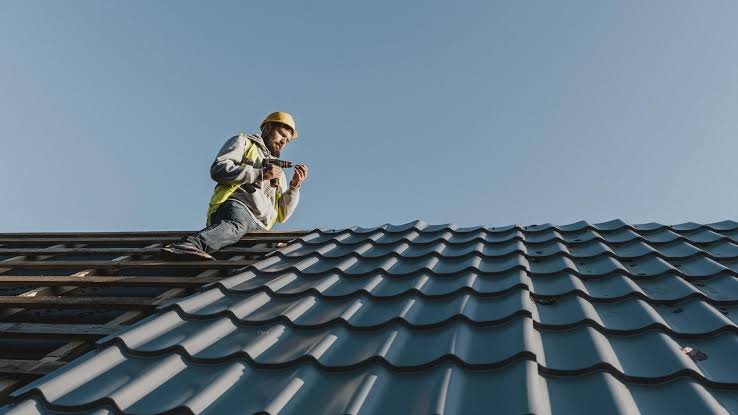
Your roof does more than cap off your house. It shields your family, your belongings, and your peace of mind from everything the sky throws at you — hail, wind, scorching sun, and relentless rain. Yet most homeowners don’t think about their roof until something goes wrong: a water stain blooming on the ceiling, shingles scattered across the lawn after a storm, or a spike in energy bills that hints at poor insulation.
By then, small problems have often grown into expensive ones. That’s why understanding the real value of professional roofing services matters, whether you’re dealing with an emergency repair or planning a full replacement.
This post breaks down what quality roofing work actually involves, the warning signs that tell you it’s time to call in a professional, and how choosing experienced, licensed experts can save you money, stress, and time in the long run.
What Does Professional Roofing Work Actually Involve?
Roofing isn’t a one-size-fits-all job. Depending on the age of your home, your climate, and the materials used, the right approach can vary dramatically. A thorough roofing job typically includes:
- Inspection and assessment: Identifying existing damage, weak spots, and potential future issues before they escalate.
- Material selection: Recommending shingles, metal panels, tile, or flat roofing systems suited to your home’s structure and local weather patterns.
- Proper installation or repair: Following manufacturer specifications and local building codes to ensure durability and safety.
- Ventilation and insulation checks: Poor airflow in your attic can shorten the lifespan of your roof and drive up energy costs.
- Cleanup and final walkthrough: A reputable team leaves your property spotless and walks you through the completed work.
Skipping any of these steps — or hiring someone who cuts corners — often leads to leaks, mold growth, and premature roof failure. That’s a costly mistake many homeowners only discover after the damage is done.
Signs You Need to Call a Roofing Professional
Not every roofing issue is obvious from the ground. Some of the most damaging problems hide in plain sight until they’ve caused significant structural harm. Watch for these red flags:
Missing, Cracked, or Curling Shingles
Shingles protect the layers beneath them. When they crack, curl at the edges, or go missing entirely, your roof’s underlayment becomes exposed to moisture and UV damage.
Water Stains or Discoloration on Ceilings
A brown ring on your ceiling almost always points to a leak somewhere above. Ignoring it allows water to seep further into insulation, drywall, and framing.
Granules Collecting in Gutters
Asphalt shingles shed granules as they age. If you’re finding a buildup of these gritty particles in your gutters, it’s often a sign your roof is nearing the end of its useful life.
Sagging Rooflines
A roof that dips or sags in the middle usually signals structural stress, often from trapped moisture or weakened decking underneath.
Rising Energy Bills
If your heating and cooling costs have crept up without an obvious explanation, poor roof ventilation or insulation could be the culprit.
Catching these signs early gives you more options and typically costs far less than waiting for a full collapse or interior water damage.
Repair or Replace? How to Decide
One of the most common questions homeowners ask is whether their roof needs a patch job or a full replacement. A few factors help answer that:
Choose repair if your roof is less than 15 years old, the damage is localized to a small area, and the rest of the roofing material is in good condition.
Choose replacement if your roof is approaching or past its expected lifespan (typically 20–25 years for asphalt shingles), damage is widespread, or you’ve had recurring leaks despite previous repairs.
A trustworthy roofing team won’t push you toward a full replacement unless it’s genuinely necessary. Instead, they’ll walk you through the pros and cons of each option based on your home’s specific condition and your budget.
The Real Cost of Delaying Roofing Repairs
It’s tempting to put off roof repairs, especially when the damage seems minor. But roofs rarely get better on their own. A small leak today can mean rotted decking, damaged insulation, and even electrical hazards tomorrow.
Delaying repairs also tends to shrink your options. What could have been a simple shingle replacement can turn into a full tear-off if water has compromised the roof deck. And insurance companies are far more likely to deny claims related to damage caused by prolonged neglect rather than sudden storm events.
Reliable roofers can help homeowners catch these issues early, saving thousands in avoidable repair costs down the road. That’s the real value of regular inspections and prompt attention to warning signs — a few hundred dollars spent now can prevent a five-figure headache later.
What to Look for When Hiring a Roofing Company
Not all roofing contractors deliver the same level of craftsmanship or accountability. Before signing a contract, make sure the company you choose offers:
- Proper licensing and insurance: This protects you from liability if something goes wrong during the project.
- Local experience: A contractor familiar with your region’s climate and building codes will anticipate issues that out-of-area companies might miss.
- Written estimates and warranties: Clear documentation protects you and sets expectations for the scope of work.
- Strong reviews and references: Past client experiences often reveal more than a polished sales pitch ever could.
- Transparent communication: You should never feel pressured into a decision or left in the dark about project timelines and costs.
Taking the time to vet a roofing company upfront pays off in both the quality of the work and your overall peace of mind.
Protecting Your Home Starts From the Top
Your roof works quietly in the background until it doesn’t, and by then, the stakes are much higher. Scheduling regular inspections, responding quickly to warning signs, and partnering with an experienced roofing team are some of the smartest investments you can make as a homeowner.
Whether you’re dealing with a minor repair or considering a full roof replacement, don’t wait for a small issue to become a major one. Reach out to a trusted local roofing team today to schedule an inspection and get a clear, honest assessment of your roof’s condition.
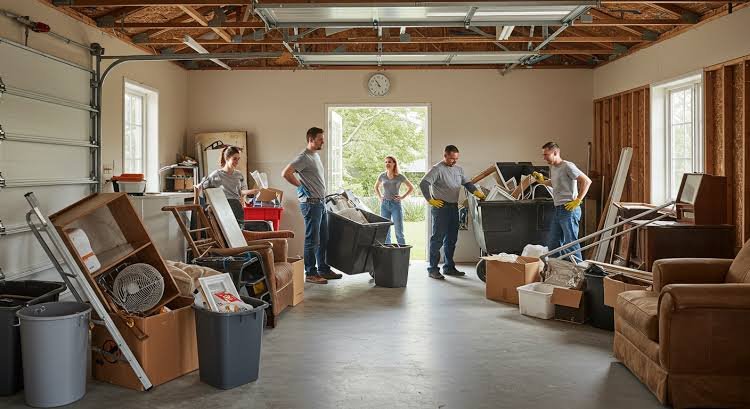
Clutter has a sneaky way of taking over. One day it’s a single box in the garage, and the next, you’re tripping over furniture you forgot you owned. If that sounds familiar, you’re not alone — and the good news is that getting rid of it doesn’t have to be a weekend-long nightmare.
Hauling old furniture, broken appliances, or years of accumulated junk to the dump is exhausting, time-consuming, and often requires equipment most homeowners simply don’t have. Renting a truck, finding help to lift heavy items, and figuring out where everything actually goes can turn a simple cleanup into an all-day ordeal.
That’s where professional junk haulers come in. Instead of spending your weekend wrestling with a mattress or an old couch, you can have a team show up, clear it out, and dispose of it responsibly — all in a fraction of the time it would take you to do it alone. This post breaks down what these services actually do, why they’re worth considering, and how to know when it’s time to call in the pros.
What Does a Junk Removal Service Actually Do?
At its core, this type of service handles the heavy lifting (literally) of clearing unwanted items from your home, garage, office, or yard. Teams arrive with trucks, tools, and the manpower needed to remove large or bulky items that would otherwise be a hassle to move on your own.
Most companies handle a wide range of items, including:
- Old furniture and mattresses
- Broken or outdated appliances
- Yard waste and debris
- Construction leftovers from renovation projects
- General household clutter
- Electronics and e-waste
Rather than leaving you to figure out local disposal rules or make multiple trips to a landfill, the crew takes care of sorting, hauling, and disposing of everything properly — including donating or recycling items whenever possible.
Why Homeowners Are Turning to Professional Haulers
It Saves You Time and Energy
Let’s be honest — nobody wants to spend their Saturday lifting a broken refrigerator into the back of a truck. Professional teams get the job done quickly, often clearing out an entire garage or basement in the time it would take you to load just a few items yourself.
It’s Safer Than DIY Hauling
Heavy furniture, sharp debris, and awkwardly shaped items can lead to injury if you’re not careful. Trained crews know how to lift and move items safely, reducing the risk of strains, cuts, or accidents that can happen when untrained hands try to tackle bulky loads.
It’s Better for the Environment
Responsible companies prioritize recycling and donation over simply dumping everything in a landfill. This means your old couch might get a second life with a local charity instead of sitting in a heap for decades.
It Makes Big Projects Manageable
Whether you’re renovating a kitchen, cleaning out a deceased relative’s estate, or prepping a home for sale, having a reliable team to clear debris quickly keeps your project moving instead of stalling out under piles of unwanted material.
Signs It’s Time to Call for Help
Not sure if you actually need a professional crew? Here are a few common situations where it makes sense:
- You’re moving and don’t want to pack items you no longer need.
- You just finished a renovation and have leftover debris piling up.
- You’re downsizing and need to clear out furniture quickly.
- Your garage or basement has become a storage black hole.
- You’re preparing a property for sale and need it to look spotless.
If any of these sound familiar, it might be time to stop putting it off and get the clutter handled once and for all.
What to Expect When You Book a Pickup
Most companies make the process refreshingly simple. Typically, it looks something like this:
- Get a quote — Many companies offer free, no-obligation estimates based on the volume or type of items you need removed.
- Schedule a pickup time — Choose a date and time window that works for your schedule.
- Point and done — The crew arrives, you show them what needs to go, and they handle the lifting, loading, and hauling.
- Responsible disposal — Items are sorted for donation, recycling, or proper disposal, so you’re not left wondering where everything ends up.
This straightforward process is a big part of why so many homeowners prefer hiring a crew instead of tackling the job solo.
Cleaning Out More Than Just Clutter
Sometimes the hardest part of clearing space isn’t the physical labor — it’s knowing where to even start. Reliable, fast, and affordable Junk Removal services can take that overwhelming to-do list and shrink it down to a single phone call. Instead of spending days sorting through what to keep, donate, or toss, a professional crew can walk through your space, help you make quick decisions, and have everything hauled away before the day is done.
This is especially valuable for larger jobs like estate cleanouts, hoarding situations, or post-renovation messes, where the sheer volume of material can feel paralyzing. Having an experienced team guide the process takes the guesswork — and the backbreaking labor — off your plate entirely.
Making the Most of a Clutter-Free Space
Once the junk is gone, the transformation can be surprising. A cluttered garage becomes usable storage again. A cramped basement turns into a functional living space. An overstuffed closet finally has room to breathe. Clearing out unwanted items doesn’t just tidy up your home — it can genuinely improve how you use and enjoy your space every day.
Many homeowners find that once they experience a decluttered home, they’re far more motivated to keep it that way. Scheduling periodic pickups, especially after big life events like a move or renovation, can help prevent clutter from building back up over time.
Ready to Reclaim Your Space?
Clutter doesn’t clear itself, and chances are, that pile in the garage isn’t getting any smaller on its own. Hiring a professional crew takes the stress, time, and physical strain out of the equation, leaving you with a cleaner, more functional space without the weekend-long hassle.
If you’ve been putting off a cleanout because the thought of hauling everything yourself feels overwhelming, consider letting the professionals handle it instead. A quick phone call could be all it takes to finally get your space back.
Frequently Asked Questions
How much does professional junk hauling typically cost?
Pricing usually depends on the volume of items being removed, with many companies offering free quotes upfront so there are no surprises.
What items can’t be picked up?
Most companies can’t take hazardous materials like chemicals, paint, or asbestos, though they can usually guide you toward proper disposal options for those items.
Do I need to be home during the pickup?
Many services simply require you to point out what needs to go — some even offer curbside pickup options if you’re unable to be present.
Will my old items end up in a landfill?
Reputable companies prioritize donating and recycling usable items, so a good portion of what’s removed gets a second life instead of ending up in a landfill.

Albany’s backyards have a short window to shine. Between the humid summers and snowy winters, homeowners want outdoor spaces that can handle it all without losing their charm. That’s exactly why pavers have become the go-to choice for patios, walkways, and driveways across the Capital Region.
Unlike poured concrete, which cracks and stains over time, pavers offer a durable, customizable surface that can be repaired piece by piece instead of torn out entirely. They come in dozens of colors, shapes, and textures, meaning your outdoor space can look as unique as your home itself. And when installed correctly, a paver surface can last decades with minimal upkeep.
If you’ve been dreaming about a backyard that works as hard as it looks good, this post walks through what makes pavers such a smart investment, what the installation process actually looks like, and how to get the most value out of your project.
What Makes Pavers a Better Choice Than Concrete or Asphalt?
Concrete and asphalt are cheaper upfront, but they come with trade-offs that show up fast in New York’s climate. Freeze-thaw cycles cause slabs to crack, and once that happens, your only real fix is to replace the whole section.
Pavers solve this problem by design. Each paver is an individual unit, so if one shifts or cracks, it can be popped out and replaced without disturbing the rest of the surface. That modularity also means pavers naturally flex with ground movement instead of fighting against it, which is a huge advantage during Albany’s harsh winters.
There’s also the aesthetic factor. Pavers come in a wide range of materials, including:
- Natural stone — for a timeless, high-end look
- Brick pavers — ideal for classic, traditional home styles
- Concrete pavers — budget-friendly with endless color and pattern options
- Permeable pavers — designed to reduce runoff and manage stormwater
Whatever style your home has, there’s a paver option to match it.
How Does the Paver Installation Process Work?
A quality paver installation isn’t just about laying stones in a pattern. The process involves several critical steps, and skipping any of them can lead to shifting, sinking, or drainage issues down the road.
Site Preparation and Excavation
The area is excavated to a depth that accounts for the base material, sand bedding, and paver thickness. Proper grading at this stage ensures water flows away from your home instead of pooling on the surface.
Base Installation
A compacted layer of crushed stone forms the foundation. This base needs to be compacted in multiple lifts to prevent settling later. Skimping on this step is one of the most common reasons DIY paver projects fail within a few years.
Sand Bedding and Paver Placement
A thin layer of sand is screeded evenly across the base, giving installers a level surface to set each paver. The pavers are then laid according to the chosen pattern, whether that’s herringbone, running bond, or a custom design.
Edge Restraints and Joint Sand
Edge restraints lock the perimeter in place, preventing pavers from spreading outward over time. Polymeric sand is swept into the joints and activated with water, which hardens to deter weeds and ants while keeping everything locked together.
What Should You Look for When Choosing a Paver Installer?
Not all installations are created equal, and the quality of your project depends heavily on the experience of the team doing the work. Homeowners searching for a reliable paver installer in Albany should prioritize experience with the region’s specific soil and climate conditions rather than just the lowest bid they can find. Companies familiar with local frost depths and drainage requirements are far less likely to deliver a patio that heaves or shifts after its first winter.
When vetting a contractor, ask about:
- How deep they excavate and what base materials they use
- Whether they offer a workmanship warranty
- Examples of past projects in your specific neighborhood or climate zone
- How they handle drainage planning around your home’s foundation
A contractor who can answer these questions confidently is far more likely to deliver a patio that holds up for years.
Popular Paver Projects for Albany Homes
Pavers aren’t limited to patios. Homeowners across the Capital Region are using them to upgrade multiple areas of their property:
Outdoor Kitchens: A paver base provides a stable, attractive foundation for grills, countertops, and seating areas, turning your backyard into a true extension of your home.
Walkways and Driveways: Pavers add curb appeal while standing up to daily vehicle and foot traffic far better than plain concrete.
Pool Decks: Many paver options are slip-resistant and stay cooler underfoot than concrete, making them ideal for poolside areas.
Retaining Walls: Paired with hardscaping, paver-based retaining walls can solve drainage issues while adding dimension to sloped yards.
How Much Does a Paver Patio Cost?
Costs vary depending on the size of the project, the type of paver chosen, and the complexity of the design. Natural stone tends to sit at the higher end of the price range, while concrete pavers offer a more budget-friendly option without sacrificing durability.
Choose natural stone if you want a premium look that increases resale value. Choose concrete pavers if you’re working with a tighter budget but still want long-term durability. Either way, investing in proper installation up front will save you money on repairs down the road.
Give Your Outdoor Space the Upgrade It Deserves
A well-installed paver patio does more than boost curb appeal. It creates a durable, low-maintenance space where you can actually enjoy your backyard, whether that’s hosting a summer barbecue or relaxing by an outdoor fire feature. With the right materials and a properly prepared base, pavers can transform your outdoor living space for decades to come.
If you’re ready to start planning your project, reach out to discuss design options, material choices, and timelines that fit your vision for your backyard.
-

 Blog1 year ago
3 Amazing Multi-Purpose Phone Chargers You Need in 2026
-
 Technology9 months ago
China’s High-Speed Rail: A Transformational Journey Through Speed, Innovation, and National Progress
-

 Blog9 months ago
Brandi Loge: Everything You Need to Know About the Rising Brand
-
 Business9 months ago
Top Reasons Stussy Clothing Dominates the Streetwear Scene
-
 Blog10 months ago
Lustmap24: Your Ultimate Guide to Adult Connections
-
 Technology10 months ago
Frehf Explained: Understanding Its Impact on Modern Culture
-
 Blog10 months ago
AC Milan vs SSC Bari Timeline: Complete Match History and Key Moments
-
 Blog9 months ago
Unlocking the Mystery: What is Zosqk and Why It Matters