Blog
3 Amazing Multi-Purpose Phone Chargers You Need in 2026


In 2026, the way we power our devices has shifted from tangled cables to sleek, multi-device wireless charging stations that keep your desk or nightstand organized and cable-free. Whether you are charging your phone, smartwatch, or earbuds, a 3-in-1 charger is one of the most practical accessories you can own.
Let’s explore three top-tier multi-purpose chargers that deliver convenience, performance, and style.
1. MagBak MultiCharger — Premium 3-in-1 Charging Hub
The MagBak MultiCharger is a beautifully engineered wireless charging station that brings premium build quality and intelligent design to your daily charge routine.
Why It’s Worth It
- Charge your phone, watch, and earbuds at once without messy cables
- Optimized for fast charging for iPhone and compatible devices
- Minimal and durable build with excellent heat management
- Perfect viewing angle for FaceTime, videos, or iOS StandBy
- Works with MagBak cases, MagSafe iPhones, Samsung phones with MagSafe cases, Qi2 devices, Apple and Samsung Watches, and wireless earbuds
Whether on your nightstand or desk, the MagBak MultiCharger keeps your tech streamlined and charged in style.
Check it out: MagBak MultiCharger
2. UGREEN MagFlow Qi2 3-in-1 Charger — Balanced Power and Travel-Ready Design
If you want a charger that works well on a desk or in a travel bag, the UGREEN MagFlow Qi2 3-in-1 Charger delivers excellent performance with modern standards.
Standout Features
- Certified Qi2 charging for the latest iPhone and Android phones with magnetic support
- Adjustable angles for a great viewing position while charging
- All-in-one charging for phone, smartwatch, and earbuds
- Portable and practical for home, office, or travel setups
This model combines good speed, solid build quality, and real convenience, especially if you move between different environments.

3. Anker MagGo 3-in-1 Charging Station — Reliable and User-Friendly
A perennial favorite among tech fans, the Anker MagGo 3-in-1 Charging Station blends performance with trusted reliability and is ideal for anyone who wants a no-fuss charging solution.
What You’ll Appreciate
- Efficient Qi2 fast wireless charging for compatible phones and accessories
- Charge phone, smartwatch, and earbuds simultaneously
- Often comes with USB-C power adapter and cable included
- Trusted brand known for durable, stable products with strong safety features
The MagGo is a solid all-around choice for users who want dependability and everyday performance.

Which Charger Should You Choose?
- Sleek and premium design: MagBak MultiCharger
- Great all-around value: UGREEN MagFlow Qi2
- Trusted reliability: Anker MagGo 3-in-1
All three chargers eliminate cable clutter and serve as a central power hub for your phone, watch, and earbuds, but each shines in slightly different ways depending on your setup.
Final Tips When Buying a 3-in-1 Charger
- Check compatibility to make sure your phone, watch, and earbuds support wireless charging
- Look for chargers with efficient power delivery for fast charging
- Consider placement and size for home, desk, or travel use

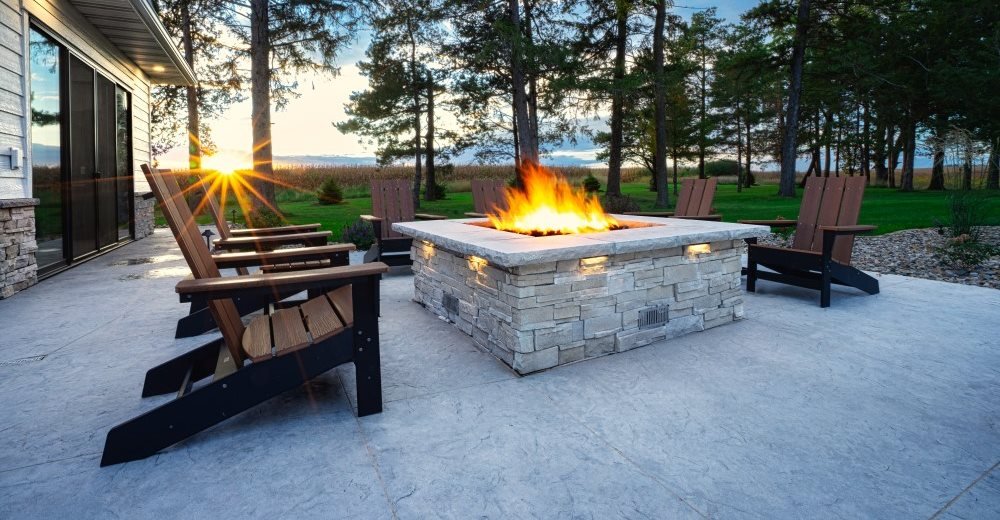
Your backyard says a lot about you before a single word is spoken. A cracked, faded patio tells one story. A beautifully textured, stone-patterned walkway tells another entirely. If you’ve been dreaming of an outdoor space that looks like it belongs in a design magazine, stamped concrete might be the answer you’ve been searching for.
Homeowners across the country are discovering that stamped concrete offers the beauty of natural stone, brick, or slate without the hefty price tag or maintenance headaches that come with those materials. It’s durable, versatile, and endlessly customizable, which is exactly why it’s become one of the most requested upgrades for patios, pool decks, driveways, and walkways.
If you’ve been putting off that outdoor renovation because you weren’t sure where to start, this is your sign to take the leap. Let’s walk through why stamped concrete deserves a spot at the top of your renovation wish list.
What Makes Stamped Concrete So Appealing?
At its core, stamped concrete is exactly what it sounds like: concrete that’s been textured and patterned to mimic the look of pricier materials like cobblestone, flagstone, brick, or even wood planks. Skilled installers press specialized molds into the concrete while it’s still workable, creating realistic textures that hold up beautifully over time.
The appeal doesn’t stop at aesthetics, though. Stamped concrete brings a combination of benefits that’s hard to match:
Design Flexibility
With dozens of patterns and color options available, stamped concrete can be tailored to match your home’s architecture, your landscaping, or your personal style. Want the rustic charm of weathered stone? Done. Prefer the clean lines of a herringbone brick pattern? Easy. The possibilities make it simple to create a cohesive look across your entire property.
Long-Term Durability
Unlike pavers that can shift and settle over time, stamped concrete is poured as a single slab, which means fewer weeds poking through cracks and less maintenance overall. When properly installed and sealed, it can withstand years of foot traffic, weather changes, and everyday wear without losing its charm.
Cost-Effective Elegance
Natural stone and high-end pavers come with premium price tags. Stamped concrete delivers a similar luxurious look at a fraction of the cost, making it an attractive option for homeowners who want high-end style without overspending.
Where Stamped Concrete Shines
Stamped concrete isn’t limited to one area of your property. In fact, part of its charm is how adaptable it is across different spaces.
Patios and Outdoor Living Areas
A stamped concrete patio instantly elevates your backyard, creating the perfect foundation for entertaining, relaxing, or dining alfresco. Pair it with comfortable furniture and some greenery, and you’ve got a space that feels like a private retreat.
Pool Decks
Because stamped concrete can be finished with slip-resistant textures, it’s an excellent choice for pool surrounds. It stays cooler underfoot than some alternatives and offers the kind of resort-style look that makes your backyard feel like a vacation destination.
Driveways and Walkways
First impressions matter, and your driveway or front walkway is often the first thing guests notice. A well-designed stamped concrete driveway adds curb appeal and can even boost your home’s resale value.
Choosing the Right Pattern and Color
One of the most exciting parts of any stamped concrete project is picking out the design. Popular choices include:
- Ashlar slate for a natural, organic look
- Cobblestone for timeless, old-world charm
- Wood plank for a warm, rustic feel without the upkeep of actual wood
- Running bond brick for classic, structured elegance
Color choices range from earthy browns and tans to deeper charcoal tones, allowing you to coordinate with your home’s exterior and existing hardscaping. A skilled team will walk you through samples and help you visualize how each option will look in your specific space before any work begins.
Why Professional Installation Matters
While stamped concrete might look simple once it’s finished, the process behind it requires precision, timing, and experience. The concrete must be poured, textured, and colored within a narrow window before it begins to set. Rushed or inexperienced work can lead to uneven patterns, poor color consistency, or cracking down the line.
This is exactly why choosing experienced stamped concrete services is so important for homeowners who want a flawless, long-lasting result. A professional team understands how to manage the timing, apply consistent pressure for crisp patterns, and properly seal the surface so it resists moisture, stains, and fading for years to come.
Beyond the technical skill, working with professionals also means fewer surprises. They’ll assess your soil conditions, drainage needs, and the specific demands of your climate before recommending the right approach. That kind of attention to detail is what separates a patio that looks great for a season from one that still turns heads a decade later.
Styling Your New Outdoor Space
Once your stamped concrete is installed, the fun part begins: making the space your own. Consider adding outdoor furniture that complements the color palette, potted plants for a pop of greenery, or a fire pit for cozy evenings outside.
Lighting also plays a surprisingly big role in how your new space feels after sunset. Warm, inviting pendant lights hung above a seating or dining area can instantly transform your patio into an evening gathering spot that feels just as magical as it does during the day. Combined with the texture and warmth of stamped concrete underfoot, the right lighting creates an atmosphere that’s hard to walk away from.
Ready to Reimagine Your Outdoor Space?
Stamped concrete offers an unbeatable combination of style, durability, and value, making it one of the smartest investments you can make in your home’s exterior. Whether you’re dreaming of a new patio for entertaining, a refreshed driveway that boosts curb appeal, or a pool deck that feels like a staycation every day, the right design and installation can bring that vision to life.
If you’re ready to see what’s possible for your property, reach out to a trusted team who can walk you through design options, answer your questions, and help you plan a space you’ll love for years to come. Your dream backyard is closer than you think.

Public sector hiring stays a nightmare. You’ve seen it if you’ve dealt with government jobs. One opening pulls in thousands of applications. Managers drown in them. Decisions stretch for months.
Remote work made everything messier after 2020. People scattered to home offices. Managers wondered how to tell real work from busywork. That tension didn’t fade. It sharpened.
The tools finally caught up by 2026. And agencies that use them see real differences.
Why AI hiring tools actually matter here
Agencies like USCIS, HHS, and local election offices still get buried. A single posting can draw 500 qualified people or more. Manual screening eats weeks. AI cuts it to days.
These systems scan resumes, flag issues, and rank candidates. Some run initial video interviews and score answers. The goal isn’t replacing humans. It’s clearing the pile so humans focus on people, not paper.
Speed wins big. Filling a data analyst or epidemiologist role in two weeks beats three months. Budgets don’t idle. Work moves.
The monitoring side of remote work
Remote setups need accountability. Some agencies now use activity tracking software. It’s not brand new, but the detail level jumped.
Not every tool feels right. Some cross into heavy surveillance. Others stay measured. For agencies wanting responsible options, https://controlio.net/employee-monitoring.html gives insights while respecting boundaries.
Transparency changes everything. Tell employees upfront what gets tracked and why. Pushback drops. Secrecy destroys trust fast.
The sneaky problem nobody admits out loud
Employees game the systems. Mouse jigglers. Automation scripts. They create the appearance of work without doing it. This happens more than agencies want to admit.
Fake data ruins decisions on staffing, reviews, or workloads. https://controlio.net/blog/activity-falsification-is-skewing-your-productivity-data.html breaks down how modern systems spot unusual mouse patterns, robotic clicks, and scripted behavior.
Controlio software stands out here because it flags these tricks without turning every desk into a spy movie.
Where this plays out in real agencies
Election offices ramp up monitoring during crunch times to protect sensitive systems. Makes sense when votes are on the line.
Health departments lean on AI hiring for specialists. Need lab techs or analysts fast? Speed saves lives in outbreaks.
Smart agencies avoid all-day blanket tracking. They focus on critical tasks. Full surveillance tanks morale. Targeted checks work better.
Trust beats tools every time
You can install fancy software or keep people bought in. Secretive approaches make both impossible.
Best agencies spell it out. They use AI because it’s quicker and often fairer. They monitor remote work for accountability. But they don’t sugarcoat it.
Some states now write rules around this: transparency mandates, tracking limits, regular audits. Smart move.
What actually works right now in 2026
Use AI for the hiring grind. Deploy monitoring where it fits. Stay honest about both. Let staff ask questions. Fix falsification so your numbers mean something.
Agencies pulling ahead treat tech as a helper, not a boss. They get better results when people understand the setup and buy into the why.
The shift feels real. Less theater. More practical fixes. Actual progress on problems that dragged for years.
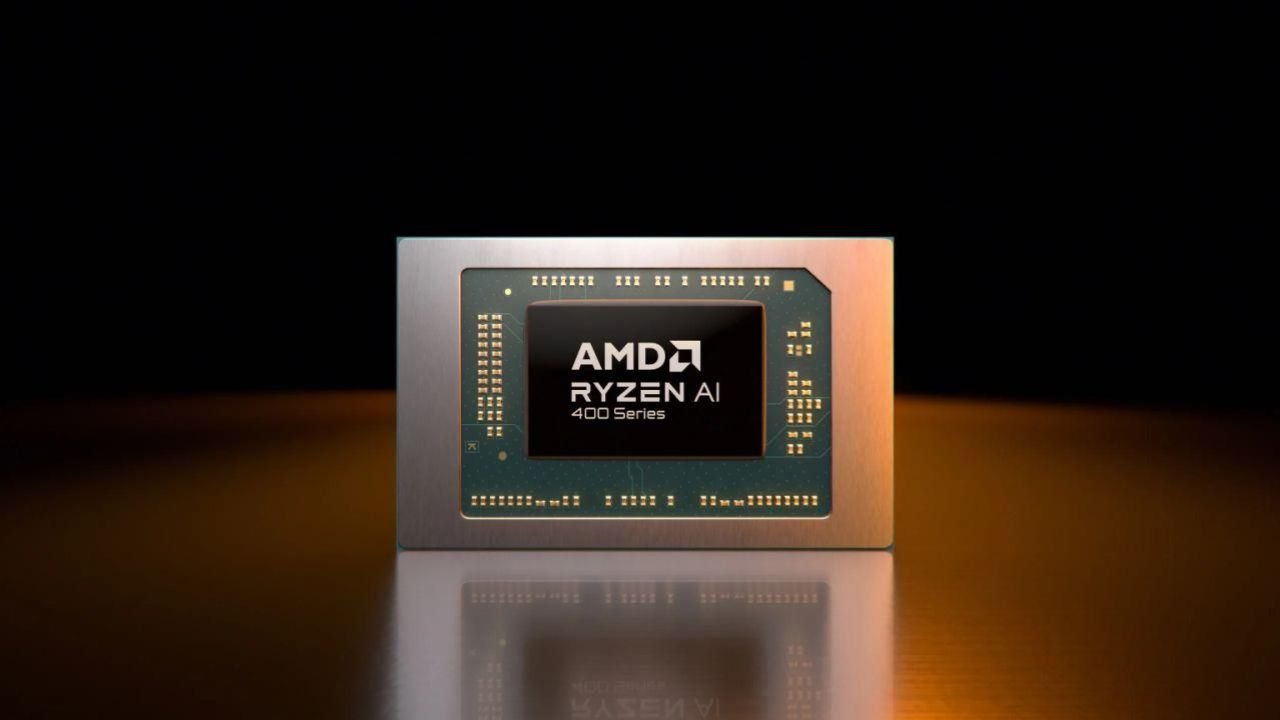
The real-time rendering technique has revolutionized the way industries have gone about visualizing, reviewing, and refining their digital projects. With the advent of virtual worlds, architectural tours, product visualization, and interactive experiences, the industry demands instant feedback without any trade-off in terms of image quality.
On the other hand, for business leaders and individuals making decisions, there has been an ever-growing need for hardware that matches the requirements posed by increasingly sophisticated rendering processes.
1. The Evolution of Real-Time Rendering
Real-time rendering is now much more than mere previewing or basic visualization processes. Contemporary rendering engines offer nearly photorealistic images while keeping the frame rate interactive, making it possible for people to see changes instantaneously. Workstations that are based on Virtual Reality AMD Ryzen are usually employed for this purpose.
Industries like architecture, games, engineering, and virtual production utilize real-time rendering to make quicker decisions. Visualization makes the process faster and helps avoid delays in projects.
Along with the development of rendering technology, there is an increase in hardware requirements. Systems must process more geometry, textures, lighting effects, and environmental data without creating bottlenecks that interrupt productivity.
2. GPU Performance Drives Modern Rendering
Modern render engines depend on graphics capabilities to create realistic images on the fly. With more powerful graphics acceleration, faster real-time rendering becomes possible, and interactions with complex scenes improve.
Due to techniques such as ray tracing and path tracing, shadows, reflections, and light rays can be calculated instantly. Such a procedure is very demanding on graphics cards, posing serious problems even with simple systems.
Higher-end GPUs have increased VRAM sizes that help maintain scenes with complicated objects and detailed textures without transferring data, which hinders rendering speeds.
3. Managing Larger Assets and Textures
Modern projects contain significantly more visual data than previous generations of content. Large environments, detailed models, and high-resolution materials place continuous demands on workstation resources.
Rendering processes often need 4K and 8K textures, which take a lot of memory resources. Once the available memory runs out, the performance is significantly reduced.
Workstations are built to cope effectively with such tasks. Additional memory resources and fast storage are used to keep navigation smooth even in case the projects become more complex.
4. CPU Power Supports Real-Time Simulations
While GPUs handle visual rendering, processors remain responsible for many background calculations. Physics systems, procedural generation, particle effects, and artificial intelligence all depend on CPU performance.
Modern rendering environments frequently process multiple tasks simultaneously. A workstation must manage rendering, simulations, asset loading, and user interaction without causing delays or dropped frames.
High-core-count processors improve multitasking capabilities while maintaining responsiveness. This becomes especially important when working on large-scale projects that require multiple software tools running at the same time.
5. Workflow Efficiency Depends on Reliable Hardware
Fast rendering alone does not guarantee productivity. Creative teams need systems that remain stable throughout long production sessions without performance fluctuations or unexpected interruptions.
Projects involving Virtual production motion capture hardware require reliable workstation performance because rendering systems must process tracking data, animation updates, and visual outputs simultaneously.
Reliable hardware reduces downtime and allows teams to maintain consistent workflows. Stable systems help organizations meet deadlines while minimizing the risks associated with crashes and performance-related delays.
6. Cooling and Stability Matter More Than Ever
The higher the intensity of rendering work, the more heat is generated. If the thermal solution of your system is not sufficient, then there may be thermal throttling that will slow down the rendering process.
Professional workstations have powerful cooling systems intended for constant loads. With proper temperature control, the components can work at full capacity all the time.
In addition to temperature control, system stability is crucial when rendering or working with visualization tools for long periods of time.
7. Real-Time Collaboration Requires More Processing Power
Modern workflows increasingly involve collaborative environments where multiple stakeholders review projects in real time. Interactive presentations, design reviews, and virtual demonstrations require responsive performance.
Rendering systems must instantly reflect changes while maintaining visual accuracy. Any delays can interrupt collaboration and reduce the effectiveness of the review process.
Powerful workstations make these collaborative experiences possible by providing the resources needed to manage complex scenes without sacrificing responsiveness or visual quality.
Building for the Future of Real-Time Rendering
The need for real-time rendering will only increase with time, with advancements in visual technology that become increasingly more vivid and interactive. Companies that build on a solid workstation infrastructure can easily adapt to future demands.
Various vendors are providing reliable workstation platforms. These include Puget Systems and BOXX Technologies. The two vendors offer good hardware capabilities, but most companies need workstations customized according to their specific rendering needs rather than generic solutions.
Cloud Ninjas stands out due to its customized approach towards workstations for visualization, rendering, and production workloads. Cloud Ninjas’ workstations are customized according to the specific load of workstations used by professionals for real-time rendering projects.
-
 Technology9 months ago
China’s High-Speed Rail: A Transformational Journey Through Speed, Innovation, and National Progress
-

 Blog9 months ago
Brandi Loge: Everything You Need to Know About the Rising Brand
-
 Business9 months ago
Top Reasons Stussy Clothing Dominates the Streetwear Scene
-
 Blog10 months ago
Lustmap24: Your Ultimate Guide to Adult Connections
-
 Technology10 months ago
Frehf Explained: Understanding Its Impact on Modern Culture
-
 Blog10 months ago
AC Milan vs SSC Bari Timeline: Complete Match History and Key Moments
-
 Blog9 months ago
Unlocking the Mystery: What is Zosqk and Why It Matters
-
 Blog10 months ago
Exploring Pantagonar: A Hidden Gem in the Heart of Nature