
Blog
What Factors Affect the Thrust Output of an Underwater Thruster?

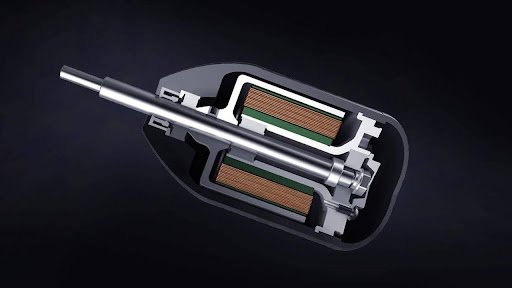
Underwater Thruster is needed in unmanned surface vessels (USVs), autonomous underwater vehicles (AUVs), remotely operated vehicles (ROVs), and other applications of marine robotics. Their functioning has a direct effect on maneuverability, speed and efficiency in water. The thrust output is one of the most vital performance measures, and it dictates the capability of a thruster to either propel or hold a vehicle in the presence of a load. The knowledge of the factors influencing thrust is one of the reasons why the most appropriate system is to be chosen to be used in a specific application and to be able to maximize the overall performance.
Propeller Design and Blade Geometry
The design of the propeller, the blade shape, its size, pitch, and count are some of the primary variables in thrust, which influence the water displacement and motion in a specific direction. Blades with high pitch increase the thrust power at high speeds but can decrease the power at low speeds, whereas blades with low pitch or larger diameter have good initial power on slow or heavy loads, but to a maximum speed. Higher diameter typically gives higher thrust, but requires higher torque, as observed in CubeMars thrusters that are designed to provide forward and reverse thrust, and compromise efficiency with compact dimensions that are operated in shallow and mid-depth operations.
Motor Power and Electrical Configuration
Another important issue is the propeller motor. The power of the thrusters is determined by the electric power that can be provided, both in voltage and current, by the motor controller or ESC. Increased continuous power results in increased sustained thrust, and peak power results in short bursts of acceleration or maneuvering. Motors like those in CubeMars propellers are designed to provide a steady power output with low cogging torque so as to achieve a smooth and constant propulsion at varying load conditions. Hall effect and temperature sensors, among others, are integrated in the sensors, enabling the motor speed to be controlled precisely and the motor not to overheat, and it will still be possible to maintain optimal thrust performance during prolonged operation.
Hydrodynamic and Environmental Conditions
Density, viscosity and flow state of water have an important effect on the thrust. Fresh water and salt water have different densities, and this necessitates a change in power or propeller setting that would enable the same type of performance. Also, the temperature of water influences the fluid characteristics and power consumption of the motor, thus, output. The external currents and turbulence also impose other forms of resistance, and hence can cause a reduction in effective thrust. Streamlined housed thrusters and shrouded propellers decrease drag and ensure constant thrust in high-current or turbulent conditions. They are usually taken into consideration by designers when choosing thrusters with the goal of ensuring that the expected performance of the thrusters remains consistent when they are deployed under varying conditions.
Mounting and Alignment
How a thruster is installed may influence the useful force that is applied to the vehicle. The motor shaft and propeller not being aligned correctly or the poor orientation of the housing can add losses of vibrations, drag, or water leakage. All these problems are addressed through dual-bearing and low-friction shaft designs with precision mounting, which allow the shaft to be correctly aligned even during mechanical stress. As an example, CubeMars thrusters have dual-chamber sealing and high precision casting to minimize mechanical inefficiencies, enabling the full rated thrust to be provided consistently.
Depth and Pressure Considerations
The depth of operating has an effect on the performance of the thruster because the greater the depth, the greater the pressure caused by hydrostatics. Thrusters that are used in deep-water operations are structurally reinforced so that they do not deform and stay intact in terms of sealing. Housings with pressure resistance and low-drag dynamic shaft seals ensure that infiltration of water is avoided and the transmission of torque is maintained, with the thrust output sustained at deeper depths. Shallow-water thrusters are designed with a lighter structure load and without corrosion resistance and high thrust output. Through knowledge of limitations with depth, it is important to choose thrusters that will not overwork motor systems but still satisfy mission needs.
Thermal Management
The thermal performance has a direct influence on the thrust capability, especially when operating continuously. The accumulation of heat in the motor or ESC may result in loss of efficiency, loss of torque or protective shutdowns. Potting materials with high thermal conductivity, water-cooled motor designs, and in-built temperature sensors are helpful in maintaining stable heat management. An example is CubeMars thrusters with encapsulated windings and water-cooled housings to keep the optimum operating temperatures, such that the motor is able to continue the rated thrust without depreciation. Underwater work of heavy-duty or prolonged duration requires good thermal management.
Material Selection and Corrosion Resistance
The construction materials employed in the manufacture of thrusters influence the performance and durability. Anti-corrosion finishes, aluminum alloy casings and stainless steel shafts also increase longevity and weight reduction indirectly related to thrust efficiency. A lightweight thruster needs less torque to move the same amount of water, and the resistance to corrosion avoids structural deterioration that may affect the performance in the long run. CubeMars thrusters have been made using strong alloys and protective finishes to be strong and small at the same time, ensuring that they can be relied upon to provide thrust even in the most hostile marine conditions.
Control and Feedback Systems
Lastly, the integrated control systems affect adequate thrust by enabling dynamic control of speed and direction. Electronic speed controllers (ESCs) have a two-way control, start-up algorithms and a feedback control to optimize the coupling between motor power and propeller load. These systems ensure that there is no overloading and provide constant thrust by offering real-time data on the motor status, current, and temperature. The use of CubeMars ESC-equipped thrusters provides the opportunity to control motors accurately and efficiently propel and increase the operating life.
Conclusion
The thrust in the underwater thruster is based on the design of its propeller, the power of the motors, the environment, depth, thermal, and materials. To ensure a high level of performance, all the variables need to be taken into consideration to align the thruster with its use. The underwater thruster line of CubeMars is made in accordance with these principles and provides a high level of efficiency, resistance to corrosion and sensors to guarantee optimum performance. The selection of the appropriate thruster entails depth, load, conditions in the water, and control to provide the efficiency of propulsion of USVs, AUVs, ROVs, and marine robots. Efficiency, lifespan and thrust are maximized by proper integration.
Your backyard says a lot about you before a single word is spoken. A cracked, faded patio tells one story. A beautifully textured, stone-patterned walkway tells another entirely. If you’ve been dreaming of an outdoor space that looks like it belongs in a design magazine, stamped concrete might be the answer you’ve been searching for.
Homeowners across the country are discovering that stamped concrete offers the beauty of natural stone, brick, or slate without the hefty price tag or maintenance headaches that come with those materials. It’s durable, versatile, and endlessly customizable, which is exactly why it’s become one of the most requested upgrades for patios, pool decks, driveways, and walkways.
If you’ve been putting off that outdoor renovation because you weren’t sure where to start, this is your sign to take the leap. Let’s walk through why stamped concrete deserves a spot at the top of your renovation wish list.
What Makes Stamped Concrete So Appealing?
At its core, stamped concrete is exactly what it sounds like: concrete that’s been textured and patterned to mimic the look of pricier materials like cobblestone, flagstone, brick, or even wood planks. Skilled installers press specialized molds into the concrete while it’s still workable, creating realistic textures that hold up beautifully over time.
The appeal doesn’t stop at aesthetics, though. Stamped concrete brings a combination of benefits that’s hard to match:
Design Flexibility
With dozens of patterns and color options available, stamped concrete can be tailored to match your home’s architecture, your landscaping, or your personal style. Want the rustic charm of weathered stone? Done. Prefer the clean lines of a herringbone brick pattern? Easy. The possibilities make it simple to create a cohesive look across your entire property.
Long-Term Durability
Unlike pavers that can shift and settle over time, stamped concrete is poured as a single slab, which means fewer weeds poking through cracks and less maintenance overall. When properly installed and sealed, it can withstand years of foot traffic, weather changes, and everyday wear without losing its charm.
Cost-Effective Elegance
Natural stone and high-end pavers come with premium price tags. Stamped concrete delivers a similar luxurious look at a fraction of the cost, making it an attractive option for homeowners who want high-end style without overspending.
Where Stamped Concrete Shines
Stamped concrete isn’t limited to one area of your property. In fact, part of its charm is how adaptable it is across different spaces.
Patios and Outdoor Living Areas
A stamped concrete patio instantly elevates your backyard, creating the perfect foundation for entertaining, relaxing, or dining alfresco. Pair it with comfortable furniture and some greenery, and you’ve got a space that feels like a private retreat.
Pool Decks
Because stamped concrete can be finished with slip-resistant textures, it’s an excellent choice for pool surrounds. It stays cooler underfoot than some alternatives and offers the kind of resort-style look that makes your backyard feel like a vacation destination.
Driveways and Walkways
First impressions matter, and your driveway or front walkway is often the first thing guests notice. A well-designed stamped concrete driveway adds curb appeal and can even boost your home’s resale value.
Choosing the Right Pattern and Color
One of the most exciting parts of any stamped concrete project is picking out the design. Popular choices include:
- Ashlar slate for a natural, organic look
- Cobblestone for timeless, old-world charm
- Wood plank for a warm, rustic feel without the upkeep of actual wood
- Running bond brick for classic, structured elegance
Color choices range from earthy browns and tans to deeper charcoal tones, allowing you to coordinate with your home’s exterior and existing hardscaping. A skilled team will walk you through samples and help you visualize how each option will look in your specific space before any work begins.
Why Professional Installation Matters
While stamped concrete might look simple once it’s finished, the process behind it requires precision, timing, and experience. The concrete must be poured, textured, and colored within a narrow window before it begins to set. Rushed or inexperienced work can lead to uneven patterns, poor color consistency, or cracking down the line.
This is exactly why choosing experienced stamped concrete services is so important for homeowners who want a flawless, long-lasting result. A professional team understands how to manage the timing, apply consistent pressure for crisp patterns, and properly seal the surface so it resists moisture, stains, and fading for years to come.
Beyond the technical skill, working with professionals also means fewer surprises. They’ll assess your soil conditions, drainage needs, and the specific demands of your climate before recommending the right approach. That kind of attention to detail is what separates a patio that looks great for a season from one that still turns heads a decade later.
Styling Your New Outdoor Space
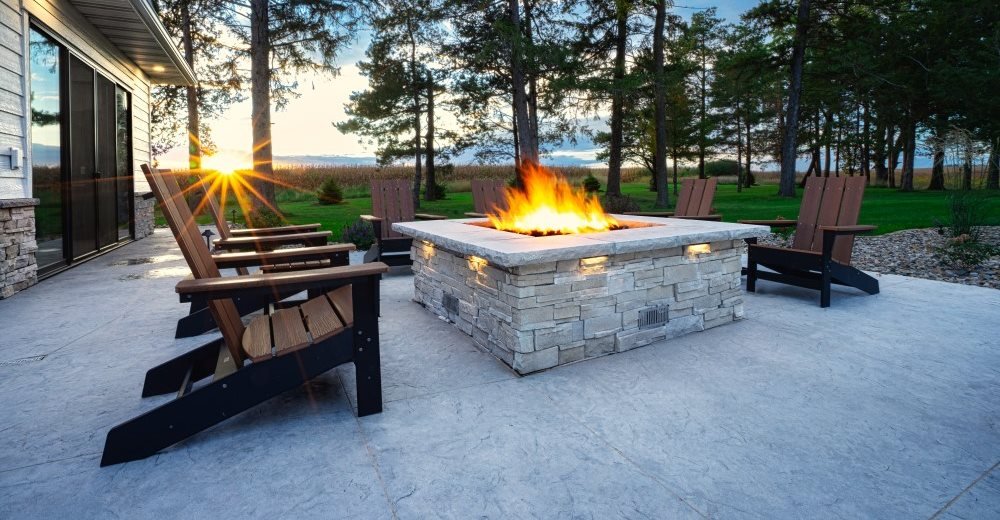
Once your stamped concrete is installed, the fun part begins: making the space your own. Consider adding outdoor furniture that complements the color palette, potted plants for a pop of greenery, or a fire pit for cozy evenings outside.
Lighting also plays a surprisingly big role in how your new space feels after sunset. Warm, inviting pendant lights hung above a seating or dining area can instantly transform your patio into an evening gathering spot that feels just as magical as it does during the day. Combined with the texture and warmth of stamped concrete underfoot, the right lighting creates an atmosphere that’s hard to walk away from.
Ready to Reimagine Your Outdoor Space?
Stamped concrete offers an unbeatable combination of style, durability, and value, making it one of the smartest investments you can make in your home’s exterior. Whether you’re dreaming of a new patio for entertaining, a refreshed driveway that boosts curb appeal, or a pool deck that feels like a staycation every day, the right design and installation can bring that vision to life.
If you’re ready to see what’s possible for your property, reach out to a trusted team who can walk you through design options, answer your questions, and help you plan a space you’ll love for years to come. Your dream backyard is closer than you think.

Public sector hiring stays a nightmare. You’ve seen it if you’ve dealt with government jobs. One opening pulls in thousands of applications. Managers drown in them. Decisions stretch for months.
Remote work made everything messier after 2020. People scattered to home offices. Managers wondered how to tell real work from busywork. That tension didn’t fade. It sharpened.
The tools finally caught up by 2026. And agencies that use them see real differences.
Why AI hiring tools actually matter here
Agencies like USCIS, HHS, and local election offices still get buried. A single posting can draw 500 qualified people or more. Manual screening eats weeks. AI cuts it to days.
These systems scan resumes, flag issues, and rank candidates. Some run initial video interviews and score answers. The goal isn’t replacing humans. It’s clearing the pile so humans focus on people, not paper.
Speed wins big. Filling a data analyst or epidemiologist role in two weeks beats three months. Budgets don’t idle. Work moves.
The monitoring side of remote work
Remote setups need accountability. Some agencies now use activity tracking software. It’s not brand new, but the detail level jumped.
Not every tool feels right. Some cross into heavy surveillance. Others stay measured. For agencies wanting responsible options, https://controlio.net/employee-monitoring.html gives insights while respecting boundaries.
Transparency changes everything. Tell employees upfront what gets tracked and why. Pushback drops. Secrecy destroys trust fast.
The sneaky problem nobody admits out loud
Employees game the systems. Mouse jigglers. Automation scripts. They create the appearance of work without doing it. This happens more than agencies want to admit.
Fake data ruins decisions on staffing, reviews, or workloads. https://controlio.net/blog/activity-falsification-is-skewing-your-productivity-data.html breaks down how modern systems spot unusual mouse patterns, robotic clicks, and scripted behavior.
Controlio software stands out here because it flags these tricks without turning every desk into a spy movie.
Where this plays out in real agencies
Election offices ramp up monitoring during crunch times to protect sensitive systems. Makes sense when votes are on the line.
Health departments lean on AI hiring for specialists. Need lab techs or analysts fast? Speed saves lives in outbreaks.
Smart agencies avoid all-day blanket tracking. They focus on critical tasks. Full surveillance tanks morale. Targeted checks work better.
Trust beats tools every time
You can install fancy software or keep people bought in. Secretive approaches make both impossible.
Best agencies spell it out. They use AI because it’s quicker and often fairer. They monitor remote work for accountability. But they don’t sugarcoat it.
Some states now write rules around this: transparency mandates, tracking limits, regular audits. Smart move.
What actually works right now in 2026
Use AI for the hiring grind. Deploy monitoring where it fits. Stay honest about both. Let staff ask questions. Fix falsification so your numbers mean something.
Agencies pulling ahead treat tech as a helper, not a boss. They get better results when people understand the setup and buy into the why.
The shift feels real. Less theater. More practical fixes. Actual progress on problems that dragged for years.
The real-time rendering technique has revolutionized the way industries have gone about visualizing, reviewing, and refining their digital projects. With the advent of virtual worlds, architectural tours, product visualization, and interactive experiences, the industry demands instant feedback without any trade-off in terms of image quality.
On the other hand, for business leaders and individuals making decisions, there has been an ever-growing need for hardware that matches the requirements posed by increasingly sophisticated rendering processes.
1. The Evolution of Real-Time Rendering
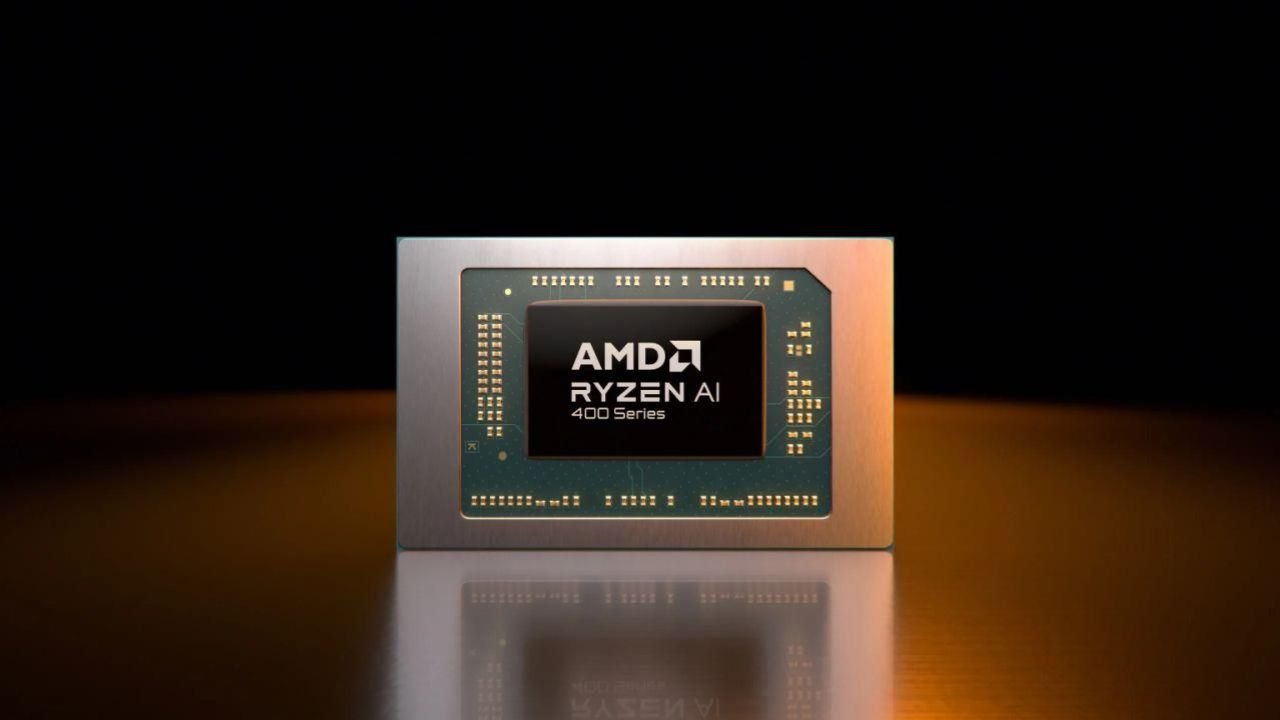
Real-time rendering is now much more than mere previewing or basic visualization processes. Contemporary rendering engines offer nearly photorealistic images while keeping the frame rate interactive, making it possible for people to see changes instantaneously. Workstations that are based on Virtual Reality AMD Ryzen are usually employed for this purpose.
Industries like architecture, games, engineering, and virtual production utilize real-time rendering to make quicker decisions. Visualization makes the process faster and helps avoid delays in projects.
Along with the development of rendering technology, there is an increase in hardware requirements. Systems must process more geometry, textures, lighting effects, and environmental data without creating bottlenecks that interrupt productivity.
2. GPU Performance Drives Modern Rendering
Modern render engines depend on graphics capabilities to create realistic images on the fly. With more powerful graphics acceleration, faster real-time rendering becomes possible, and interactions with complex scenes improve.
Due to techniques such as ray tracing and path tracing, shadows, reflections, and light rays can be calculated instantly. Such a procedure is very demanding on graphics cards, posing serious problems even with simple systems.
Higher-end GPUs have increased VRAM sizes that help maintain scenes with complicated objects and detailed textures without transferring data, which hinders rendering speeds.
3. Managing Larger Assets and Textures
Modern projects contain significantly more visual data than previous generations of content. Large environments, detailed models, and high-resolution materials place continuous demands on workstation resources.
Rendering processes often need 4K and 8K textures, which take a lot of memory resources. Once the available memory runs out, the performance is significantly reduced.
Workstations are built to cope effectively with such tasks. Additional memory resources and fast storage are used to keep navigation smooth even in case the projects become more complex.
4. CPU Power Supports Real-Time Simulations
While GPUs handle visual rendering, processors remain responsible for many background calculations. Physics systems, procedural generation, particle effects, and artificial intelligence all depend on CPU performance.
Modern rendering environments frequently process multiple tasks simultaneously. A workstation must manage rendering, simulations, asset loading, and user interaction without causing delays or dropped frames.
High-core-count processors improve multitasking capabilities while maintaining responsiveness. This becomes especially important when working on large-scale projects that require multiple software tools running at the same time.
5. Workflow Efficiency Depends on Reliable Hardware
Fast rendering alone does not guarantee productivity. Creative teams need systems that remain stable throughout long production sessions without performance fluctuations or unexpected interruptions.
Projects involving Virtual production motion capture hardware require reliable workstation performance because rendering systems must process tracking data, animation updates, and visual outputs simultaneously.
Reliable hardware reduces downtime and allows teams to maintain consistent workflows. Stable systems help organizations meet deadlines while minimizing the risks associated with crashes and performance-related delays.
6. Cooling and Stability Matter More Than Ever
The higher the intensity of rendering work, the more heat is generated. If the thermal solution of your system is not sufficient, then there may be thermal throttling that will slow down the rendering process.
Professional workstations have powerful cooling systems intended for constant loads. With proper temperature control, the components can work at full capacity all the time.
In addition to temperature control, system stability is crucial when rendering or working with visualization tools for long periods of time.
7. Real-Time Collaboration Requires More Processing Power
Modern workflows increasingly involve collaborative environments where multiple stakeholders review projects in real time. Interactive presentations, design reviews, and virtual demonstrations require responsive performance.
Rendering systems must instantly reflect changes while maintaining visual accuracy. Any delays can interrupt collaboration and reduce the effectiveness of the review process.
Powerful workstations make these collaborative experiences possible by providing the resources needed to manage complex scenes without sacrificing responsiveness or visual quality.
Building for the Future of Real-Time Rendering
The need for real-time rendering will only increase with time, with advancements in visual technology that become increasingly more vivid and interactive. Companies that build on a solid workstation infrastructure can easily adapt to future demands.
Various vendors are providing reliable workstation platforms. These include Puget Systems and BOXX Technologies. The two vendors offer good hardware capabilities, but most companies need workstations customized according to their specific rendering needs rather than generic solutions.
Cloud Ninjas stands out due to its customized approach towards workstations for visualization, rendering, and production workloads. Cloud Ninjas’ workstations are customized according to the specific load of workstations used by professionals for real-time rendering projects.
-

 Blog1 year ago
3 Amazing Multi-Purpose Phone Chargers You Need in 2026
-
 Technology10 months ago
China’s High-Speed Rail: A Transformational Journey Through Speed, Innovation, and National Progress
-

 Blog10 months ago
Brandi Loge: Everything You Need to Know About the Rising Brand
-
 Business10 months ago
Top Reasons Stussy Clothing Dominates the Streetwear Scene
-
 Blog11 months ago
Lustmap24: Your Ultimate Guide to Adult Connections
-
 Technology11 months ago
Frehf Explained: Understanding Its Impact on Modern Culture
-
 Blog11 months ago
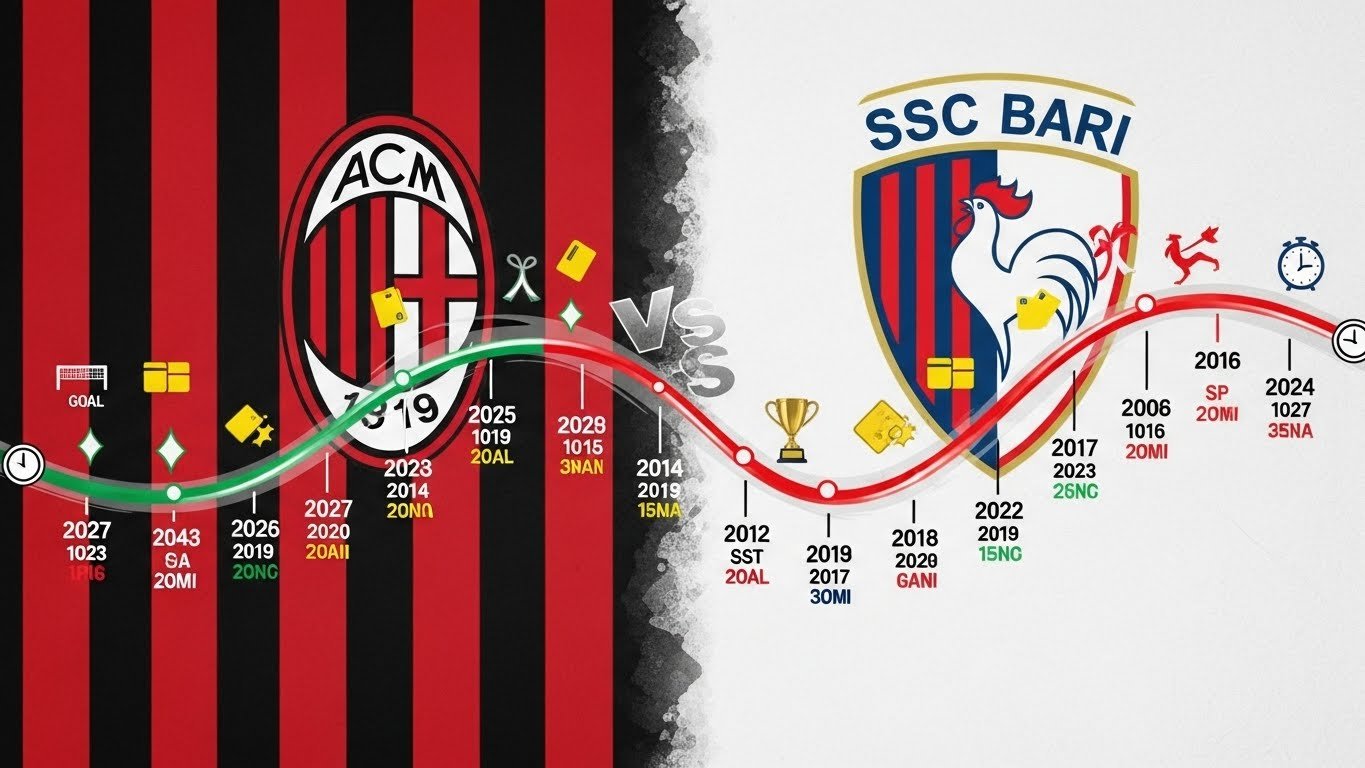
AC Milan vs SSC Bari Timeline: Complete Match History and Key Moments
-
 Blog10 months ago
Unlocking the Mystery: What is Zosqk and Why It Matters