
Technology
Why Choose Ziptie AI Search Analytics for Advanced Search Insights

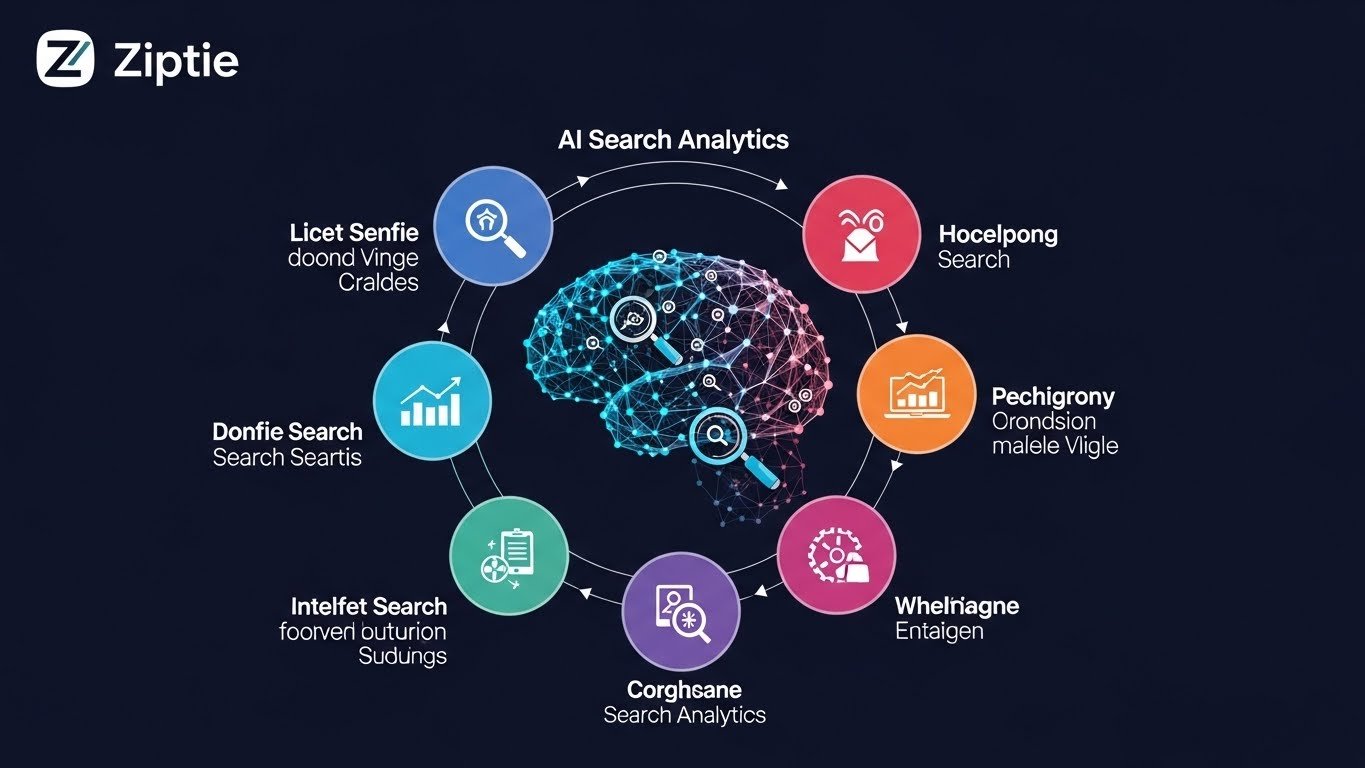
In today’s fast-paced digital world, businesses are constantly seeking ways to stay ahead of the competition. The key to unlocking growth and driving success lies in understanding consumer behavior and preferences. Enter Ziptie AI Search Analytics—a cutting-edge tool designed to provide advanced search insights that can revolutionize how companies interact with their customers. But why choose Ziptie AI over other analytics solutions? This article will dive into its unique features, benefits, and real-life success stories that showcase how this innovative platform is transforming the landscape of data-driven decision-making. If you’re ready to elevate your business strategy, read on!
What is Ziptie AI?
Ziptie AI is an advanced search analytics platform that leverages artificial intelligence to enhance data interpretation. It transforms how businesses analyze and understand user interactions with their digital content. At its core, Ziptie AI processes vast amounts of search data, identifying trends and patterns that traditional methods might overlook. With sophisticated algorithms, it delivers actionable insights that empower companies to make informed strategic decisions.
The platform is designed for a variety of industries, from e-commerce to healthcare. Its versatility makes it suitable for any organization looking to optimize their online presence and improve user experience. With real-time analytics capabilities, Ziptie AI ensures users gain immediate visibility into their performance metrics. This feature enables quick adjustments based on current market demands or consumer behavior shifts.
The Importance of Advanced Search Insights
In today’s digital landscape, the sheer volume of information can be overwhelming. Businesses need a way to cut through the noise and extract meaningful data from searches. This is where advanced search insights come into play. Understanding user behavior during searches reveals patterns that drive engagement. It helps identify what customers are truly looking for, enabling businesses to tailor their offerings effectively.
Advanced search analytics also empower brands with competitive intelligence. By analyzing trends and keywords, companies can stay ahead of market movements and refine their strategies accordingly. Moreover, insights derived from advanced search capabilities enhance customer experiences. When businesses anticipate needs based on robust data analysis, they foster loyalty and satisfaction among users. Investing in such intelligence ultimately leads to informed decision-making that transforms raw data into actionable strategies for growth.
How Ziptie AI Can Help Businesses
Ziptie AI revolutionizes the way businesses approach search analytics. With its advanced algorithms, it transforms raw data into actionable insights. Companies gain a deeper understanding of user behavior. This enables them to tailor their offerings more effectively. By identifying trends and patterns, Ziptie AI helps businesses make informed decisions.
The platform’s intuitive interface simplifies complex data analysis. Even those without technical expertise can navigate easily and derive valuable findings.
Real-time reporting keeps teams updated on performance metrics. Quick access to insights ensures that adjustments can be made promptly, enhancing overall strategy. Moreover, Ziptie AI integrates seamlessly with existing systems. Businesses do not need to overhaul their infrastructure to reap the benefits of enhanced analytics capabilities. With Ziptie AI, organizations unlock new opportunities for growth and optimization every day.
Case Studies: Success Stories with Ziptie AI
Ziptie AI has transformed the search analytics landscape for various businesses, showcasing its effectiveness through real-world success stories. One notable case involved an e-commerce company struggling with customer engagement. By implementing Ziptie AI, they gained insights into user behavior patterns and optimized their website’s search functionality. The result? A 30% increase in conversion rates within three months.
Another compelling example comes from a financial services firm that needed to enhance its data retrieval systems. After integrating Ziptie AI, they achieved faster response times and improved accuracy in search results. This led to higher client satisfaction scores and a significant boost in operational efficiency.
These cases demonstrate how tailored solutions provided by Ziptie AI can address unique challenges across different industries. Businesses are not just gaining analytical tools; they’re discovering pathways to growth and innovation through advanced search insights.
Features and Benefits of Ziptie AI
Ziptie AI brings a suite of cutting-edge features designed to elevate your search analytics. At its core, the platform harnesses advanced machine learning algorithms. These tools analyze user behavior and preferences in real time. Businesses benefit from intuitive dashboards that visualize complex data effortlessly. The easy-to-navigate interface allows teams to extract insights quickly, saving valuable time.
Customizable reporting options ensure that organizations can tailor metrics to fit their unique needs. Whether it’s tracking keyword performance or understanding user intent, Ziptie AI has you covered. Integration capabilities with existing systems further enhance functionality. This seamless connection means businesses experience minimal disruption while maximizing efficiency. Moreover, Ziptie AI’s predictive analytics equip companies with foresight into emerging trends. This empowers decision-makers to stay ahead in an ever-evolving landscape.
Customer Reviews and Testimonials
Customers have shared their experiences with Ziptie AI, and the feedback has been overwhelmingly positive. Many businesses highlight how easy it is to implement this powerful tool into their existing systems. One user noted that the intuitive interface allowed their team to extract valuable insights within days. They marveled at how quickly they could adapt search strategies based on real-time data.
Another client praised Ziptie AI for its accuracy in predicting customer behavior. This insight led them to optimize their marketing campaigns effectively, resulting in increased engagement and sales. Testimonials often mention the exceptional customer support as well. Clients appreciate having a dedicated team available to assist whenever needed, ensuring they maximize the platform’s potential. The combination of usability, performance, and support makes many organizations feel confident about choosing Ziptie AI for their advanced search analytics needs.
Why Ziptie AI is the Best Choice for Advanced Search Analytics
Ziptie AI stands out in the crowded field of search analytics tools. Its advanced algorithms provide deep insights that traditional methods simply cannot match. This platform harnesses the power of artificial intelligence to sift through vast amounts of data quickly and accurately. Businesses gain access to real-time analytics, allowing them to make informed decisions swiftly.
User-friendly dashboards offer intuitive navigation, making complex data accessible at a glance. Customizable reporting features cater specifically to varied business needs, enhancing overall efficiency. Moreover, Ziptie AI prioritizes security and compliance, ensuring sensitive information remains protected while delivering reliable results. This commitment fosters trust among users.
With top-notch customer support and continuous updates based on user feedback, Ziptie AI evolves alongside businesses’ ever-changing requirements. It’s this dedication that solidifies its position as an indispensable tool for anyone seeking advanced search insights.
Conclusion
When considering advanced search analytics, Ziptie AI stands out as a powerful tool for businesses of all sizes. Its ability to harness artificial intelligence offers unparalleled insights that can drive decision-making and improve operational efficiency. The importance of understanding search behavior cannot be overstated, especially in today’s data-driven landscape.
Ziptie AI provides tailored solutions designed to meet the unique needs of various industries. Through real-world case studies and success stories, it becomes clear how organizations have transformed their operations using this technology. Users consistently praise its features and benefits, highlighting improved performance metrics and enhanced user experiences.
Choosing Ziptie AI means gaining access to advanced capabilities that set your business apart from the competition. With positive customer reviews reinforcing its effectiveness, making the switch could lead to significant improvements in your analytics strategies.
For those looking to elevate their search insights game, Ziptie AI presents an opportunity not to be missed. It’s more than just a tool; it’s a partner in navigating the complexities of modern search behaviors with finesse and accuracy.
For decades, technology decisions followed a familiar pattern. A new system was introduced, IT managed the rollout, employees were shown how to log in, and the organisation moved on. The responsibility sat largely with technical teams.
Artificial intelligence does not fit that model.
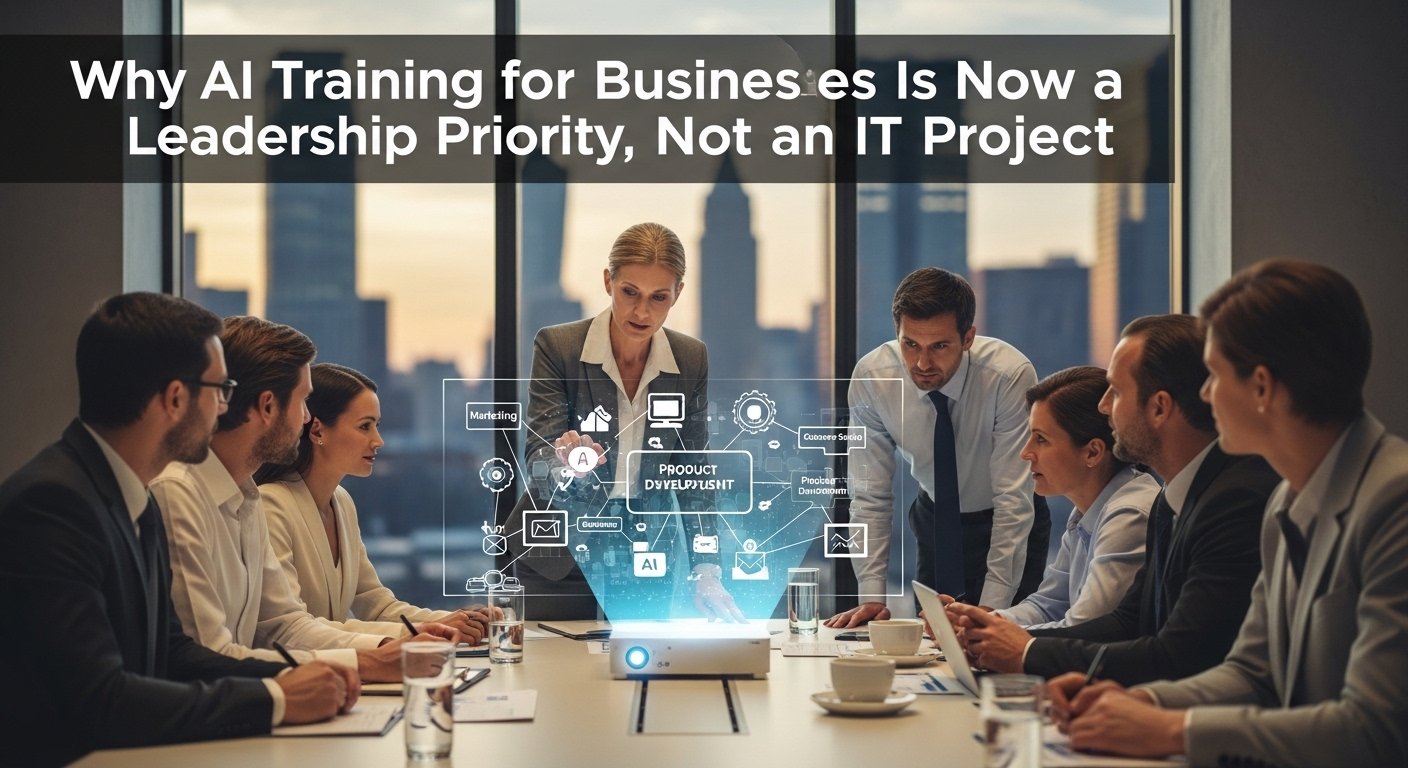
AI is not just another piece of software. It influences how people write, think, plan, analyse and communicate. It changes how decisions are shaped and how time is used. Because of that, AI training for businesses can no longer be treated as a technical rollout. It is a leadership issue.
The organisations that recognise this early are the ones building real capability, rather than just experimenting with tools.
AI Is Changing Human Work, Not Just Systems
Traditional IT projects improve infrastructure. AI improves cognition.
When a marketing manager uses AI to draft a campaign outline, or an HR professional uses it to structure a policy, they are not interacting with a back-end system. They are reshaping how they think and produce work. Sales teams use AI to prepare proposals. Operations teams use it to summarise meetings and document processes. Executives use it to sense-check strategy or clarify messaging.
These are core business functions.
That is why AI training workshops should not be framed as “technical upskilling.” They are capability-building sessions that affect performance across the organisation. If leadership does not take ownership of that shift, adoption becomes inconsistent and fragmented.
Some employees move ahead quickly. Others hold back. Some use AI confidently but without guidance. Others avoid it out of uncertainty. The result is uneven performance and unnecessary risk.
Culture Determines Whether AI Succeeds
Installing a platform is straightforward. Changing behaviour is not.
Many businesses make the mistake of focusing only on tools. They compare features, debate pricing, and assign access rights. But the real challenge is cultural. Do people feel confident using AI? Do they understand where it is appropriate? Do they know what not to input? Do they trust that leadership supports responsible experimentation?
Without clear signals from the top, hesitation grows.
Employees often ask silent questions: Is this allowed? Will I get in trouble if I use it incorrectly? Is leadership actually serious about this, or is it another passing trend?
AI training for businesses must therefore begin with leadership alignment. When leaders understand the tools themselves, speak openly about expectations, and model practical use, adoption accelerates. Confidence spreads.
That cultural clarity does not come from IT documentation. It comes from visible leadership commitment.
The Risk of Treating AI as an IT Function
IT departments play a critical role in managing security, data governance and compliance. But they are not responsible for productivity strategy or performance outcomes. If AI is delegated entirely to technical teams, it risks being framed as a support tool rather than a strategic lever.
AI affects sales velocity, communication clarity, turnaround times and operational efficiency. Those are leadership-level concerns.
When executives view AI strategically, they begin asking better questions. Where are teams losing hours every week? Which processes are slowing growth? How could structured AI usage reduce rework or improve consistency? What guardrails are required to protect sensitive data?
These questions sit well beyond system configuration. They relate to competitive positioning.
AI capability is quickly becoming a differentiator. Businesses that treat it as optional experimentation may find themselves outpaced by those who embed it properly into everyday workflows.
Governance and Confidence Go Hand in Hand
Another reason AI belongs at the leadership level is risk management. Without structured guidance, employees may unknowingly input confidential information or rely on outputs without proper review. Over-restriction, however, can lead to fear and avoidance.
Balanced governance requires nuance.
Effective AI training workshops address both sides of the equation. They teach practical prompting and workflow integration while also clarifying privacy boundaries and review processes. When leaders are involved in shaping these guidelines, they become credible and consistent.
Teams do not need rigid control. They need clarity.
When expectations are clear, responsible use becomes the norm rather than the exception.
From Curiosity to Organisational Capability
Many organisations are currently in an experimental phase. Individuals are curious. Some teams are testing tools informally. But curiosity alone does not create transformation.
Capability does.
Capability requires shared language, structured practice and aligned priorities. It requires leaders who understand how AI supports strategic goals rather than viewing it as a standalone initiative.
When AI training is positioned as a leadership priority, workshops move beyond surface-level demonstrations. They focus on real business scenarios, real documentation, real communication challenges. Participants leave not just knowing what AI can do, but how it fits into their daily responsibilities.
That shift from novelty to integration is where return on investment begins.
The Competitive Reality
In 2026 and beyond, the advantage will not belong to businesses with the most tools. It will belong to those with the most capable teams.
AI does not replace leadership. It amplifies it.
Organisations that embed AI thoughtfully, with visible executive support and structured training, create a workforce that is faster, clearer and more confident. Those that treat AI as a side project risk inconsistency, wasted time and cultural resistance.
The question is no longer whether teams will use AI. Many already are.
The real question is whether leadership will guide that usage intentionally.
AI is not just another IT upgrade. It is a shift in how work itself is performed. And shifts of that scale require leadership, not just technical implementation.
For organisations ready to move beyond experimentation and build structured capability, well-designed AI training workshops are becoming a central part of business strategy. The AI Activators specialises in providing both online training workshops and in-person AI Training workshops in Melbourne which are tailored to real organisational needs.

For startups, investing in custom software development can be a game-changer, enabling them to scale, innovate, and achieve their business goals more efficiently. However, getting it right is crucial. Building the right software from the beginning can lay the foundation for success, while poor choices can lead to unnecessary complications.
In this article, we will explore why custom software development is essential for startups,
Why Custom Software Development Matters for Startups
Startups are often navigating a competitive and dynamic landscape, where each business decision can have a significant impact on their growth and success. While off-the-shelf software may appear to be a cost-effective and quick solution, it frequently lacks the adaptability required to address the unique needs of startups.
- Solutions Tailored to Your Unique Needs
Custom software development, however, allows startups to create solutions that are directly aligned with their business operations, workflows, and objectives. This level of customization ensures that the software delivers exactly what is necessary for the business to function efficiently, providing a higher level of user satisfaction and significantly improving overall productivity.
- Scalability
Startups are inherently adaptable, and as they grow, so do their requirements. Whether it involves adding new features, processing larger volumes of data, or integrating with additional tools, custom software ensures the system can smoothly accommodate the changing needs without necessitating a complete redesign.
- Gaining a Competitive Edge
In the fast-moving business world, innovation plays a crucial role in staying ahead of the competition. Custom software provides startups with the flexibility to incorporate the latest technologies, craft unique user experiences, and develop systems that give them an edge over their competitors. By tailoring solutions specifically for their business, startups can stand out in the market, offering services or products that are difficult for competitors to replicate. This ability to innovate and differentiate helps startups gain a significant competitive advantage.
- Long-Term Cost Efficiency
With custom software, startups eliminate ongoing expenses such as licensing fees, subscription costs, or the constraints of generic software. Over time, custom solutions prove to be more cost-effective, particularly when the business avoids inefficient workarounds or the limitations that come with using off-the-shelf software.
- Enhanced Security
Custom software development allows businesses to implement security protocols that are specifically tailored to their needs, ensuring that critical data is kept secure and protected from potential breaches. Generic, off-the-shelf software may not meet the high-security standards required by startups, especially those in regulated industries. Custom solutions offer more control, reliability, and peace of mind in safeguarding vital data.
Key Factors to Consider When Choosing a Software Development Company
The success of your custom software development project is significantly influenced by the skills and experience of the software development company you select.
- Industry Expertise
They can provide tailored solutions that directly address your needs; offer valuable insights into industry best practices, and ensure compliance with relevant standards.
- Technical Expertise
Custom software development demands a high level of technical proficiency, including expertise in programming languages, frameworks, and development methodologies. It’s essential to ensure that the software development company you choose has the necessary technical skills to create a solution that aligns with your specific needs. Whether you’re developing a mobile application, a web platform, or an enterprise-level system, the company must be proficient in the relevant technology stack to meet your project requirements efficiently.
- Portfolio and Case Studies
A development company’s portfolio serves as a window into their past work and the caliber of projects they’ve completed. Pay attention to custom software solutions they’ve built for startups, focusing on the outcomes they’ve achieved and how they navigated challenges during the development process.
- Reputation and Client Reviews
A company with a strong reputation in the industry is likely to be trustworthy and committed to delivering high-quality solutions. Positive feedback from past clients is a good indicator that the company can be relied upon to meet deadlines, maintain transparency, and produce results that align with expectations.
- Development Process and Communication
They should be able to provide you with regular progress updates, promptly address concerns, and remain responsive to your feedback throughout the project. It’s also important to inquire about the project management tools and communication channels they use to ensure that these methods align with your preferred workflow.
- Post-Launch Support and Maintenance
Once the custom software is deployed, it will require ongoing support and maintenance to ensure it remains functional and up to date.
The Custom Software Development Process for Startups
Once you’ve selected the right software development company, it’s time to start the development process.
- Initial Consultation and Requirements Gathering
The first step in the process is a thorough consultation with the software development company. The development team will ask questions to clarify the features and functionality needed, and they will gather the necessary data to begin planning the project.
- Planning and Design
This will include wireframes, user interface (UI) designs, and a roadmap for development
Once all the requirements have been gathered, the software development company will move on to creating a detailed plan and design for the software. This phase includes developing wireframes, designing the user interface (UI), and outlining a development roadmap. Your input will help refine the software’s look and functionality, setting the stage for a more successful development phase.
- Development and Testing
Once the design is finalized and approved, the development team will begin the actual coding of the software. This phase involves writing the software’s code, integrating necessary systems, and implementing the features as outlined in the plan. Regular testing will occur throughout the development process to catch and address any bugs or issues early. This iterative testing ensures that the software meets the required standards and functions as intended, helping to reduce errors before the software is ready for deployment.
Conclusion
If you’re looking for top-tier software development companies in the USA, be sure to choose a partner with a proven track record of success, deep industry expertise, and a commitment to building scalable and secure software solutions that support your business’s long-term vision. With the right software, your startup can thrive in an increasingly digital world.
For more information on professional custom software development, visit Devsinc or check out our services page to learn how we can help you achieve your startup’s software goals.
The deployment phase involves moving the software to a live production environment. This could include hosting it on your servers or distributing it through app stores for mobile applications. The launch is a critical stage where the development team ensures that everything is set up correctly, guaranteeing a smooth transition from development to production. The team will monitor the deployment process carefully, making any necessary adjustments to ensure the software functions seamlessly for both your internal team and customers.
Once the software is live, the development team will continue to monitor its performance, addressing any initial hiccups that may arise. They will also ensure that the system is stable and ready for future updates or enhancements as your business grows.


As Qatar accelerates its digital transformation journey, businesses are increasingly adopting advanced ERP and CRM solutions like Microsoft Dynamics 365 to streamline operations, improve customer engagement, and drive data-driven decision-making. The future of microsoft dynamics 365 implementation in Qatar is being shaped by emerging technologies, evolving business needs, and strong government support for innovation.
In this article, we explore the key trends that will define the next phase of adoption and how organizations can stay ahead by partnering with a reliable azure partner in Qatar.
1. AI-Driven ERP and CRM Capabilities
One of the most significant trends shaping microsoft dynamics 365 implementation in Qatar is the integration of Artificial Intelligence (AI) into core business processes. Microsoft is heavily investing in AI-powered solutions such as Copilot, enabling businesses to automate repetitive tasks and gain actionable insights.
AI is no longer limited to experimental use cases. It is now embedded into ERP and CRM systems, transforming them into intelligent platforms capable of predictive analytics, automated workflows, and real-time decision-making.
For example, businesses in Qatar can leverage AI for:
- Automated financial reconciliation
- Demand forecasting and supply chain optimization
- Customer behavior analysis
This shift highlights the importance of working with an experienced azure partner in Qatar to implement AI securely and effectively.
2. Rise of Agentic AI and Automation
The future of microsoft dynamics 365 implementation in Qatar will be strongly influenced by “agentic AI” — intelligent systems capable of executing tasks autonomously. According to industry insights, AI agents will increasingly manage workflows, monitor systems, and make decisions with minimal human intervention.
Microsoft is already showcasing AI agents built on Azure that can:
- Analyze data in real time
- Provide recommendations
- Execute business processes automatically
This trend will significantly reduce manual workloads, increase efficiency, and allow organizations in Qatar to focus on strategic growth initiatives.
3. Cloud-First and Multi-Cloud Adoption
Cloud computing continues to be the backbone of microsoft dynamics 365 implementation in Qatar. Businesses are moving away from on-premise systems and embracing cloud-based solutions for scalability, flexibility, and cost efficiency.
Microsoft Dynamics 365 operates as a SaaS platform integrated with Microsoft Azure, enabling organizations to:
- Access data from anywhere
- Scale operations seamlessly
- Ensure business continuity
Additionally, multi-cloud strategies are becoming more common, allowing businesses to integrate various platforms while maintaining centralized control.
Choosing the right azure partner in Qatar is crucial for successful cloud migration and management.
4. Industry-Specific and Modular Implementations
Another emerging trend is the shift toward industry-specific and modular solutions. Instead of deploying a single large system, companies are adopting tailored modules that suit their unique needs.
For example:
- Retail businesses focus on customer experience modules
- Manufacturing companies prioritize supply chain and inventory
- Financial firms emphasize compliance and reporting
This modular approach reduces implementation time, lowers costs, and ensures better ROI for microsoft dynamics 365 implementation in Qatar.
5. Real-Time Data Integration and Analytics
Data is the foundation of modern business, and its importance will only grow in the future. Organizations are increasingly investing in real-time data integration to ensure accurate and timely decision-making.
Modern Dynamics 365 implementations enable:
- Seamless integration between CRM, ERP, and third-party systems
- Real-time dashboards and analytics
- Unified customer and operational data
This trend is critical because disconnected systems create inefficiencies and limit business insights. Companies in Qatar must focus on building strong data integration strategies to fully leverage Dynamics 365 capabilities.
6. Low-Code and No-Code Customization
Customization has always been a key aspect of microsoft dynamics 365 implementation in Qatar, but the approach is evolving. Low-code and no-code platforms are enabling businesses to customize applications without extensive technical expertise.
Using tools within the Microsoft ecosystem, organizations can:
- Build custom workflows
- Automate processes
- Develop applications quickly
This trend reduces dependency on developers and accelerates implementation timelines, making Dynamics 365 more accessible to businesses of all sizes.
7. Focus on Data Governance and Compliance
As digital transformation accelerates, data governance and compliance are becoming top priorities. Qatar’s regulatory landscape requires businesses to ensure data security, privacy, and transparency.
Future Dynamics 365 implementations will emphasize:
- Secure cloud environments
- Compliance with local and international regulations
- Transparent data usage policies
Strong governance frameworks are essential, especially as AI systems rely heavily on data accuracy and integrity.
Partnering with a trusted azure partner in Qatar helps organizations meet compliance requirements while maintaining operational efficiency.
8. Integration with IoT and Smart Technologies
Qatar’s vision for smart cities and digital infrastructure is driving the adoption of Internet of Things (IoT) technologies. Dynamics 365 is increasingly being integrated with IoT systems to provide real-time insights and automation.
For example:
- Smart inventory tracking in warehouses
- Predictive maintenance in manufacturing
- Energy management in smart buildings
This integration enhances operational efficiency and supports Qatar’s broader digital transformation goals.
9. Enhanced Customer Experience Through Personalization
Customer expectations are evolving rapidly, and businesses must deliver personalized experiences to remain competitive. Dynamics 365 enables organizations to create a unified view of customers and deliver tailored interactions.
With AI and data analytics, companies can:
- Predict customer needs
- Personalize marketing campaigns
- Improve customer service
This trend will play a major role in shaping microsoft dynamics 365 implementation in Qatar, especially in sectors like retail, hospitality, and finance.
10. Growing Role of Strategic Implementation Partners
As Dynamics 365 becomes more advanced, the role of implementation partners is becoming increasingly important. Businesses need expert guidance to navigate complexities, integrate systems, and maximize ROI.
An experienced azure partner in Qatar can:
- Provide end-to-end implementation support
- Ensure seamless integration with existing systems
- Offer ongoing maintenance and optimization
With the rapid evolution of technology, having the right partner is no longer optional—it is essential for success.
Top Companies for Microsoft Dynamics 365 Implementation in Qatar
1. Intwo
A globally recognized Microsoft partner providing end-to-end Dynamics 365 implementation, integration, migration, and support services. Known for delivering tailored enterprise solutions across multiple industries.
2. Synoptek
An award-winning Microsoft partner offering comprehensive Dynamics 365 ERP and CRM implementation services. They specialize in consulting, customization, and cloud transformation for businesses in Qatar.
3. Techcronus
Provides certified Dynamics 365 consultants with expertise in implementation, integration, automation, and AI-driven business solutions. Focuses on improving efficiency and ROI for organizations.
4. LITS Services
A Microsoft-certified partner specializing in Dynamics 365 Commerce implementation. Helps retail and enterprise businesses streamline operations and deliver personalized customer experiences.
5. Maison Consulting
Offers customized Microsoft Dynamics CRM implementation services designed to meet unique business requirements, ensuring smooth workflow and improved operational performance.
Conclusion
The future of microsoft dynamics 365 implementation in Qatar is driven by innovation, intelligence, and integration. From AI-powered automation and agentic systems to cloud adoption and real-time analytics, businesses must embrace these trends to stay competitive in a rapidly evolving market.
Qatar’s strong focus on digital transformation, combined with advancements in cloud and AI technologies, presents immense opportunities for organizations across industries. However, successful implementation requires careful planning, the right strategy, and collaboration with a trusted azure partner in Qatar.
By staying aligned with these emerging trends, businesses can unlock the full potential of Microsoft Dynamics 365 and position themselves for long-term growth in Qatar’s dynamic digital economy.
-
 Technology3 months ago
China’s High-Speed Rail: A Transformational Journey Through Speed, Innovation, and National Progress
-
 Business3 months ago
Top Reasons Stussy Clothing Dominates the Streetwear Scene
-

 Blog7 months ago
3 Amazing Multi-Purpose Phone Chargers You Need in 2026
-
 Blog3 months ago
Unlocking the Mystery: What is Zosqk and Why It Matters
-
 Technology4 months ago
Frehf Explained: Understanding Its Impact on Modern Culture
-

 Technology2 months ago
Epcylon: The Quiet Infrastructure Layer Startups Are Using to Scale Faster
-
 Blog4 months ago
Discovering Alaskan Seiti: The Untold Stories of This Unique Fish
-
 Blog4 months ago
Exploring Pantagonar: A Hidden Gem in the Heart of Nature