
Blog
Exploring the Art of Caricatronchi: A Unique Blend of Humor and Expression

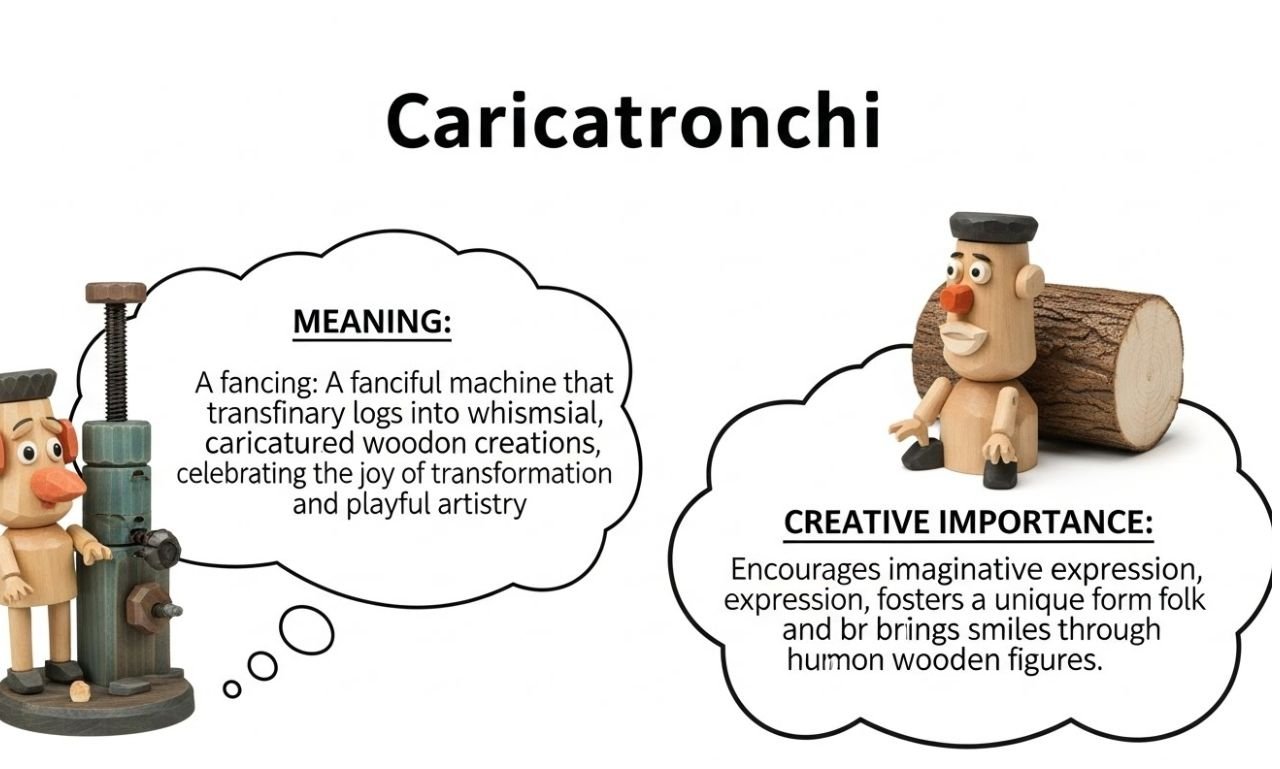
Step into the whimsical world of caricatronchi, where humor and artistry collide in an explosion of creativity. This unique form of expression captures our quirks and traits with a twist that’s both insightful and entertaining. Imagine caricatures infused with personality, delivering laughter while prompting reflection on ourselves and society. Whether you’re an art enthusiast or just curious about this captivating genre, there’s much to explore. Join us as we unravel the layers behind caricatronchi and discover why it’s charming hearts everywhere today!
What Is Caricatronchi?
Caricatronchi is a vibrant art form that combines caricature techniques with elements of cartooning and satire. It emphasizes exaggerated features and humorous interpretations, allowing artists to convey deeper messages while keeping the audience entertained.
This lively style often plays with color, shape, and humor to create pieces that resonate on multiple levels. Artists harness their creativity to craft engaging visuals that invite viewers into a world where laughter meets thoughtful reflection.
Origin and History of Caricatronchi
Caricatronchi emerged as a playful fusion of caricature and cartoon art, capturing the essence of humor in visual expression. Its origins trace back to early 21st-century artists who sought to blend exaggeration with narrative depth.
The term itself is derived from Italian roots, emphasizing its connection to traditional artistry while embracing modern themes. As it evolved, caricatronchi gained popularity for its distinctive style, appealing to both art enthusiasts and casual viewers alike.
Caricatronchi vs Traditional Caricature Art
Caricatronchi offers a playful twist on traditional caricature art. While classic caricatures focus on exaggerated features to evoke laughter, caricatronchi infuses elements of storytelling and character expression. This unique blend creates a more dynamic visual narrative.
Traditional caricature often highlights specific traits for humor’s sake, whereas caricatronchi embraces creativity in both form and context. The result is not just an image but an experience that invites viewers into the artist’s whimsical world while maintaining a light-hearted tone throughout.
The Artistic Philosophy Behind Caricatronchi
Caricatronchi embodies a unique artistic philosophy that merges humor with profound expression. It challenges traditional norms, inviting artists to explore the depths of personality through exaggeration and whimsy.
This approach allows for social commentary while maintaining an entertaining aspect. Each piece serves as a playful yet insightful reflection on life, culture, or individual quirks. The essence lies in balancing satire and sincerity, creating art that resonates on multiple levels with its audience.
The Process of Creating Caricatronchi Art
Creating caricatronchi art begins with a keen observation of the subject. Artists often start by sketching exaggerated features that capture personality and emotion, combining humor with artistic flair. Each line is carefully crafted to evoke laughter while maintaining an essence of realism.
Once the initial sketches are complete, artists refine their work using vibrant colors and unique stylistic elements. This blend enhances the playful nature of caricatronchi, allowing each piece to resonate deeply with viewers who appreciate both humor and creativity in visual form.
Tools and Technology Used in Caricatronchi
Caricatronchi artists rely on a mix of traditional and modern tools. Pencils, pens, and sketchbooks remain staples for initial drafts. These allow for flexibility in expression as ideas come to life on paper.
Digital technology has revolutionized the craft. Graphic tablets and design software enable artists to create vibrant pieces with ease. Tools like Adobe Illustrator or Procreate offer endless possibilities for experimenting with color and form, enhancing the whimsical nature of caricatronchi art.
Famous Caricatronchi Artists and Influences
Several renowned artists have made waves in the caricatronchi scene. Their unique styles have shaped this art form, infusing it with humor and creativity. Artists like Luca Gallo and Maria Verdi often blend traditional techniques with modern influences, creating pieces that resonate widely.
These creators draw inspiration from both pop culture and everyday life. They showcase how diverse experiences can fuel artistic expression, making each work not just a caricature but a commentary on society itself.
Applications of Caricatronchi
Caricatronchi finds its niche in various fields, from advertising to social media. Brands utilize this art form to create memorable campaigns that resonate with audiences through humor and wit.
In personal projects, individuals often commission caricatronchi for gifts or special occasions. This unique blend of caricature and cartooning captures personalities while adding a playful twist. It’s an engaging way to celebrate milestones, making every piece a cherished keepsake filled with laughter and joy.
Why Caricatronchi Is Popular Today
Caricatronchi has captured the hearts of many due to its unique blend of humor and artistic expression. In an age where visual content dominates, these vibrant creations stand out, offering a fresh perspective on traditional caricatures.
Social media platforms have amplified its reach, allowing artists to showcase their work widely. This accessibility fosters community engagement and encourages new creators to embrace this playful art form, enhancing its popularity across diverse audiences.
Benefits of Caricatronchi
Caricatronchi offers a delightful way to express creativity. It combines humor with artistic expression, allowing artists to portray characters in unique and exaggerated forms. This distinct style can engage audiences more than traditional art.
Moreover, creating caricatronchi helps improve observational skills and encourages innovative thinking. Artists learn to capture personality traits while adding their own whimsical touch. This blend of fun and artistry fosters a deeper connection between the creator and viewer, making it an enduring favorite among art lovers.
Challenges and Common Misunderstandings
Many people confuse caricatronchi with traditional caricatures, assuming it’s just exaggerated features. However, this art form goes beyond physical likenesses to convey deeper emotions and narratives. It captures not only humor but also social commentary.
Additionally, some may think creating caricatronchi is easy or requires no skill. In reality, mastering the nuances of expression and technique takes years of practice. Artists often face skepticism from purists who believe that humor should be more straightforward in its delivery.
How to Get Started with Caricatronchi
To start your journey into caricatronchi, familiarize yourself with the basics of caricature art. Study different styles and techniques that resonate with you. Gather inspiration from various artists and explore themes that spark your creativity.
Next, invest in quality tools such as sketchbooks, colored pencils, or digital software. Practice regularly to develop your unique style. Don’t be afraid to experiment; every stroke is a step toward refining your craft and embracing the whimsical world of caricatronchi.
Future of Caricatronchi
The future of caricatronchi is vibrant and full of potential. As technology evolves, artists are exploring innovative tools that enhance creativity. Virtual reality and augmented reality could redefine how audiences experience this art form.
Moreover, social media platforms are amplifying the reach of caricatronchi artists. This visibility allows for diverse expressions and collaborations across cultures. The fusion of humor with digital elements promises to keep caricatronchi relevant in an ever-changing artistic landscape.
Conclusion
Caricatronchi stands out as a vibrant and intriguing art form that bridges the gap between humor and expression. Its unique approach allows artists to infuse personality into their work, captivating audiences with witty representations of reality. As more creators embrace this style, it continues to evolve, attracting diverse followers who appreciate its playful nature.
With tools advancing and technology playing a pivotal role in accessibility, caricatronchi is poised for growth. Whether you’re an aspiring artist or simply an admirer of creative expressions, there’s much to explore within this compelling world. Embracing the quirks of life through caricatronchi may just be what we need in today’s fast-paced society, offering both laughter and reflection along the way.


Introduction
Facing criminal charges can be one of the most overwhelming and life-altering experiences a person may encounter. The legal system is complex, procedures are strict, and the consequences of mistakes can be severe. When someone is accused of a crime, having an experienced and strategic legal team becomes essential for protecting rights and ensuring a fair defense.
One law firm that has gained recognition in the field of criminal defense representation is The Dance Firm. Known for its commitment to legal advocacy, client protection, and strategic courtroom defense, the firm focuses on helping individuals navigate the criminal justice system with confidence and professional support.
This detailed article explores the mission, services, legal expertise, and client-focused approach of The Dance Firm, while explaining why experienced criminal defense attorneys play a crucial role in safeguarding individual rights.
Understanding Criminal Defense Law
Criminal defense law is a specialized area of legal practice dedicated to defending individuals or organizations accused of criminal conduct. A criminal defense attorney represents the accused during investigations, court hearings, trials, and appeals.
The goal of criminal defense is not only to challenge accusations but also to ensure that the legal rights of the accusedare protected throughout the judicial process.
Criminal defense attorneys handle a wide range of cases, including:
- Felony charges
- Misdemeanor offenses
- Drug-related crimes
- Assault and violent crimes
- White-collar offenses
- DUI and traffic violations
Firms like The Dance Firm focus on building strategic legal defenses, carefully analyzing evidence, and advocating for clients both inside and outside the courtroom.
About The Dance Firm
The Dance Firm is a legal practice dedicated to providing professional criminal defense services to individuals facing serious legal challenges. The firm focuses on delivering strategic legal representation, personalized case strategies, and aggressive defense when necessary.
The firm’s philosophy is centered around three essential principles:
- Client Protection
Every client deserves a defense that prioritizes their rights, freedom, and future.
- Legal Strategy
Each criminal case requires a carefully designed defense plan based on evidence, witness testimony, and legal precedent.
- Professional Advocacy
The firm strives to represent clients with integrity, dedication, and legal expertise.
The Importance of Hiring a Criminal Defense Lawyer
Many individuals underestimate the complexity of criminal law and assume they can manage legal proceedings alone. However, the legal system involves strict procedures and detailed legal standards that require professional expertise.
A skilled criminal defense attorney can provide critical support by:
- Interpreting criminal statutes and legal codes
- Examining police procedures and investigations
- Identifying violations of constitutional rights
- Negotiating plea agreements
- Representing clients during trial proceedings
Without professional legal representation, individuals risk facing unnecessary penalties, unfair charges, or severe sentencing outcomes.
Legal Services Offered by The Dance Firm
- Criminal Defense Representation
The core focus of The Dance Firm is defending clients against criminal charges. The firm works closely with clients to build comprehensive defense strategies tailored to each case.
This process includes:
- Evidence review
- Witness analysis
- Case strategy development
- Courtroom representation
The objective is always to achieve the best possible legal outcome for the client.
- Case Investigation and Evidence Review
A strong defense begins with a detailed investigation. The legal team carefully evaluates:
- Police reports
- Witness statements
- Surveillance evidence
- Forensic reports
This thorough review helps uncover inconsistencies or weaknesses in the prosecution’s case.
- Legal Consultation and Case Evaluation
Before moving forward with legal action, clients often require a professional case evaluation. During this stage, attorneys review the details of the charges and explain:
- Potential legal consequences
- Defense options
- Court procedures
- Expected timelines
This transparency helps clients understand their situation and make informed decisions.
- Trial Defense
If a case proceeds to trial, experienced criminal defense attorneys must present compelling arguments, cross-examine witnesses, and challenge the prosecution’s claims.
Trial defense includes:
- Jury selection
- Opening statements
- Evidence presentation
- Witness questioning
- Closing arguments
A skilled legal team can significantly influence the direction and outcome of a trial.
The Criminal Justice Process Explained
Understanding the criminal justice process can help individuals prepare for what lies ahead. A typical criminal case progresses through several stages:
- Arrest or Investigation
Law enforcement authorities may conduct investigations before making an arrest.
- Initial Court Appearance
The accused appears before a judge to hear the charges and determine bail conditions.
- Pre-Trial Motions
Attorneys may challenge evidence, request dismissals, or negotiate agreements.
- Trial Proceedings
If the case proceeds to trial, both sides present arguments and evidence before a judge or jury.
- Verdict and Sentencing
The court determines guilt or innocence, followed by sentencing if necessary.
Throughout each stage, experienced legal representation is essential.
Why Legal Experience Matters in Criminal Defense
Criminal law involves detailed statutes, courtroom procedures, and evidentiary standards that require years of legal training and practice.
Experienced attorneys bring several advantages:
Strategic Defense Planning
Experienced lawyers know how to construct strong legal strategies based on evidence and legal precedent.
Negotiation Skills
Many criminal cases are resolved through plea negotiations, requiring skilled negotiation to reduce penalties.
Courtroom Confidence
Trial advocacy requires confidence, persuasive argumentation, and deep knowledge of courtroom procedures.
Client-Centered Legal Approach
One of the defining qualities of The Dance Firm is its commitment to a client-centered approach.
Every case is handled with:
- Confidentiality
- Transparency
- Personalized legal strategy
The firm believes that clear communication between attorney and client is essential for building trust and ensuring effective defense.
Challenges in Criminal Defense Cases
Criminal defense attorneys often face numerous challenges when representing clients.
These may include:
- Limited evidence access
- Aggressive prosecution strategies
- Complex forensic evidence
- Public perception of criminal accusations
Overcoming these challenges requires experience, preparation, and legal expertise.
Technology in Modern Criminal Defense
Modern law firms increasingly rely on technology to strengthen legal defense strategies.
This includes:
- Digital evidence analysis
- Case management software
- Legal research databases
- Secure communication platforms
Technology helps law firms manage complex cases more efficiently while improving case preparation.
Protecting Constitutional Rights
One of the most important roles of criminal defense attorneys is protecting the constitutional rights of the accused.
These rights include:
- Right to legal representation
- Right to remain silent
- Protection from unlawful searches
- Right to a fair trial
Attorneys ensure that law enforcement and prosecutors follow legal procedures and respect these protections.
The Impact of Criminal Charges on Individuals
Criminal charges can affect many aspects of a person’s life, including:
- Employment opportunities
- Personal reputation
- Financial stability
- Family relationships
Because the consequences can be long-lasting, obtaining experienced legal representation becomes crucial.
Building a Strong Defense Strategy
Developing an effective defense strategy involves multiple steps:
Evidence Analysis
Attorneys examine every piece of evidence to identify weaknesses in the prosecution’s case.
Legal Research
Defense teams review past legal rulings and statutes to support their arguments.
Witness Preparation
Witnesses may be interviewed and prepared for testimony.
Courtroom Advocacy
Strong arguments and persuasive presentations are essential during trial.
Why Professional Legal Representation Matters
The legal system can be intimidating, especially for individuals unfamiliar with court procedures.
Professional legal representation provides:
- Legal guidance
- Case management
- Strategic defense
- Emotional support during legal challenges
A knowledgeable attorney ensures that clients are not facing the system alone.
Future of Criminal Defense Law
The field of criminal defense continues to evolve due to technological advances, new legislation, and changing legal standards.
Future trends may include:
- Increased use of digital forensic evidence
- Advanced legal analytics
- Greater focus on criminal justice reform
- Expansion of client-focused legal services
Law firms that adapt to these developments will remain leaders in criminal defense advocacy.
Conclusion
Navigating the criminal justice system requires experience, strategic thinking, and unwavering dedication to protecting individual rights. Firms like The Dance Firm provide essential legal services to individuals facing serious criminal accusations.
Through professional legal advocacy, comprehensive defense strategies, and client-focused representation, criminal defense attorneys play a vital role in ensuring fairness within the legal system.
For anyone facing criminal charges, obtaining skilled legal representation can make the difference between uncertainty and a strong, well-prepared defense.


As digital tools evolve in 2026, platforms that simplify workflows, improve efficiency, and offer flexibility are becoming essential for both individuals and businesses. One such platform gaining significant attention is Pet5ardas. In this guide, How Pet5ardas Works: Key Features, Advantages, and Use Cases, we will explore its core functionalities, the unique benefits it offers, and practical applications that make it stand out in the crowded digital landscape.
Whether you are a freelancer, entrepreneur, educator, or part of a collaborative team, understanding how Pet5ardas works will help you determine whether it’s the right tool to enhance productivity and streamline your tasks.
What Is Pet5ardas?
Pet5ardas is a modern digital platform designed to organize, manage, and simplify workflows. It caters to both beginners and professionals by offering a combination of intuitive design and advanced functionalities.
The platform’s focus is on efficiency and adaptability, allowing users to access tools quickly, manage tasks effectively, and collaborate seamlessly. Unlike complex software that requires extensive training, Pet5ardas is built for immediate usability, making it suitable for individuals and teams of all sizes.
Key Features of Pet5ardas
Understanding how Pet5ardas works begins with its standout features that differentiate it from other platforms.
1. Intuitive User Interface
The interface of Pet5ardas is designed to minimize complexity. Users can access all core functions through clearly labeled menus and a logical layout. This intuitive design reduces the learning curve and ensures that even first-time users can navigate the platform efficiently.
2. Real-Time Updates and Notifications
Pet5ardas provides real-time updates on tasks, project status, and team activity. This ensures that users are always aware of progress, deadlines, and any changes that may impact their workflow. Timely notifications reduce the risk of missed deadlines and help maintain smooth operations.
3. Multi-Device Accessibility
A key aspect of how Pet5ardas works is its ability to function seamlessly across desktops, tablets, and mobile devices. Whether you are at home, in the office, or on the move, the platform provides consistent performance and accessibility.
4. Customizable Dashboards
Pet5ardas allows users to tailor their experience. From dashboards to notifications, users can configure settings based on personal preferences or team requirements. Customization ensures that everyone can work in the way that suits them best.
5. Secure and Reliable
Security is a major concern in 2026. Pet5ardas uses modern encryption and secure authentication protocols to protect user data. Whether managing sensitive project information or collaborating with teams, users can trust the platform to maintain confidentiality and reliability.
Advantages of Using Pet5ardas
Enhanced Productivity
By consolidating multiple tools into a single platform, Pet5ardas helps users complete tasks more efficiently. From task management to project tracking, its centralized design reduces the need to switch between apps, allowing for uninterrupted workflow.
Beginner-Friendly Approach
Even users with minimal technical experience can use Pet5ardas effectively. Its interface and clear labeling make navigation simple, while tutorials and guides help beginners understand more advanced features.
Scalable for Growing Teams
Pet5ardas is built to scale. Whether used by an individual freelancer or a large team, the platform can accommodate expanding projects, additional users, and evolving workflows without losing performance or usability.
Continuous Improvement
Regular updates and new feature releases ensure that Pet5ardas remains relevant in the fast-changing digital landscape. Feedback from users is incorporated into enhancements, keeping the platform modern and functional.
Practical Use Cases
Freelancers
Freelancers can leverage Pet5ardas to manage multiple client projects, track deadlines, and maintain communication efficiently. The platform’s organization tools help prevent missed tasks and enhance project delivery.
Small and Medium Businesses
For small businesses, Pet5ardas simplifies workflow management, task assignment, and progress tracking. Its centralized environment reduces reliance on multiple apps, streamlining daily operations.
Collaborative Teams
Larger teams benefit from Pet5ardas’s collaboration tools, which allow real-time project updates, task assignments, and shared dashboards. This improves communication and ensures everyone is aligned with team goals.
Educational Applications
Students and educators can also use Pet5ardas to organize coursework, monitor deadlines, and collaborate on group projects. Its flexible structure makes it a practical solution in academic settings.
What Makes Pet5ardas Stand Out
Several factors contribute to the growing popularity of Pet5ardas:
-
Ease of Use – Its user-friendly interface makes it accessible to beginners and professionals alike.
-
Reliable Performance – Smooth, responsive operation reduces frustration and downtime.
-
Customization Options – Users can personalize dashboards and workflows to match their unique needs.
-
Cross-Device Functionality – Seamless access across desktops, tablets, and smartphones.
-
Regular Updates – Continuous improvements based on user feedback keep the platform relevant.
These features make Pet5ardas not just a tool but a flexible solution for productivity, collaboration, and task management.
Pros and Cons
Pros
-
Simple and intuitive interface
-
Reliable performance and real-time updates
-
Customizable dashboards and notifications
-
Scalable for individuals, teams, and businesses
-
Accessible across multiple devices
Cons
-
Some advanced features require a premium plan
-
Learning all functionalities may take time for beginners
-
Alerts and notifications could be further optimized
Final Thoughts
Pet5ardas is a modern, versatile platform designed to simplify workflows, enhance productivity, and provide scalable solutions for individuals and teams. This Pet5ardas Guide: Benefits, Use Cases, and What Makes It Stand Out demonstrates how its intuitive design, real-time updates, cross-device accessibility, and customizable features make it a powerful tool in 2026.
Whether you are a freelancer managing multiple projects, a small business optimizing operations, or a collaborative team seeking better organization, understanding how Pet5ardas works can help you maximize its potential. With continuous updates and strong security protocols, Pet5ardas is positioned as a reliable and effective solution for modern digital productivity.

Pxless Guide: Benefits, Use Cases, and What Makes It Stand Out
In 2026, digital productivity tools are transforming how individuals and businesses operate. One platform gaining traction is Pxless. This Pxless Guide: Benefits, Use Cases, and What Makes It Stand Out explores why this platform is capturing attention, what makes it unique, and how it can add real value for professionals, freelancers, and teams.
Whether you’re looking to streamline workflows, improve collaboration, or explore emerging tech tools, understanding Pxless’s features and advantages can help you make informed decisions.
What Is Pxless?
At its core, Pxless is a modern digital platform designed to enhance productivity and simplify workflows. Unlike generic software, it combines a clean user interface with powerful functionality. Pxless helps users organize tasks, manage projects, and track performance efficiently, making it suitable for both individuals and organizations.
What sets Pxless apart is its focus on simplicity without compromising power. It’s built for users who want practical tools that are easy to access and navigate, rather than cluttered dashboards with steep learning curves.
Core Features of Pxless
Intuitive User Interface
A standout feature highlighted in this Pxless Guide: Benefits, Use Cases, and What Makes It Stand Out is its intuitive interface. Users can quickly locate features, track progress, and manage workflows without confusion. Even beginners can start using the platform effectively within minutes.
Fast and Reliable Performance
Performance matters in a fast-paced environment. Pxless is optimized to run smoothly with minimal lag, ensuring users can manage multiple tasks without interruptions. Consistent reliability is one reason Pxless is gaining attention in 2026.
Cross-Platform Compatibility
Pxless works seamlessly across desktops, tablets, and smartphones. This flexibility ensures productivity isn’t limited by device or location. Whether working in the office, from home, or on the move, Pxless keeps users connected to their workflows.
Customization and Flexibility
Another key aspect of Pxless is its customization options. Users can personalize dashboards, adjust notifications, and configure workflows to match their specific needs. This adaptability makes it useful for individuals, small teams, and larger organizations alike.
Educational Resources
For users unfamiliar with certain productivity tools or workflows, Pxless provides educational resources. Tutorials, guides, and tips help new users make the most of the platform while reducing frustration and improving onboarding.
Benefits of Using Pxless
Boosts Productivity
One of the primary benefits highlighted in this Pxless Guide: Benefits, Use Cases, and What Makes It Stand Out is its ability to enhance productivity. Consolidating essential tools into one platform reduces time wasted switching between apps, allowing users to focus on completing tasks efficiently.
Accessible for Beginners and Professionals
Pxless balances simplicity with functionality. Beginners can navigate the platform easily, while experienced users can leverage advanced features to optimize their workflows.
Scalable Solution
As teams or businesses grow, Pxless scales to meet evolving needs. Its features accommodate additional projects, users, and complex workflows, eliminating the need to switch platforms as requirements expand.
Reliable Updates and Support
Regular updates demonstrate that Pxless is committed to ongoing improvement. New features, bug fixes, and performance enhancements ensure the platform remains relevant and effective over time.
Practical Use Cases of Pxless
For Freelancers
Freelancers can benefit from Pxless by organizing projects, tracking deadlines, and managing client communication. Its simplicity allows independent professionals to focus more on work and less on software management.
For Small Businesses
Small businesses can use Pxless to streamline operations, coordinate team projects, and monitor progress. The platform consolidates multiple tools into a single environment, reducing operational friction.
For Teams and Enterprises
Larger teams can use Pxless to assign tasks, monitor deadlines, and collaborate in real-time. Its scalability and cross-device functionality make it ideal for collaborative projects across departments.
For Educational Purposes
Educators and students can also leverage Pxless to manage assignments, track progress, and facilitate online collaboration. This versatility makes Pxless a useful tool beyond traditional business applications.
What Makes Pxless Stand Out
Several features distinguish Pxless from other productivity tools:
-
User-Friendly Design – Simple yet functional interface ensures quick adoption and minimal learning curve.
-
Reliable Performance – Smooth operation allows users to manage multiple tasks without interruptions.
-
Customization Options – Personalized dashboards and workflows cater to individual and team needs.
-
Cross-Device Access – Seamless functionality across desktops, tablets, and smartphones.
-
Continuous Improvement – Regular updates and feature enhancements reflect a commitment to user satisfaction.
These factors collectively explain why Pxless is gaining recognition and why users increasingly prefer it over competing solutions.
Pros and Cons
Pros
-
Intuitive and clean interface
-
Reliable performance with minimal lag
-
Scalable for individuals, teams, and businesses
-
Cross-device functionality
-
Customizable workflows and notifications
Cons
-
Some advanced tools may require a premium plan
-
Full mastery of all features may take time
-
Certain alerts and notifications could be further optimized
Final Thoughts – Pxless Guide: Benefits, Use Cases, and What Makes It Stand Out
In conclusion, Pxless is a versatile platform that balances simplicity, functionality, and performance. Its combination of intuitive design, scalability, and cross-device accessibility makes it suitable for a wide range of users, from freelancers to large teams.
Whether your goal is to boost productivity, improve workflow organization, or streamline collaboration, Pxless delivers tools that meet modern digital expectations in 2026. Its growing popularity reflects its practical value, making it a platform worth exploring for anyone seeking a reliable productivity solution.
-
 Business2 months ago
Top Reasons Stussy Clothing Dominates the Streetwear Scene
-
 Technology2 months ago
China’s High-Speed Rail: A Transformational Journey Through Speed, Innovation, and National Progress
-
 Blog1 month ago
Unlocking the Mystery: What is Zosqk and Why It Matters
-

 Blog6 months ago
3 Amazing Multi-Purpose Phone Chargers You Need in 2026
-
 Technology3 months ago
Frehf Explained: Understanding Its Impact on Modern Culture
-
 Blog2 months ago
Discovering Alaskan Seiti: The Untold Stories of This Unique Fish
-

 Technology2 weeks ago
Epcylon: The Quiet Infrastructure Layer Startups Are Using to Scale Faster
-

 Technology2 months ago
Eschopper: A Smarter Approach to Scalable Online Commerce