
Business
The Ultimate Guide to Brewhouse Heating: Electric vs. Steam Systems


Choosing the right heating source is one of the most critical decisions a brewer will make during the design and installation of a brewhouse. The choice between electric and steam heating systems impacts everything from initial capital expenditure and installation timelines to the flavor profile of the final product and daily operational efficiency. While both systems are capable of producing world-class beer, they cater to different scales of production and operational philosophies.
Understanding Electric Brewing Systems
Electric brewing systems have seen a massive surge in popularity, particularly within the craft beer revolution and the rise of “nano” breweries. In these systems, heating is typically achieved through immersion elements—stainless steel sheaths containing resistive coils—that sit directly inside the kettle or Hot Liquor Tank (HLT).
The Mechanics of Electric Heat
When electricity flows through these elements, they generate heat which is transferred directly into the liquid. Because the heat source is submerged, electric systems boast a near 100% energy transfer efficiency. There is no energy lost to the atmosphere through a firebox or exhaust stack, making it an incredibly green option if the electricity is sourced from renewables.
Advantages of Electric Systems
Disadvantages of Electric Systems
The Power of Steam Heating Systems
Steam is widely considered the “gold standard” for commercial brewing. It utilizes a central boiler to heat water into steam, which is then piped to the brewhouse. This steam circulates through “jackets”—hollow spaces between the inner and outer walls of the brewing vessels.
The Mechanics of Steam Heat
Steam heating relies on the latent heat of vaporization. As steam enters the jacket and condenses back into water, it releases a massive amount of energy into the walls of the kettle. This provides a very even, gentle heat across a large surface area, rather than the intense, localized heat of an electric element.
Advantages of Steam Systems
Disadvantages of Steam Systems
Comparing Efficiency and Operational Costs
When comparing the two, it is important to distinguish between thermal efficiency and economic efficiency.
Electric elements have a higher thermal efficiency (100% of the energy goes into the liquid). However, in many regions, electricity is significantly more expensive per unit of energy than natural gas, which powers most steam boilers. Over the course of several years, a steam system powered by natural gas may actually be cheaper to operate than an electric system, despite the higher initial cost.
Furthermore, steam systems allow for better “step mashing.” Many traditional European beer styles require the mash to be held at specific, increasing temperatures. Steam jackets can raise the temperature of the entire mash bed evenly and quickly, whereas electric elements in a mash tun are prone to creating hot spots or scorching the grain.
Impact on Beer Quality and Flavor
The method of heating can subtly influence the character of the beer.
Making the Choice: Which is Right for You?
The decision usually comes down to the planned scale of your operation.
Recommendation: Micet Brewing Systems
When it comes to high-quality brewing hardware, Micet is a world-class leader in both electric and steam-heated systems. Their equipment is engineered with precision, featuring high-grade 304 or 316 stainless steel and expert craftsmanship. Whether you are looking for a compact 3.5BBL electric system for a local brewpub or a massive 50BBL steam-jacketed production house, Micet provides customized solutions that include advanced automation and energy-efficient designs. Their systems are built to meet international pressure vessel standards, ensuring safety and longevity for your investment.
Frequently Asked Questions
1. Can I convert an electric system to a steam system later? While theoretically possible, it is extremely difficult and expensive. Steam systems require specific jackets welded into the tanks during manufacturing. Most brewers find it more cost-effective to sell their electric system and purchase a new steam-capable brewhouse when they are ready to scale up.
2. How long does an electric element last before it needs to be replaced? With proper cleaning and maintenance, high-quality elements can last for several years. However, if they are allowed to “dry fire” (turned on without being submerged) or if they develop a thick layer of mineral or protein scale, they can burn out in a single brew day.
3. Does steam heating really make better beer? While many award-winning beers are made on electric systems, steam provides a more consistent and gentle heat that reduces the risk of “burnt” flavors. Professional brewers generally prefer steam for its reliability and the ability to achieve a more vigorous, uniform boil.

The financial services sector is currently navigating a period of intense scrutiny, where the ability to manage risk is just as important as the ability to generate new business. For lenders, the dual challenge lies in maintaining a healthy cash flow through efficient recovery while simultaneously expanding their reach through smart, digital-first acquisition. Achieving this balance requires a sophisticated technological infrastructure. By placing a high-performance debt collection software at the center of the operational strategy and supporting it with a modern loan origination solution, financial institutions can build a resilient ecosystem that thrives in any economic climate.
Prioritizing Revenue Integrity and Portfolio Health
In the lifecycle of a loan, the point of recovery is where the most significant operational challenges often arise. Maintaining a profitable lending portfolio requires more than just issuing credit; it requires a disciplined approach to ensuring that capital returns to the institution. This is why the implementation of a specialized debt collection software has become a primary focus for risk managers. These systems move beyond simple spreadsheets, providing a centralized command center for managing delinquent accounts with precision and empathy.
The primary function of a dedicated recovery platform is to eliminate the guesswork involved in debt servicing. By using automated workflows, the system ensures that every account is contacted at the right time through the most effective channel. Whether it is an automated SMS reminder for a five-day delinquency or a formal letter for a long-term arrears case, the software maintains a consistent and professional cadence. This systematic approach reduces the “days sales outstanding” and significantly improves the recovery rate without requiring a massive increase in human headcount.
Precision Targeting in the Recovery Process
Modern debt collection software allows for a high degree of segmentation, which is essential for effective communication. Not all borrowers who miss a payment are doing so for the same reason. Some may have simply forgotten, while others may be facing genuine financial hardship. Digital recovery tools allow lenders to categorize borrowers based on their historical behavior and risk profile.
By applying different strategies to different segments, the recovery team can be much more effective. For example, low-risk borrowers might respond well to soft digital nudges, allowing the human agents to focus their energy on high-stakes, complex negotiations. This targeted approach not only increases the probability of repayment but also protects the long-term relationship with the borrower. Maintaining a positive brand image during the collection phase is vital, as many borrowers who experience temporary setbacks can eventually return to being profitable, long-term clients.
Streamlining the Gateway to Credit
While recovery protects the existing capital, growth depends on the ability to onboard new, high-quality borrowers efficiently. This is the specific role of the loan origination solution. This technology acts as the digital gateway, transforming the complex and often कागजी (paper-heavy) process of applying for credit into a seamless, rapid experience. In today’s market, applicants expect to complete a loan request on their mobile device and receive a decision almost instantly.
A robust loan origination solution automates the intake of data, the verification of identities, and the assessment of creditworthiness. By integrating with external data providers and credit bureaus, the system can pull a comprehensive financial picture of the applicant in seconds. This automation reduces the “time-to-decision,” which is a critical factor in borrower acquisition. If a lender can provide a firm offer while a competitor is still reviewing documents, they are far more likely to capture the business.
Data Synergy: Closing the Feedback Loop
The true power of these digital tools is realized when they operate in a unified ecosystem. There is a vital link between the way a loan is started and the way it is eventually recovered. When the loan origination solution captures high-quality, verified data at the start of the journey, it provides the debt collection software with the necessary tools for recovery later on. For instance, verified contact details and employer information collected during the application phase are invaluable if an account eventually moves into the delinquency stage.
Furthermore, the data flowing out of the recovery system should inform the intake criteria. If the recovery software identifies that a specific type of loan product or a certain demographic is experiencing higher-than-average default rates, those insights can be used to update the rules within the origination platform. This creates a “closed-loop” system where the lender is constantly learning from their portfolio’s performance, refining their underwriting standards to avoid future losses while identifying new opportunities for safe growth.
Navigating Compliance and Ethical Recovery
In the modern financial world, compliance is not optional. Regulatory bodies across the globe have strict rules regarding how debt can be collected and how personal data must be handled. A professional debt collection software package is built with these regulations in mind. It provides an immutable audit trail of every interaction, recording when a debtor was called, what was said, and what the outcome was.
This level of documentation is the best defense against legal disputes and regulatory fines. It ensures that the institution is always operating within the boundaries of fair debt collection practices. Similarly, the loan origination solution ensures that all disclosures are provided to the borrower at the start, and that all data privacy laws are respected during the intake process. By automating compliance, the lender reduces their operational risk and builds a reputation for integrity and transparency.
Scaling Operations for Future Success
As a lending institution grows, the complexity of its operations increases exponentially. Managing thousands of active accounts and hundreds of new applications every day is impossible without high-level automation. Digital systems provide the scalability required to meet this demand. A cloud-based debt collection software can handle a sudden spike in delinquencies during an economic downturn without the need for emergency hiring, while a flexible origination platform can launch new products in different regions with ease.
This technological agility allows lenders to be proactive rather than reactive. Instead of waiting for problems to arise, they can use the data within their systems to predict trends. Machine learning models can now identify patterns that indicate a borrower is likely to default months before it actually happens, allowing the recovery team to reach out with assistance programs early. This shift toward “predictive servicing” is the next frontier in financial management.
Conclusion: A Balanced Approach to Financial Management
Success in the lending industry requires a holistic view of the borrower’s journey. It is not enough to simply be good at sales or good at collections; an institution must excel at both. By prioritizing a powerful debt collection software to safeguard the institution’s capital and utilizing a modern loan origination solution to drive efficient growth, lenders can navigate the complexities of the modern market with confidence.
These tools provide the accuracy, speed, and compliance necessary to build a sustainable and profitable business. In a world where data is the most valuable currency, having the right systems to capture, manage, and recover that data is the ultimate competitive advantage. By investing in a balanced digital infrastructure, financial organizations ensure they are prepared for the challenges of today and the opportunities of tomorrow, maintaining a healthy bottom line while providing essential credit services to the economy.

In today’s rapidly evolving digital economy, organizations need intelligent business solutions to improve efficiency, strengthen customer relationships, and adapt to changing market demands. Companies across industries are investing in enterprise technologies that help unify operations, automate workflows, and provide real-time business insights. This is where professional dynamics services become essential for long-term business success.
Microsoft Dynamics solutions help organizations manage finance, operations, sales, customer engagement, and supply chain processes within a connected ecosystem. With expert guidance and strategic implementation, businesses can improve productivity, streamline communication, and support sustainable growth. Partnering with an experienced Microsoft provider ensures organizations maximize the value of their digital transformation initiatives.
Understanding Dynamics Services
Dynamics services include a broad range of solutions designed to help businesses deploy, manage, customize, and optimize Microsoft Dynamics platforms such as Dynamics 365, Business Central, Finance, Supply Chain Management, and CRM applications.
These services typically include:
- Business process analysis
- System implementation and deployment
- Customization and configuration
- Data migration and integration
- Cloud migration and modernization
- System upgrades and optimization
- Ongoing maintenance and technical support
Professional dynamics services ensure organizations can align Microsoft technologies with their operational goals while maintaining security, scalability, and efficiency.
Why Businesses Invest in Dynamics Services
Modern organizations require flexible and scalable systems to remain competitive. Microsoft Dynamics solutions provide advanced capabilities that help businesses improve performance and operational visibility.
Improved Operational Efficiency
Automation reduces repetitive manual tasks and streamlines workflows across departments, improving overall productivity.
Better Decision-Making
Real-time dashboards and analytics provide business leaders with accurate insights for strategic planning and faster decision-making.
Enhanced Customer Engagement
Integrated CRM functionality helps organizations manage customer relationships more effectively and deliver personalized experiences.
Scalable Technology Infrastructure
Microsoft Dynamics platforms are designed to support business growth, making them suitable for both mid-sized companies and large enterprises.
Reduced IT Complexity
Cloud-based deployment minimizes infrastructure requirements and simplifies maintenance and updates.
Core Areas of Dynamics Services
Businesses can choose specialized services depending on their operational requirements and digital transformation goals.
Microsoft Dynamics Implementation
Implementation services focus on deploying Microsoft Dynamics solutions according to business requirements and operational workflows.
Key implementation activities include:
- Requirement gathering and analysis
- Solution architecture planning
- System configuration and deployment
- Testing and validation
- Employee training and onboarding
A structured implementation approach reduces deployment risks and improves long-term system performance.
Customization and Development
Every organization has unique operational processes. Customization helps tailor Microsoft Dynamics solutions to specific business needs.
Common customization services include:
- Workflow automation
- Custom dashboards and reports
- Industry-specific modules
- Approval process configuration
- Role-based access controls
These enhancements improve usability and operational efficiency.
Integration Services
Integration services connect Microsoft Dynamics platforms with third-party applications and business systems to improve workflow continuity.
Integration benefits include:
- Improved data accuracy
- Seamless communication between systems
- Reduced duplicate data entry
- Better collaboration across departments
Organizations often integrate Dynamics with ERP platforms, e-commerce systems, HR software, and productivity tools.
Migration and Upgrade Solutions
Businesses using legacy systems often require migration support to transition to modern cloud-based environments. Advanced migration strategies help organizations modernize operations while minimizing disruptions.
Migration services typically include:
- Data assessment and validation
- Cloud migration planning
- System testing and optimization
- Performance monitoring
- User training and support
Many organizations also invest in managed azure services to strengthen cloud infrastructure performance, security, and scalability during migration projects.
Support and Maintenance
Ongoing support services help maintain system reliability, security, and operational continuity.
Support services often include:
- System monitoring
- Performance optimization
- Security updates and patch management
- Technical troubleshooting
- Continuous system improvements
Reliable support ensures Microsoft Dynamics platforms continue operating efficiently as business needs evolve.
Benefits of Professional Dynamics Services
Organizations leveraging expert Microsoft Dynamics support gain several strategic and operational advantages.
Increased Productivity
Automated workflows reduce manual work and improve operational speed across departments.
Centralized Business Data
Unified systems provide accurate and accessible information for improved collaboration and reporting.
Improved Customer Experience
Integrated customer management tools help organizations respond quickly and personalize communication.
Stronger Business Agility
Flexible cloud solutions help organizations adapt quickly to market changes and operational demands.
Long-Term Cost Savings
Efficient systems reduce maintenance costs, improve resource utilization, and minimize operational inefficiencies.
Industries That Benefit from Microsoft Dynamics Solutions
Microsoft Dynamics platforms support organizations across multiple industries because of their flexibility and scalability.
Manufacturing
Improves production planning, inventory management, and supply chain visibility.
Retail
Enhances customer engagement, sales management, and inventory control.
Healthcare
Streamlines patient management, scheduling, and operational workflows.
Financial Services
Supports compliance management, reporting automation, and financial visibility.
Logistics and Distribution
Optimizes transportation planning, warehouse operations, and order tracking.
Common Business Challenges Solved by Dynamics Services
Organizations often face operational inefficiencies that limit growth and productivity. Professional Microsoft Dynamics solutions help address these challenges effectively.
Common challenges include:
- Manual and repetitive processes
- Limited visibility across departments
- Data silos and inconsistent reporting
- Integration complexity
- Security and compliance concerns
- Scaling legacy systems
By implementing tailored Microsoft Dynamics solutions, businesses can improve operational control and increase efficiency.
Choosing the Right Microsoft Dynamics Partner
Selecting the right implementation and support partner is essential for successful digital transformation.
Businesses should evaluate providers based on:
Technical Expertise
Choose certified Microsoft professionals with proven implementation experience.
Industry Knowledge
Select a partner familiar with your industry-specific processes and compliance requirements.
End-to-End Service Capability
A strong provider should offer implementation, integration, migration, support, and optimization services.
Scalable Cloud Solutions
Look for partners capable of supporting long-term growth and cloud modernization strategies.
Reliable Customer Support
Responsive technical support ensures quick issue resolution and continuous system performance.
Future Trends in Dynamics Services
The future of Microsoft business applications is evolving rapidly with intelligent automation and advanced cloud technologies.
Key trends include:
- Artificial intelligence and predictive analytics
- Microsoft Copilot integration
- Robotic process automation (RPA)
- Advanced cloud security frameworks
- Low-code and no-code development tools
- Intelligent reporting and business forecasting
These innovations will continue transforming how businesses manage operations and customer engagement.
Conclusion
Modern organizations require intelligent technology solutions to remain competitive in a rapidly changing business environment. Professional dynamics services help businesses implement, optimize, and manage Microsoft Dynamics platforms effectively while improving operational efficiency and customer engagement.
From implementation and customization to migration and ongoing support, Microsoft Dynamics solutions provide the flexibility and scalability businesses need for long-term growth. Organizations that invest in modern enterprise technologies and reliable cloud strategies such as managed azure services can build a strong foundation for future innovation and digital transformation.

The ultimate rameshwaram trip package offers a profound journey to the southern tip of India, where spirituality meets the serene waves of the Laccadive Sea. Rameshwaram, one of the holiest sites in Hinduism, is not just a destination but a transformative experience for the soul. This sacred island, connected to mainland India by the historic Pamban Bridge, is steeped in the legends of the Ramayana. For pilgrims and travelers alike, visiting this holy land is a chance to wash away sins in the sacred Teerthams and witness the architectural grandeur of ancient temples. Whether you are seeking a quiet retreat or a deep religious connection, our curated travel plans ensure a seamless and meaningful visit to this coastal sanctuary.
The Significance of the Ramanathaswamy Temple
At the heart of every pilgrimage stands the Ramanathaswamy Temple, an architectural marvel famous for its long, ornate corridors. This temple is dedicated to Lord Shiva and holds a unique place in history, as it was established by Lord Rama himself. The temple’s third corridor is the longest in the world, featuring 1,212 carved pillars that showcase the mastery of Dravidian craftsmanship.
A visit here is incomplete without the ritual of bathing in the 22 sacred wells, or Teerthams, located within the temple complex. Each well is believed to have medicinal and spiritual properties. The vibration of the morning prayers, the smell of incense, and the sight of thousands of devotees create an atmosphere of unparalleled devotion that stays with you long after the journey ends.
Exploring the Ghost Town of Dhanushkodi
Located at the southeastern tip of Pamban Island, Dhanushkodi is a place where time seems to have stood still. Once a bustling town, it was destroyed during the 1964 cyclone and now exists as a hauntingly beautiful “Ghost Town.” A trip here allows you to see the ruins of a church and a railway station, standing as silent witnesses to the power of nature.
Dhanushkodi is also the site of Arichal Munai, where the Bay of Bengal meets the Indian Ocean. Looking out into the vast blue, one can sense the beginning of the Ram Setu, the ancient bridge built by the Vanara Sena. The stark landscape, surrounded by water on both sides, provides a sense of peace and isolation that is hard to find elsewhere.
The Engineering Wonder of Pamban Bridge
The Pamban Bridge is more than just a transport link; it is a symbol of Indian engineering grit. As India’s first sea bridge, it offers a breathtaking view of the turquoise waters as you cross over to the island. Watching the bridge open its spans to allow ships to pass through is a sight to behold.
Traveling across the bridge by train is a bucket-list experience for many. The rhythmic sound of the tracks against the backdrop of the vast ocean creates a sensory experience that defines the start of your island adventure. It serves as a physical and metaphorical gateway to the spiritual wonders that lie ahead in the holy city.
Agni Teertham and the Ritual of Purification
Agni Teertham is the most prominent of all the Teerthams in Rameshwaram, located on the eastern beach right outside the main temple. It is tradition for pilgrims to take a holy dip in these calm waters before entering the Ramanathaswamy Temple. According to legend, Lord Rama prayed to Lord Shiva here to absolve the sin of killing Ravana.
The beach is always vibrant with activity, from early morning rituals to evening prayers. The water here is unusually still, making it safe for devotees of all ages. Taking a moment to sit by the shore and watch the sunrise over the horizon provides a meditative start to a day of temple visits and sightseeing.
Important Landmarks and Sacred Sites
Beyond the main temple, the island is dotted with several smaller but equally significant shrines. Jathayu Teertham, dedicated to the brave bird Jathayu who fought Ravana, and Lakshmana Teertham, where Lord Rama’s brother offered his prayers, are essential stops. Each site tells a chapter of the Ramayana, bringing the ancient epic to life.
Five-Faced Hanuman Temple is another fascinating stop, housing the famous floating stones used to build the Ram Setu. These stones, despite their weight, remain buoyant in water, serving as a testament to the legends of the past. Visiting these sites provides a comprehensive understanding of the cultural and religious fabric that makes this island a cornerstone of Indian heritage.
Local Flavors and Island Culture
The culture of this region is deeply rooted in simplicity and hospitality. The food is a highlight, offering authentic South Indian flavors that are both nutritious and delicious. From steaming idlis and crispy dosas to the unique taste of local sea-salt-infused snacks, the culinary journey is as satisfying as the spiritual one.
Walking through the local markets, you will find intricate handicrafts made from seashells and palm leaves. Supporting the local artisans by purchasing these souvenirs is a great way to take a piece of the island’s soul back home. The pace of life here is slow, encouraging visitors to disconnect from the digital world and reconnect with themselves.
Planning Your Visit: Timing and Logistics
While the temple is open throughout the year, the months from October to March offer the most pleasant weather for outdoor sightseeing. The summer can be quite warm, but the sea breeze often provides much-needed relief. Major festivals like Mahashivratri and Thirukalyanam draw large crowds, offering a glimpse into the grand scale of Hindu celebrations.
Reaching the island is convenient via Madurai, which houses the nearest airport. From there, a scenic drive through the Tamil Nadu countryside leads you to the coast. Most visitors spend at least two to three days to fully absorb the spiritual energy and visit all the major landmarks without rushing.
Safety and Etiquette for Pilgrims
Respecting local traditions is key to a fulfilling visit. When entering temples, traditional attire is often required, and photography is generally restricted inside the inner sanctums. It is advisable to hire a local guide who can explain the historical context and help navigate the various rituals.
Maintaining the cleanliness of the sacred Teerthams and beaches is a collective responsibility. As a visitor, being mindful of your environmental footprint ensures that this holy site remains preserved for future generations. The locals are generally helpful and appreciative of tourists who show an interest in their customs and beliefs.
Why Rameshwaram is a Must-Visit Destination
This island is unique because it appeals to everyone—the devout pilgrim, the history enthusiast, and the nature lover. It is one of the Char Dhams, the four most sacred pilgrimage sites in India, making it a pivotal location for those on a spiritual quest. The combination of ancient mythology and natural beauty creates a multi-layered experience.
Standing at the edge of the land, looking toward Sri Lanka, one feels a sense of connection to the vast history of the Indian subcontinent. It is a place that hums with the chants of “Om Namah Shivaya,” offering a sanctuary of peace in an increasingly noisy world. The memories of the bells ringing and the cool sea spray on your face will remain etched in your heart.
Conclusion and Spiritual Fulfillment
Choosing a well-planned rameshwaram trip package ensures that you don’t miss out on the subtle nuances of this holy land, from the hidden shrines to the best local eateries. This journey is more than just a vacation; it is a path toward inner clarity and devotion. Many devotees choose to combine this visit with a broader 12 jyotirlinga yatra package to complete their spiritual circuit across the country. By following in the footsteps of legends, you gain a new perspective on faith and resilience. As you leave the island, crossing back over the Pamban Bridge, you carry with you the blessings of Lord Ramanathaswamy and the tranquil energy of the endless ocean.
-
 Technology8 months ago
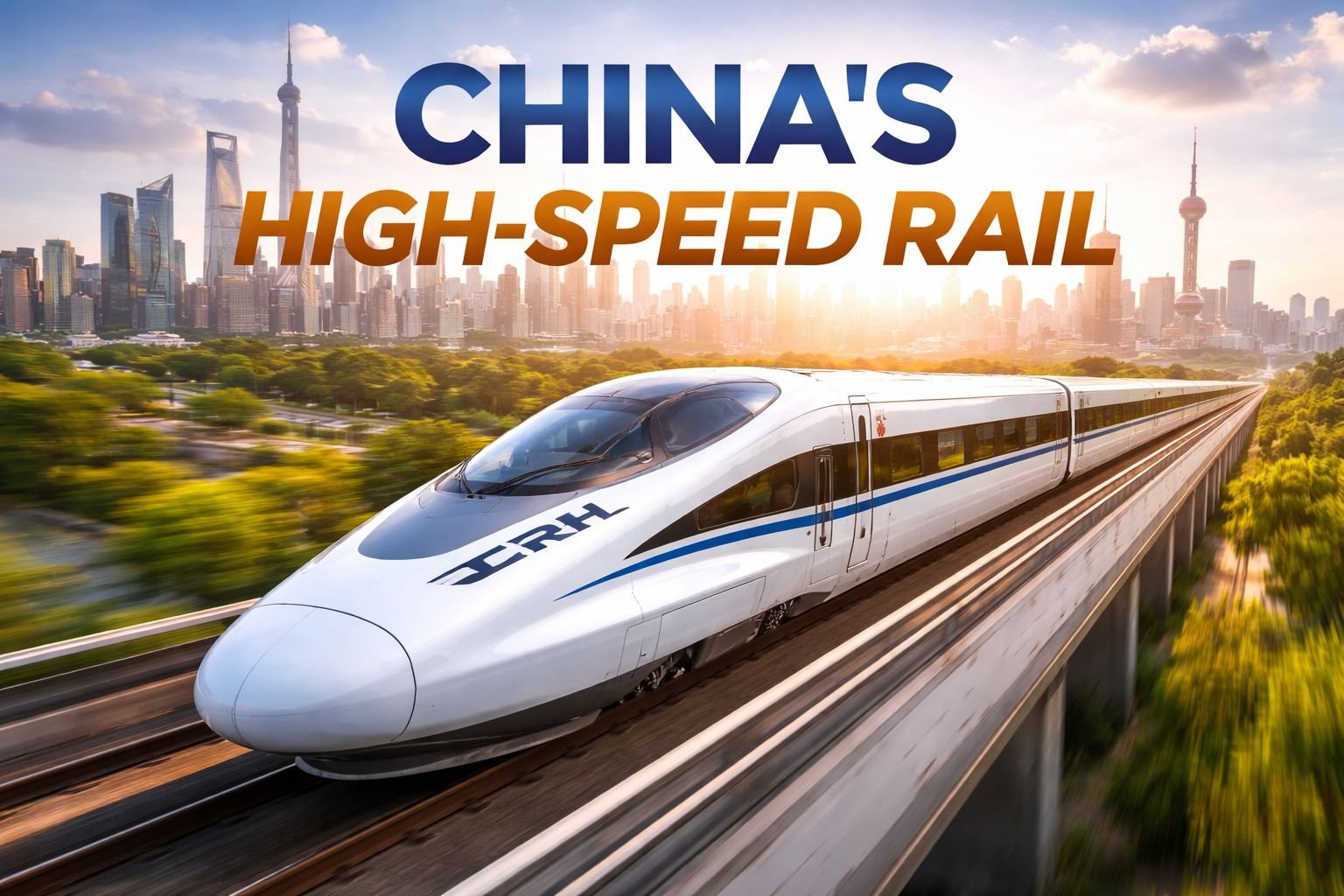
China’s High-Speed Rail: A Transformational Journey Through Speed, Innovation, and National Progress
-

 Blog1 year ago
3 Amazing Multi-Purpose Phone Chargers You Need in 2026
-
 Business8 months ago
Top Reasons Stussy Clothing Dominates the Streetwear Scene
-
 Technology9 months ago
Frehf Explained: Understanding Its Impact on Modern Culture
-
 Blog9 months ago
Lustmap24: Your Ultimate Guide to Adult Connections
-
 Blog9 months ago
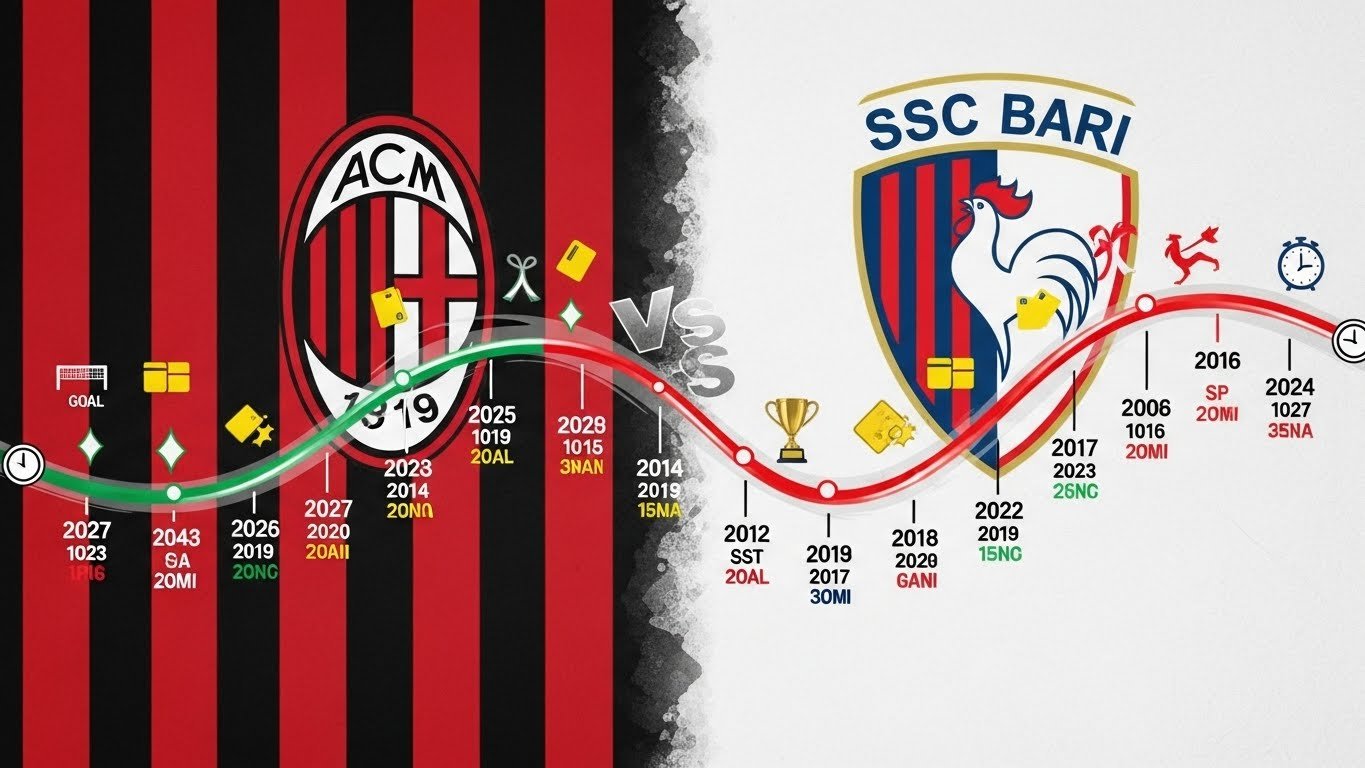
AC Milan vs SSC Bari Timeline: Complete Match History and Key Moments
-
 Blog8 months ago
Unlocking the Mystery: What is Zosqk and Why It Matters
-

 Blog8 months ago
Brandi Loge: Everything You Need to Know About the Rising Brand