
Business
Finding Calm Again: How to Choose the Right Path Forward with Anxiety


The good news is that anxiety doesn’t have to be a permanent fixture. With the right support and a personalized plan, most people find meaningful relief, often faster than they expect. The challenge lies in knowing where to start, since anxiety treatment isn’t one-size-fits-all. What calms one person’s nervous system might do little for another, which is why understanding the range of options available matters so much.
This post walks through the most effective approaches to managing anxiety today, from therapy and lifestyle changes to medication and holistic practices, so you can make an informed choice about what might work for you.
Why Anxiety Requires a Tailored Approach
Anxiety disorders vary widely in how they present. Generalized anxiety disorder, panic disorder, social anxiety, and specific phobias each carry their own patterns and triggers. Someone with panic disorder might need tools to manage sudden physical symptoms, while someone with social anxiety may benefit more from gradual exposure and confidence-building strategies.
Because of this variation, a thoughtful clinician will typically start with a comprehensive assessment before recommending a treatment path. This step matters. It ensures the plan addresses the root causes of anxiety rather than just masking the symptoms.
Exploring personalized Anxiety treatment options built around your specific symptoms and lifestyle can make the difference between short-term relief and long-term resilience. Rather than guessing which strategy to try first, working with an experienced provider means every recommendation is grounded in a clear understanding of what’s actually driving your anxiety.
Therapy: The Foundation of Long-Term Relief
Talk therapy remains one of the most well-supported treatments for anxiety, and for good reason. It gives people the tools to understand their thought patterns and change their relationship with fear and worry over time.
Cognitive Behavioral Therapy (CBT)
CBT helps people identify distorted thinking patterns, like catastrophizing or all-or-nothing thinking, and replace them with more balanced perspectives. It’s structured, goal-oriented, and often produces noticeable improvement within a matter of weeks.
Exposure Therapy
For phobias and panic-related anxiety, gradual exposure to feared situations can retrain the brain’s response over time. This approach is done carefully and at a pace that feels manageable, never overwhelming.
Acceptance and Commitment Therapy (ACT)
Rather than fighting anxious thoughts, ACT teaches people to accept them without letting them dictate behavior. This can be especially helpful for those who feel stuck in cycles of avoidance.
Medication: When and Why It Helps
For some people, therapy alone isn’t enough to manage symptoms, especially when anxiety is severe or interfering with daily functioning. Medication can help regulate the brain chemistry involved in anxiety responses, making it easier to engage fully in therapy and daily life.
Common options include SSRIs and SNRIs, which are typically used for long-term management, and fast-acting medications reserved for acute episodes. Choosing medication should always involve a conversation with a qualified provider who can weigh the benefits against any potential side effects and monitor progress along the way.
Medication works best when paired with other strategies rather than used in isolation. Think of it as one part of a broader plan, not a standalone fix.
Lifestyle Adjustments That Support Treatment
While therapy and medication address anxiety at a clinical level, daily habits play a supporting role that shouldn’t be underestimated.
- Regular movement: Exercise has been shown to reduce anxiety symptoms by releasing endorphins and lowering baseline stress hormones.
- Sleep hygiene: Poor sleep and anxiety often feed into each other, so improving sleep quality can ease anxious symptoms significantly.
- Reducing stimulants: Caffeine and other stimulants can heighten physical symptoms of anxiety, like a racing heart or restlessness.
- Mindfulness practices: Techniques like meditation and deep breathing help calm the nervous system in the moment and build resilience over time.
None of these replace professional treatment, but they create a stronger foundation for the work being done in therapy or through medication.
Holistic and Complementary Approaches
Many people find added relief through complementary practices like yoga, acupuncture, or nutritional counseling. While these shouldn’t replace evidence-based treatment, they can support overall well-being and reduce the physical toll anxiety takes on the body.
Some providers also incorporate biofeedback, which teaches people to recognize and control physiological responses like heart rate and muscle tension. This can be a valuable tool for those who experience anxiety as intense physical sensations.
Building a Plan That Actually Fits Your Life
The most effective anxiety treatment plans are rarely built from a single method. They combine therapy, lifestyle changes, and sometimes medication into an approach tailored to the individual’s symptoms, history, and goals.
This is where working with a provider who takes time to understand your unique situation becomes so valuable. A cookie-cutter plan might offer temporary relief, but a personalized one, adjusted over time based on what’s actually working, tends to produce results that last.
Taking the First Step Toward Relief
Living with anxiety can feel isolating, but it’s far more common, and far more treatable, than many people realize. Whether the right path involves therapy, medication, lifestyle changes, or some combination of all three, relief is possible with the right support system in place.
If anxiety has been affecting your daily life, reaching out to a mental health professional is a strong first step. A tailored assessment can help clarify what’s driving your symptoms and point you toward strategies that fit your specific needs, rather than a generic checklist.
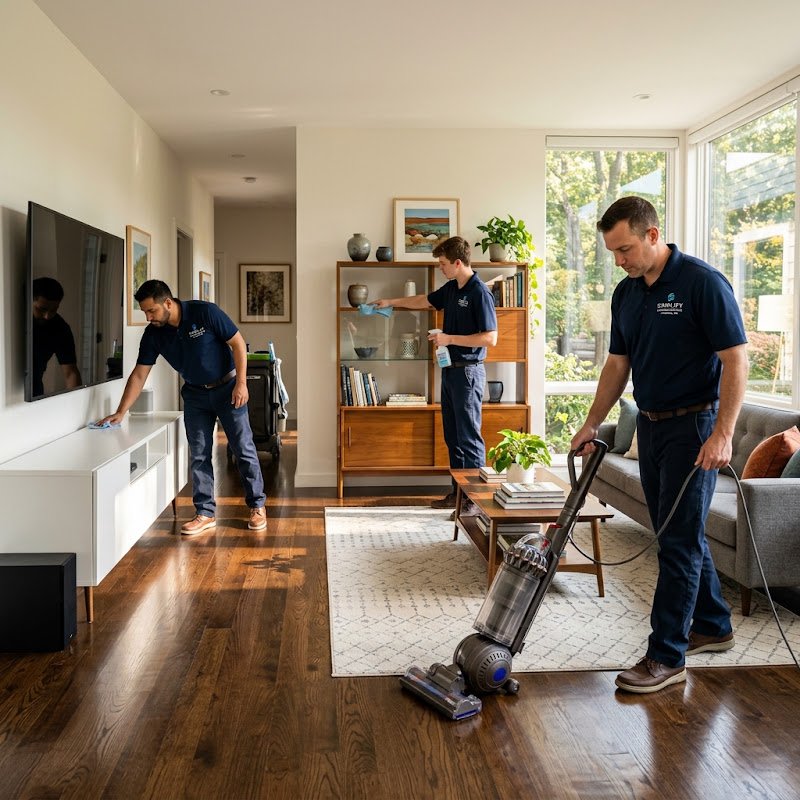
Between school drop-offs, weekend errands, and the never-ending demands of work, finding time to scrub floors or tackle a pile of laundry can feel impossible. Many Concord, MA residents are discovering that hiring help isn’t a luxury reserved for the wealthy — it’s a practical decision that gives families their time back.
A professional cleaning service has become a trusted name for homeowners across Concord who want a consistently clean home without sacrificing their evenings and weekends. Whether you’re managing a busy household, running a home-based business, or simply tired of spending your free time on chores, professional cleaning offers a solution that fits into real life.
This post breaks down why more Concord residents are turning to professional cleaning services, what to expect from a reputable company, and how to choose the right team for your home.
Why Concord Homeowners Are Rethinking Their Cleaning Routines
Concord is home to busy professionals, growing families, and retirees who all share one thing in common: their time is valuable. As schedules get tighter, cleaning often gets pushed to the bottom of the priority list.
A few common reasons Concord residents are making the switch to professional cleaning include:
- Limited free time. Between work and family commitments, there’s little energy left for deep cleaning.
- Higher standards for hygiene. Many households want a more thorough clean than a quick weekend tidy-up can provide.
- Special occasions and guests. Hosting family gatherings or holiday get-togethers often means wanting the home to look its best.
- Aging in place. Some homeowners need extra help keeping their space clean and safe as mobility becomes more limited.
Whatever the reason, the goal is the same: a comfortable, clean home without the added stress.
What Sets a Trusted Local Cleaning Company Apart
Not all cleaning companies operate the same way, and the difference shows in the results. An experienced cleaning team has built its reputation in Concord by focusing on reliability, attention to detail, and flexibility.
Customized Cleaning Plans
Every home has different needs. Some clients want a weekly deep clean, while others prefer bi-weekly maintenance or a one-time seasonal refresh. A professional cleaning service works with each client to build a plan that matches their schedule, budget, and priorities.
Trained and Trustworthy Staff
Letting someone into your home requires trust. A trusted local cleaning company carefully vets its team members, ensuring homeowners feel confident and comfortable each time a cleaner arrives.
Eco-Conscious Products
Many Concord families are mindful of the products used in their homes, especially with children or pets around. An experienced cleaning team offers cleaning solutions designed to be effective while minimizing harsh chemical exposure.
Consistent, Reliable Service
One of the biggest frustrations homeowners have with cleaning services is inconsistency. A professional cleaning service prioritizes dependable scheduling and consistent quality, so clients always know what to expect.
What to Expect From a Professional Cleaning Visit
If you’ve never hired a cleaning service before, it helps to know what a typical visit looks like. While specific tasks can vary based on your plan, most cleaning visits generally include:
- Dusting and wiping surfaces — countertops, shelves, and furniture.
- Vacuuming and mopping floors throughout the home.
- Cleaning bathrooms, including sinks, toilets, tubs, and mirrors.
- Kitchen cleaning, including countertops, sinks, and stovetops.
- Bedroom tidying, such as making beds and organizing surfaces.
Deep cleaning services may also include baseboards, window sills, and inside appliances, depending on the package selected.
How to Choose the Right Cleaning Service in Concord
With several cleaning companies operating in the Concord area, it’s worth knowing what separates a good choice from a great one. Consider the following when evaluating a provider:
- Experience in the local area. A company familiar with Concord homes understands common layouts, seasonal challenges, and client expectations.
- Transparent pricing. Look for clear, upfront pricing without hidden fees.
- Flexible scheduling options. Life changes, and your cleaning service should be able to adapt with you.
- Positive client feedback. Reviews and testimonials often reveal a lot about consistency and professionalism.
Enjoy more free time to spend with family instead of scrubbing floors and vacuuming every weekend by working with professional cleaners in Concord, MA who understand exactly what busy households need. Instead of spending your Saturday morning cleaning bathrooms, you could be relaxing, running errands without rushing home to tidy up, or simply enjoying a slower pace.
Making Room for What Matters Most
A clean home shouldn’t come at the cost of your free time or peace of mind. Professional cleaning services give Concord homeowners a practical way to maintain a comfortable, welcoming space without sacrificing evenings and weekends to chores.
If you’re ready to simplify your routine and enjoy a consistently clean home, a trusted local cleaning company is here to help. Reach out today to learn more about available cleaning plans and find the option that best fits your household’s needs.

Chicago’s mix of historic greystones, high-rise condos, and sprawling suburban homes each come with their own cleaning challenges. Older buildings often have intricate woodwork and radiators that collect dust in hard-to-reach corners, while high-rises deal with floor-to-ceiling windows that show every smudge. Whatever your living situation, a tailored cleaning approach makes all the difference, which is exactly why so many locals are turning to the professionals for help.
The Real Cost of DIY Cleaning
It’s easy to underestimate how much time cleaning actually takes. A thorough deep clean of a mid-sized home can take anywhere from four to six hours, and that’s before you factor in specialty tasks like scrubbing grout, washing windows, or deep-cleaning carpets. For most people, that’s an entire Saturday gone.
Hiring cleaning experts in Chicago gives you back those precious weekend hours, so you can spend more time with family, friends, or simply relaxing instead of scrubbing floors. Rather than sacrificing your day off, you can hand the mop and bucket to someone who does it faster, more thoroughly, and with professional-grade tools that most homeowners don’t have on hand.
What Makes Professional Cleaning Worth It
A clean home isn’t just about appearances. It directly affects your health, comfort, and even your stress levels. Here’s why so many Chicagoans are making the switch to professional cleaning services:
Healthier Indoor Air Quality
Dust, pet dander, and pollen build up quickly, especially in homes with carpets or forced-air heating systems. Regular deep cleaning reduces allergens circulating through your home, which can be a game-changer for anyone dealing with allergies or asthma.
Consistent, Reliable Results
Professional cleaners follow detailed checklists that cover every room, from baseboards to ceiling fans. That means no more wondering if you remembered to wipe down the kitchen backsplash or vacuum under the couch. Everything gets done, every time.
Time Freed Up for What Matters
Life in a city like Chicago moves fast. Between commuting, work, and family obligations, cleaning often gets pushed to the bottom of the priority list. Outsourcing this chore means you can finally check it off without lifting a finger.
Specialized Equipment and Techniques
Professional cleaning teams use industrial-grade vacuums, eco-friendly cleaning solutions, and proven techniques to tackle everything from stubborn carpet stains to hard water buildup on faucets. The results are noticeably better than what most store-bought products can achieve.
Tailored Cleaning Plans for Every Home
No two homes are the same, and neither are their cleaning needs. A young professional living in a downtown loft might only need a biweekly tidy-up, while a family with kids and pets could benefit from weekly deep cleans that tackle muddy paw prints and juice spills. Many Chicago cleaning companies offer flexible plans that adjust based on your lifestyle, home size, and specific requests.
Popular service options typically include:
- Standard cleaning: Dusting, vacuuming, mopping, and bathroom and kitchen sanitation for regular upkeep.
- Deep cleaning: A more intensive service covering baseboards, window sills, appliance exteriors, and other often-overlooked areas.
- Move-in/move-out cleaning: A thorough top-to-bottom clean to prepare a home for new occupants or leave it spotless for the next.
- Recurring maintenance plans: Weekly, biweekly, or monthly visits designed to keep your home consistently clean without the mental load of scheduling.
This flexibility means you’re never paying for services you don’t need, and you can scale up during busy seasons like the holidays when guests are coming to visit.
Why Local Expertise Matters
Chicago’s weather plays a huge role in how homes get dirty. Salt stains from icy sidewalks, mud tracked in from spring rain, and humidity in the summer that leaves bathrooms prone to mildew all require specific know-how. Local cleaning teams understand these seasonal patterns and adjust their techniques accordingly, whether that means using salt-neutralizing solutions on hardwood floors in the winter or focusing extra attention on humidity-prone areas during warmer months.
This kind of local insight is hard to replicate with a one-size-fits-all national chain. Choosing a team that’s deeply familiar with the city’s housing stock and climate quirks means your home gets the specific care it actually needs.
Trust and Safety Come First
Letting someone into your home is a big deal, and reputable cleaning companies know that trust has to be earned. Look for services that conduct background checks on their staff, carry proper insurance, and use vetted, trained cleaning professionals. Reading reviews and asking about a company’s hiring practices can go a long way toward feeling confident about who’s stepping through your front door.
Many companies also offer satisfaction guarantees, meaning if something doesn’t meet your expectations, they’ll come back and make it right at no extra charge. This kind of accountability is a strong signal that a company stands behind the quality of its work.
A Cleaner Home Starts With One Call
A spotless home shouldn’t come at the cost of your free time or your sanity. With the right cleaning partner, you get to enjoy a fresh, welcoming space without sacrificing your weekends or wearing yourself out after a long workweek. Whether you need a one-time deep clean before a big event or a recurring service that keeps your home consistently tidy, there’s a solution designed to fit your life.
If you’re ready to stop stressing over dust bunnies and start enjoying your free time again, it might be time to bring in some help. A little professional support can turn cleaning from a dreaded chore into one less thing on your to-do list.

The good news? ADHD is one of the most well-researched and treatable conditions in childhood mental health. With the right combination of professional support, structured routines, and family involvement, children with ADHD can flourish academically, socially, and emotionally.
This post walks you through what ADHD looks like in children, why early evaluation matters, and how the right treatment approach can transform your family’s daily life.
What Does ADHD Look Like in Children?
ADHD shows up differently in every child, but most symptoms fall into two categories: inattention and hyperactivity-impulsivity.
Children who struggle primarily with inattention might:
- Have trouble following multi-step instructions
- Frequently lose homework, toys, or personal items
- Appear to daydream or “zone out” during conversations
- Struggle to complete tasks that require sustained mental effort
Children who lean more toward hyperactivity and impulsivity might:
- Fidget constantly or have difficulty staying seated
- Interrupt conversations or blurt out answers
- Struggle to wait their turn in games or group activities
- Act without thinking through consequences
Many children display a mix of both patterns. It’s worth noting that occasional distraction or high energy doesn’t necessarily mean a child has ADHD. What sets ADHD apart is the consistency, intensity, and impact these behaviors have on a child’s daily functioning across multiple settings, like home, school, and social situations.
Why Early Evaluation Makes a Real Difference
Parents often wonder whether they should “wait and see” if their child grows out of certain behaviors. While every child develops at their own pace, delaying an evaluation can mean missing a critical window for support.
Children with undiagnosed ADHD frequently experience secondary struggles: declining self-esteem, strained friendships, and growing academic frustration. These challenges compound over time, making early support even more valuable.
A comprehensive evaluation typically involves input from parents, teachers, and sometimes the child themselves, alongside standardized assessments that measure attention, impulse control, and behavioral patterns. This thorough approach ensures that any diagnosis is accurate and that treatment recommendations are tailored to your child’s specific needs, rather than applying a one-size-fits-all solution.
What Effective ADHD Treatment Looks Like
Treatment for childhood ADHD isn’t about forcing a square peg into a round hole. It’s about equipping your child with tools that work with their brain, not against it.
Behavioral Therapy and Skill-Building
Many families see meaningful progress through behavioral therapy, which teaches children practical strategies for managing impulses, staying organized, and regulating emotions. Therapists often work directly with parents too, offering techniques to reinforce positive behavior at home and reduce daily friction.
Structured Routines and Environmental Support
Small changes at home can produce outsized results. Visual schedules, consistent routines, and clear, immediate feedback help children with ADHD understand expectations and feel more in control of their day.
Collaborative Support with Schools
Since children spend a significant portion of their day in the classroom, coordinating with teachers is often essential. Simple classroom accommodations, like preferential seating or extended time for assignments, can dramatically reduce academic stress.
Medication, When Appropriate
For some children, medication can play a valuable role in managing symptoms, particularly when combined with behavioral strategies. This decision is always personal and should involve careful discussion with a qualified provider who understands your child’s full picture.
Building a Support System That Actually Works
No single strategy works in isolation. The most successful outcomes happen when families, educators, and healthcare providers work as a team, sharing observations and adjusting strategies as the child grows.
Child ADHD Testing & Treatment offers families a reassuring starting point, giving parents clear answers and a customized plan built around their child’s unique strengths and challenges, rather than generic advice that doesn’t account for their specific situation.
For the best providers, this collaborative philosophy shapes every step of the process. From the initial evaluation through ongoing therapy sessions, the goal is always to help your child feel understood, supported, and capable, both today and as they continue to grow.
Helping Your Child Thrive Starts With One Step
Every child deserves the chance to feel confident, focused, and connected to the people around them. ADHD doesn’t have to define your child’s story; with the right support, it can simply become one chapter in a much bigger picture of growth and resilience.
If you’ve noticed persistent signs of inattention, impulsivity, or hyperactivity in your child, reaching out for a professional evaluation is a meaningful first step. Early action, paired with compassionate, individualized care, gives your child the strongest foundation for success at home, in school, and beyond.
-
 Technology8 months ago
China’s High-Speed Rail: A Transformational Journey Through Speed, Innovation, and National Progress
-

 Blog1 year ago
3 Amazing Multi-Purpose Phone Chargers You Need in 2026
-
 Business9 months ago
Top Reasons Stussy Clothing Dominates the Streetwear Scene
-
 Blog9 months ago
Lustmap24: Your Ultimate Guide to Adult Connections
-
 Technology9 months ago
Frehf Explained: Understanding Its Impact on Modern Culture
-
 Blog9 months ago
AC Milan vs SSC Bari Timeline: Complete Match History and Key Moments
-
 Blog8 months ago
Unlocking the Mystery: What is Zosqk and Why It Matters
-

 Blog8 months ago
Brandi Loge: Everything You Need to Know About the Rising Brand