
Health
MRI Scan Near Me: Why Access and Communication Matter More Than the Machine Itself

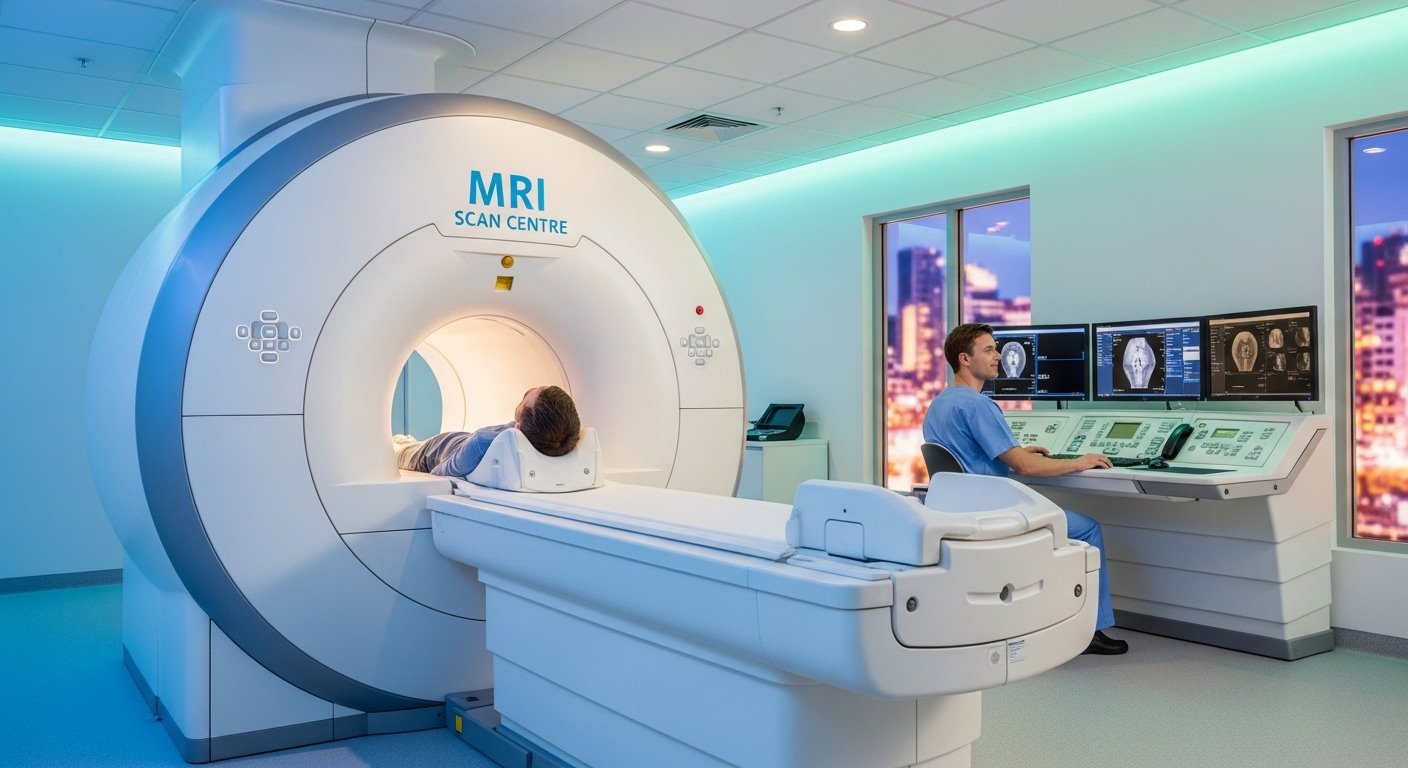
Most people don’t search “MRI scan near me“ out of curiosity. They search it after a GP appointment that didn’t go as planned. After weeks of back pain that won’t settle. After a sports injury. After a word like “investigate” gets mentioned.
It’s rarely casual. And in that moment, what people think they need is the closest scanner. Fast booking. Quick answer.
That makes sense. But once you step back a little, you realise something. An MRI isn’t just about the machine. It’s about access. Timing. Clarity. And how the whole experience is handled from referral to report. That’s where the difference really sits.
“Near” Isn’t Just Geography
When someone types MRI Scan Near Me, they usually mean physical proximity. Five minutes away. Easy parking. Not across the city. But “near” also means available. Responsive. Able to fit you in without weeks of waiting.
A clinic might technically be close to home but booked out for ten days. Another might be slightly further but able to schedule you tomorrow morning. Which one feels nearer in that situation?
Proximity is practical. Access is emotional. The best outcomes usually happen when both align.
The Referral Process Feels Bigger Than It Should
Most MRI bookings start with a referral. And for first-time patients, that piece of paper can feel oddly intimidating.
You read the clinical terms. You try not to Google too much. Then you search MRI Scan Near Me and hope the next step feels simple. This is where communication makes a difference.
A clear explanation of how to book. What documents are needed. Whether there are costs involved. Whether Medicare applies. These details matter more than glossy waiting rooms.
Confusion increases anxiety. Clarity reduces it. It’s that straightforward.
The Waiting Period Is Often The Hardest Part
Booking an MRI is one thing. Waiting for it is another. When people search “MRI scan near me,” they’re often hoping for speed because waiting leaves room for worry. Especially when pain or uncertainty is involved.
Good imaging providers understand that. They prioritise urgent referrals. They explain realistic timeframes. They avoid vague answers like “we’ll call you.”
Even a simple confirmation message helps. It gives shape to the process. It makes things feel in motion. And that counts for a lot.
What The Appointment Actually Feels Like
There’s a lot of mythology around MRI machines. Loud noises. Tight spaces. Long scans. Some of it is true. Some of it is exaggerated.
When you finally attend your MRI Scan Near Me appointment, what usually stands out isn’t the machine itself. It’s how you’re guided through it.
Clear instructions. Calm tone. Someone explaining the sounds before they start. Reassurance that movement needs to be minimal but breathing normally is fine.
These small interactions change the whole experience. Yes, the machine does the imaging. But people shape how it feels.
Comfort Isn’t Cosmetic
Patient comfort sometimes gets dismissed as secondary. The scan matters. The images matter. That’s the priority. Of course it is.
But comfort plays a role in image quality too. If someone is tense or shifting because they weren’t prepared properly, images can be affected.
Clinics that take time to explain positioning and what to expect during your MRI Scan Near Me appointment often produce smoother scans. Fewer repeats. Better cooperation. It’s not about luxury. It’s about practicality.
The Quiet Importance Of Reporting
Here’s something many patients don’t realise. The scan itself is only part of the process.
After your MRI scan near me, the images are reviewed by a radiologist. A detailed report is created. That report goes back to your referring doctor. Accuracy matters here. Clarity matters. Timeliness matters.
A fast scan without a timely report doesn’t help much. A detailed report delivered promptly allows your GP or specialist to move forward. This stage is invisible to patients, but it shapes what happens next.
Costs And Expectations Need Plain Language
Billing is where confusion tends to creep in. Some MRI services are bulk billed under specific criteria. Others involve gap payments. Some require particular referrals.
When people search “MRI scan near me,” they rarely understand these distinctions fully. That’s not their job.
Clear, upfront explanations make the process feel fair. Surprises at the counter rarely leave a good impression, even if the scan itself was excellent. Transparency builds trust. Especially in healthcare.
Not All “Near” Services Are Equal
Two clinics might both appear when you type “MRI Scan Near Me.” Same suburb. Similar pricing. The difference often comes down to workflow.
Do they answer calls promptly. Are appointment reminders clear. Is the environment calm. Are reports delivered when promised.
Technology has standardised imaging quality significantly. Human systems still vary. And those systems shape the experience just as much as the magnet strength of the scanner.
Why Communication Outlasts The Appointment
Most MRI appointments are over within an hour. Sometimes less.
But what lingers isn’t the hum of the machine. It’s how you were treated.
Were questions welcomed. Were instructions clear. Did you leave knowing when results would be ready.
When people recommend a clinic after searching “MRI scan near me,” they rarely discuss technical specifications. They talk about feeling looked after.
That’s the part that sticks.
Final Thought
Searching MRI Scan Near Me usually begins with uncertainty. A symptom. A referral. A need for answers.
While location matters, the real value lies in access, communication, and reliability that CareScan offers. In how clearly things are explained. In how smoothly the process moves from referral to report.
An MRI is a diagnostic tool. But the experience around it is human.
And when that human side is handled well, everything else tends to fall into place.

Most housing conversations don’t begin with, “We need to move.” They usually start somewhere else. Fatigue. A routine that keeps stretching but doesn’t quite break. A sense that what’s in place is working, technically, but only if everyone keeps holding their breath a little.
That’s often when NDIS accommodations in Melton drift into the discussion. Not as a firm idea, more like a suggestion that nobody rushes to grab. Melton is familiar to many people. Not too far. Not too different. That familiarity makes it easier to think about, even if no one’s ready to say yes to anything yet.
There’s usually a pause at this stage. And that pause matters.
Melton Changes the Feel of Daily Support
Location isn’t just geography. It sets the tone of daily life. Melton doesn’t move at the same pace as inner Melbourne, and it doesn’t pretend to. Things take a bit more planning. Travel matters. Familiar faces tend to show up again and again.
With NDIS Accommodations in Melton, that rhythm becomes part of the support experience. For some people, it’s grounding. Less noise. Fewer surprises. For others, it can feel limiting, especially if expectations were shaped somewhere busier.
Neither reaction is wrong. It’s just how place works its way into daily routines, quietly.
Housing and Support Get Tangled Up Easily
On paper, accommodation and support are separate things. In real life, they blur together quickly. People don’t live in funding categories. They live in spaces, with people, with habits that form whether anyone plans them or not.
This confusion shows up a lot when families first explore NDIS accommodations in Melton. Accommodation is about the building. Accessibility. Safety. Design. Support is about staff, routines, and assistance. When those boundaries aren’t clear, expectations slide without anyone noticing.
Most frustration doesn’t come from poor care. It comes from assumptions that were never spoken out loud.
The Move Is the Easy Part
Moving looks like an event. Boxes, keys, maybe a sense of relief that something big is done. But the move itself is often the smallest part of the transition.
For people settling into NDIS accommodation in Melton, the weeks and months that follow tend to carry more weight. New routines take time. New spaces feel unfamiliar even when they’re appropriate. Support relationships shift. Energy gets used in places people didn’t anticipate.
Accommodation that allows for that slow settling usually feels steadier than setups that expect comfort to arrive immediately.
When Everything Fits on Paper but Not in Practice
There’s a particular discomfort in saying a place doesn’t feel right when it meets all the requirements. It’s accessible. It’s safe. It’s compliant. And yet something doesn’t settle.
This comes up quietly with NDIS accommodations in Melton. Suitability is measurable. Comfort isn’t. Comfort shows up in small things. How someone moves through a room. How do they sleep? How tense or relaxed they seem at the end of an ordinary day.
Not every mismatch can be explained clearly, and that doesn’t make it less real.
Choice Exists Even When Options Feel Tight
Choice and control are core NDIS ideas, but housing is where those ideas can feel constrained. Availability shifts. Demand changes. Timing suddenly matters a lot.
When people look at NDIS accommodations in Melton, they often find themselves balancing what they hoped for with what’s realistically available now. That gap can feel frustrating. Over time, it can also clarify priorities. What matters most. What can bend? What really can’t.
Choice isn’t always about having many options. Sometimes it’s about making a careful decision within limits that already exist.
Community Isn’t an Extra; It’s Part of the Picture
Accommodation doesn’t stand alone. The surrounding area shapes daily life in ways that don’t show up in brochures. Familiar streets. Predictable routines. Local shops. Parks. Transport that either works or doesn’t.
With NDIS accommodations in Melton, community connection often becomes one of the quieter influences. For some people, the familiarity of the area lowers anxiety. For others, the slower pace gives routines space to settle.
These details don’t announce themselves. They accumulate over time.
When Something Needs to Change Without a Crisis
Not every accommodation arrangement ends because something goes wrong. Sometimes it just stops fitting. Needs shift. Circumstances change. What once worked starts to feel heavy.
People involved with NDIS Accommodations in Melton often hesitate to say this out loud. There’s worry about disruption. About starting again. About seeming ungrateful. Still, noticing a change early is usually gentler than pushing through until everything feels strained.
Adjustment is part of the system, even if it doesn’t feel that way when you’re in it.
Taking Time Is Still a Valid Choice
There’s quite a pressure to decide quickly. Funding timelines. Availability. The feeling that waiting might close doors. But speed doesn’t always help.
Choosing between NDIS accommodations in Melton from Matrix Health Care often benefits from a pause. From letting questions linger. From noticing how conversations feel, not just what’s being offered. From allowing uncertainty without trying to tidy it up straight away.
There aren’t perfect accommodation choices. Anyone suggesting that is smoothing things over. But there are arrangements that fit better at certain moments, and recognising that fit matters more than certainty.
Most people don’t remember the paperwork later. They remember whether the place felt steady, whether daily life felt manageable, whether it felt close enough to home to begin again. That memory tends to stay.
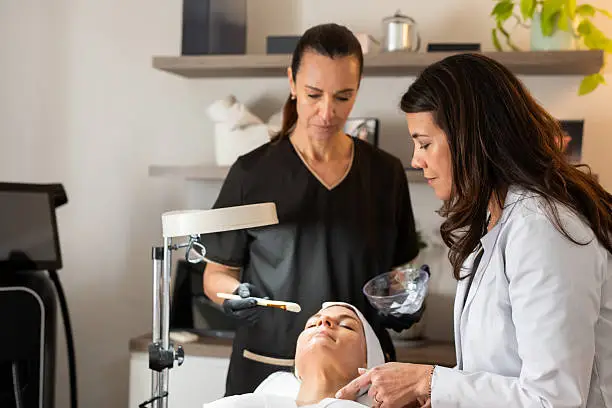
The Med spa in Largo is unique. Professionals mix a relaxing environment of a traditional spa with modern medical aesthetic treatments. It’s a non-surgical procedure where medical science meets self-care. A professional med spa helps smooth fine lines, refresh tired skin, and rejuvenate yourself after a long day.
Not all med spas in Largo, Florida, are the same. Some offer basic sessions, while others focus on specific health goals. In this post, we will explore everything you need to know about med spas in Largo, including treatments, prices, and tips. Let’s get started!
Common Med Spa Treatments in Largo, FL
Though med spa is a non-surgical method, it’s not a regular skin treatment. In Largo, each session is conducted and supervised by highly experienced, licensed medical practitioners. They can be doctors, nurse practitioners, or physician assistants. They listen to your goals, health issues, and medical conditions, providing a personalized med spa tailored to your unique skin. When you research med spas in Largo, you can typically find these services:
- Botox and dermal fillers for wrinkle reduction
- Laser hair removal and skin resurfacing
- Microneedling and PRP (Platelet-Rich Plasma) therapy
- Chemical peels for glowing, even skin
- Body contouring and fat reduction treatments
- Hydrafacials and other advanced skincare programs
What Happens During a Med Spa Consultation
The med spa process is simple and hassle-free. You find a reliable, expert med spa in Largo, like Bokhari Aesthetics, and book a free appointment. The licensed medical aesthetician discusses your goals, whether you want to reduce wrinkles, improve acne scars, or achieve a youthful glow.
The physician then assesses your skin type, lifestyle habits, and any severe medical conditions such as allergies. After completing a thorough evaluation, they customize a treatment plan for you.
Pricing Overview at Med Spa Largo
You may wonder: how much does a med spa in Largo cost? Pricing varies significantly depending on treatment type, health goal, and skin type. Also, popular and expert professionals charge higher prices than regular wellness centers. When you book your first session, this is the average price range you can expect in Largo.
- Botox: $12–$16 per unit
- Dermal Fillers: $500–$700 per syringe
- Chemical Peel: $150–$300 per session
- Microneedling: $200–$400
- Laser Treatments: $250–$600 per area
- Hydrafacial: $150–$250
- Body Contouring: $300–$800 per session
When you search for a local med spa in Largo, you can see that many clinics offer great deals or memberships on spa packages. Often, you can save up to 20%.
What to Expect After Your Treatment
A med spa doesn’t take too long to recover. You can attend your office the next day with minimal downtime. However, you might experience mild redness, slight swelling, or tenderness depending on your treatment type. Your physician will provide you with an aftercare guide. They might suggest avoiding sun exposure, makeup, or harsh exfoliants for a short period. We recommend drinking plenty of water, getting rest, and letting your skin heal naturally.
Expert Tips for a Great Med Spa Experience
- Don’t wear makeup when visiting a med spa.
- Stay hydrated. The more hydrated you are, the better your results will be.
- Avoid sun exposure. Especially before and after laser or chemical treatments.
- Follow post-care strictly. It determines 70% of your final results.
- Don’t expect instant results.
Final Thoughts
Wellness centers in Largo offer a variety of med spa therapies. Search for a reliable med spa with advanced equipment, ingredients, and expert physicians. Most importantly, check if they offer a personalized plan tailored to your needs. So, take your first step toward a fresher, more radiant you.

Nursing is a demanding yet rewarding profession. As aspiring nurses, you will encounter a plethora of information that can feel overwhelming at times. But don’t worry mastering the fundamentals is key to your success in this field. Understanding the core concepts not only prepares you for your career but also helps you excel in exams like the NCLEX.
rn fundamentals 2016 70 questions as essential knowledge every nursing student should grasp. This blog post dives into 70 vital questions covering everything from basic anatomy to effective patient care techniques. Whether you’re just starting or looking to reinforce your knowledge, these questions are designed to guide you through the intricacies of nursing education and ensure you’re well-equipped for both exams and real-life scenarios.
The Importance of Fundamentals in Nursing Education
Fundamentals in nursing education serve as the backbone for all advanced concepts. These foundational principles provide essential knowledge that nurses rely on daily. Understanding basic procedures, terminology, and patient care techniques is crucial. It gives students the confidence to handle various healthcare situations effectively.
Additionally, a solid grasp of fundamentals aids in critical thinking. Nurses often face complex decisions that require quick judgment based on their core training. Moreover, these basics ensure safety and quality care for patients. Without a firm foundation, errors can occur, impacting both patient outcomes and overall healthcare effectiveness. Mastering fundamental skills fosters professionalism. As future caregivers, embodying competence and compassion begins with understanding the essentials of nursing practice.
Understanding the National Council Licensure Examination (NCLEX)
The National Council Licensure Examination (NCLEX) is a pivotal step in every nursing student’s journey. It not only tests knowledge but also evaluates clinical judgment. This exam comes in two variations: the NCLEX-RN for registered nurses and the NCLEX-PN for practical nurses. Each version assesses essential competencies required to provide safe and effective care.
Understanding its structure is crucial. The NCLEX employs a Computerized Adaptive Testing format, meaning questions adapt based on your previous answers. This method ensures that the assessment accurately reflects your proficiency level. Content areas covered include safe and effective care, health promotion, and psychosocial integrity among others. Familiarity with these topics can significantly impact performance. Preparation strategies vary from practice exams to study groups. Many students find a mix of resources helpful in grasping complex concepts effectively, ensuring they are well-equipped on test day.
70 Essential Questions for Nursing Students to Know
As a nursing student, mastering key concepts is critical. The right questions can guide your study and prepare you for real-world scenarios. Consider areas like patient assessment, critical thinking, and ethical dilemmas. Questions about vital signs or pain management techniques will sharpen your skills.
Don’t overlook the importance of pharmacology. Familiarity with dosage calculations and side effects is vital for safe practice. Engage with topics surrounding health promotion and disease prevention as well. Understanding community resources enhances holistic care approaches.
Think about communication strategies in nursing. Effective interaction with patients fosters trust and improves outcomes. These essential questions not only aid in passing exams but also lay the groundwork for compassionate care throughout your career in nursing.
Reviewing Basic Anatomy and Physiology Concepts
A solid grasp of basic anatomy and physiology is crucial for nursing students. These concepts form the foundation for everything you’ll encounter in clinical settings. Understanding human body systems—such as circulatory, respiratory, and nervous—is essential. Each system plays a vital role in maintaining homeostasis, which is fundamental to patient care.
Familiarize yourself with anatomical terminology. This knowledge will enable effective communication with colleagues and provide clearer explanations to patients about their conditions. Don’t forget about the interrelationship between systems. For example, how the respiratory system impacts oxygen delivery in tissues can influence decisions on treatment plans.
Visual aids like diagrams or models can help reinforce learning. They make complex structures more relatable and easier to memorize during your studies. Engage actively with these concepts through practice questions or interactive activities to deepen your understanding further.
Mastering Medication Administration and Dosage Calculations
Mastering medication administration is crucial for nursing students. Accurate dosing ensures patient safety and effective treatment. Understanding the different routes of administration—oral, intravenous, intramuscular—is essential. Each method has its own protocols that must be followed meticulously.
Dosage calculations can seem daunting at first. Start with the basics: familiarize yourself with metric conversions and measurement units like milligrams and liters. Practice regularly to build confidence. Utilize tools such as dimensional analysis or ratio-proportion methods to simplify complex problems. These techniques help clarify how to convert dosages correctly without overwhelming anxiety.
Remember, double-check your calculations before preparing any medication for a patient. A small mistake can lead to significant consequences in clinical settings. Engaging with peers through study groups can also enhance understanding of this critical area in nursing fundamentals. Collaboration often leads to discovering new strategies that might work better for you personally.
Effective Communication and Patient Care Techniques
Effective communication is the backbone of quality patient care. It builds trust and fosters a therapeutic relationship between nurses and patients. Active listening plays a crucial role here. By paying attention to what patients say, you can better understand their concerns and feelings. This approach encourages openness, allowing for more honest discussions about health issues.
Nonverbal cues also matter significantly. A reassuring smile or appropriate eye contact can make all the difference in how comfortable a patient feels. These subtle gestures often convey empathy when words may fail. Providing clear instructions is essential too. Patients need to understand their treatment plans fully. Using simple language helps bridge any gaps in understanding.
Encouraging questions creates an engaging environment where patients feel valued. Empowering them through knowledge leads to better compliance with treatment protocols and improves overall outcomes in healthcare settings.
Preparing for the NCLEX: Tips and Strategies
Preparing for the NCLEX can feel daunting, but with the right strategies, you can approach it confidently. Start by creating a study schedule that breaks down your topics into manageable chunks. Consistency is key. Utilize various resources such as review books, online courses, and practice questions to reinforce your knowledge. Engaging with different formats keeps learning fresh and exciting.
Practice time management during mock exams. This will help you get used to pacing yourself under pressure a crucial skill on test day. Don’t overlook the importance of self-care. Ensure you’re getting enough sleep and taking breaks to recharge mentally.
Connecting with fellow nursing students or joining study groups can also provide support and motivation along the way. Sharing knowledge often leads to deeper understanding while fostering camaraderie in this challenging journey.
Conclusion
Understanding the fundamentals of nursing is crucial for every aspiring nurse. The foundational knowledge acquired during your educational journey not only prepares you for success in the classroom but also equips you to face real-world challenges in patient care. The National Council Licensure Examination (NCLEX) serves as a benchmark for assessing whether recent graduates possess the necessary skills to provide safe and effective nursing care. Familiarizing yourself with this exam will make your transition from student to licensed professional smoother.
The 70 essential questions outlined earlier are designed to reinforce your understanding of core concepts, ranging from anatomy and physiology to communication techniques. Mastering these areas can significantly enhance both your confidence and competence as a nurse. In addition, grasping medication administration protocols and dosage calculations cannot be overstated. These practical skills ensure that patients receive correct dosages while minimizing risks associated with medication errors.
Effective communication is equally important in cultivating trust between nurses and patients. By developing strong interpersonal skills, you’ll improve patient outcomes through better education and engagement.
As you prepare for the NCLEX, consider employing various study strategies like practice tests or group studies. Tailoring your approach based on what resonates most with you will maximize retention of critical information. Embracing these elements of nursing fundamentals sets a solid foundation for a rewarding career ahead. Your commitment to mastering essential knowledge now will serve you well throughout your professional journey, ultimately benefiting both yourself and those entrusted into your care.
-
 Technology8 months ago
China’s High-Speed Rail: A Transformational Journey Through Speed, Innovation, and National Progress
-

 Blog12 months ago
3 Amazing Multi-Purpose Phone Chargers You Need in 2026
-
 Business8 months ago
Top Reasons Stussy Clothing Dominates the Streetwear Scene
-
 Technology9 months ago
Frehf Explained: Understanding Its Impact on Modern Culture
-
 Blog9 months ago
AC Milan vs SSC Bari Timeline: Complete Match History and Key Moments
-
 Blog8 months ago
Unlocking the Mystery: What is Zosqk and Why It Matters
-
 Blog9 months ago
Lustmap24: Your Ultimate Guide to Adult Connections
-
 Blog9 months ago
Exploring Pantagonar: A Hidden Gem in the Heart of Nature